Tối Ưu Chuỗi Cung Ứng Trong Logistics Là Gì?
Tối ưu chuỗi cung ứng là việc cải thiện cách hàng hóa, service, thông tin, chi phí và cập nhật giao hàng di chuyển trong supply chain.
Trong logistics, tối ưu không nên chỉ được hiểu là tìm tuyến ngắn nhất hoặc giảm một khoản chi phí riêng lẻ. Nó nên được hiểu là làm cho luồng vận hành dễ kiểm soát hơn. Một shipment cần được lên kế hoạch. Một transport job cần được phân công. Một service task cần được theo dõi. Một cập nhật delivery cần đến khách hàng. Một chi phí cần được kiểm tra. Một invoice cần khớp với job. Một report cần thể hiện đúng kết quả kinh doanh.
Khi các workflow này rời rạc, công ty vẫn có thể di chuyển hàng hóa nhưng mất visibility. Operations biết trạng thái shipment. Transport biết tiến độ chuyến. Accounting biết chi phí. Management có thể chỉ thấy đủ bức tranh sau khi job đã tạo ra chậm trễ, chi phí phát sinh hoặc áp lực margin.
Cách hiểu đơn giản
Tối ưu chuỗi cung ứng giúp đội logistics kết nối dữ liệu vận hành và tài chính để kiểm soát shipment, transport job, service, chi phí và report tốt hơn.
Vì Sao Tối Ưu Chuỗi Cung Ứng Quan Trọng?
Tối ưu chuỗi cung ứng quan trọng vì hiệu suất logistics phụ thuộc vào các quyết định đã kết nối giữa nhiều đội.
Một supply chain có thể liên quan đến khách hàng, freight forwarder, nhà vận tải, tài xế, kho, vendor, đội service, accounting và management. Mỗi đội có thể phụ trách một phần workflow, nhưng khách hàng nhìn kết quả cuối cùng như một dịch vụ thống nhất.
Nếu dữ liệu bị rải rác, vấn đề nhỏ có thể trở thành chi phí lớn. Một shipment có thể bị chậm nhưng không được escalated sớm. Một transport job có thể tạo waiting time. Một chi phí service có thể được thêm muộn. Một cập nhật delivery có thể bị thiếu. Một customer invoice có thể được chuẩn bị trước khi toàn bộ chi phí vendor được kiểm tra. Một report có thể nhìn như hoàn tất trong khi dữ liệu gốc vẫn đang được sửa.
Kiểm soát supply chain tốt hơn giúp đội ngũ thấy các khoảng trống này sớm hơn. Nó cho đội COO góc nhìn rõ hơn về thực thi và cho đội CFO thêm bối cảnh khi kiểm tra chi phí, doanh thu, billing và lợi nhuận job.
Rủi ro kinh doanh chính
Rủi ro chính không chỉ là chậm vận hành. Rủi ro lớn hơn là ra quyết định supply chain từ dữ liệu shipment, transport, chi phí và report chưa đầy đủ.
Apollogix Hỗ Trợ Workflow Supply Chain Như Thế Nào?
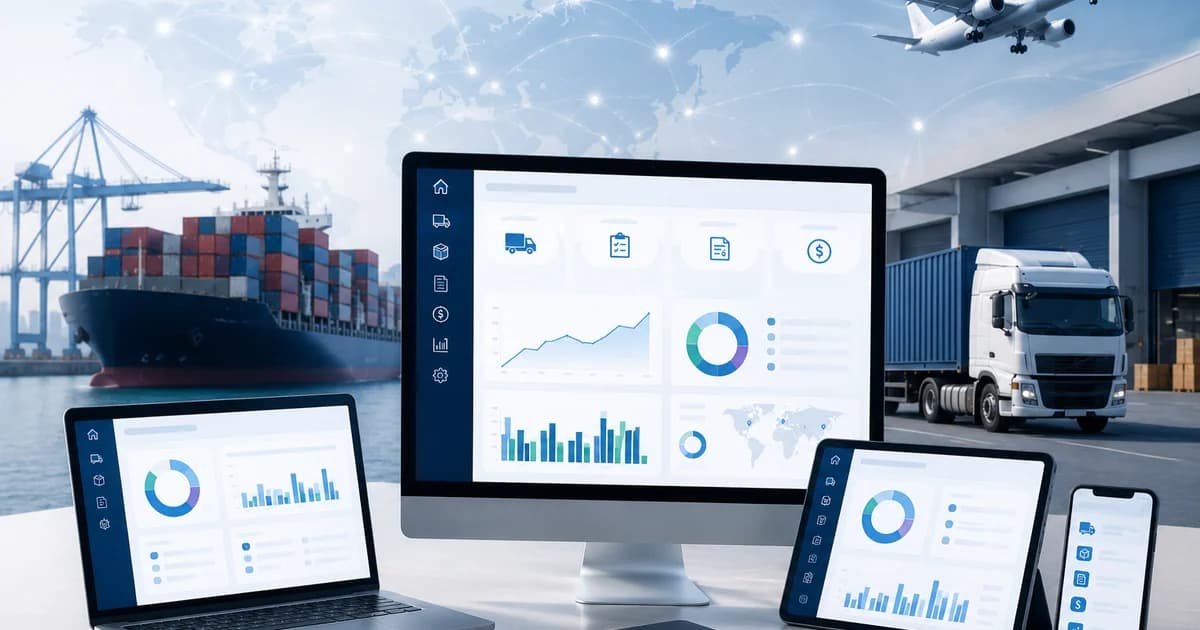
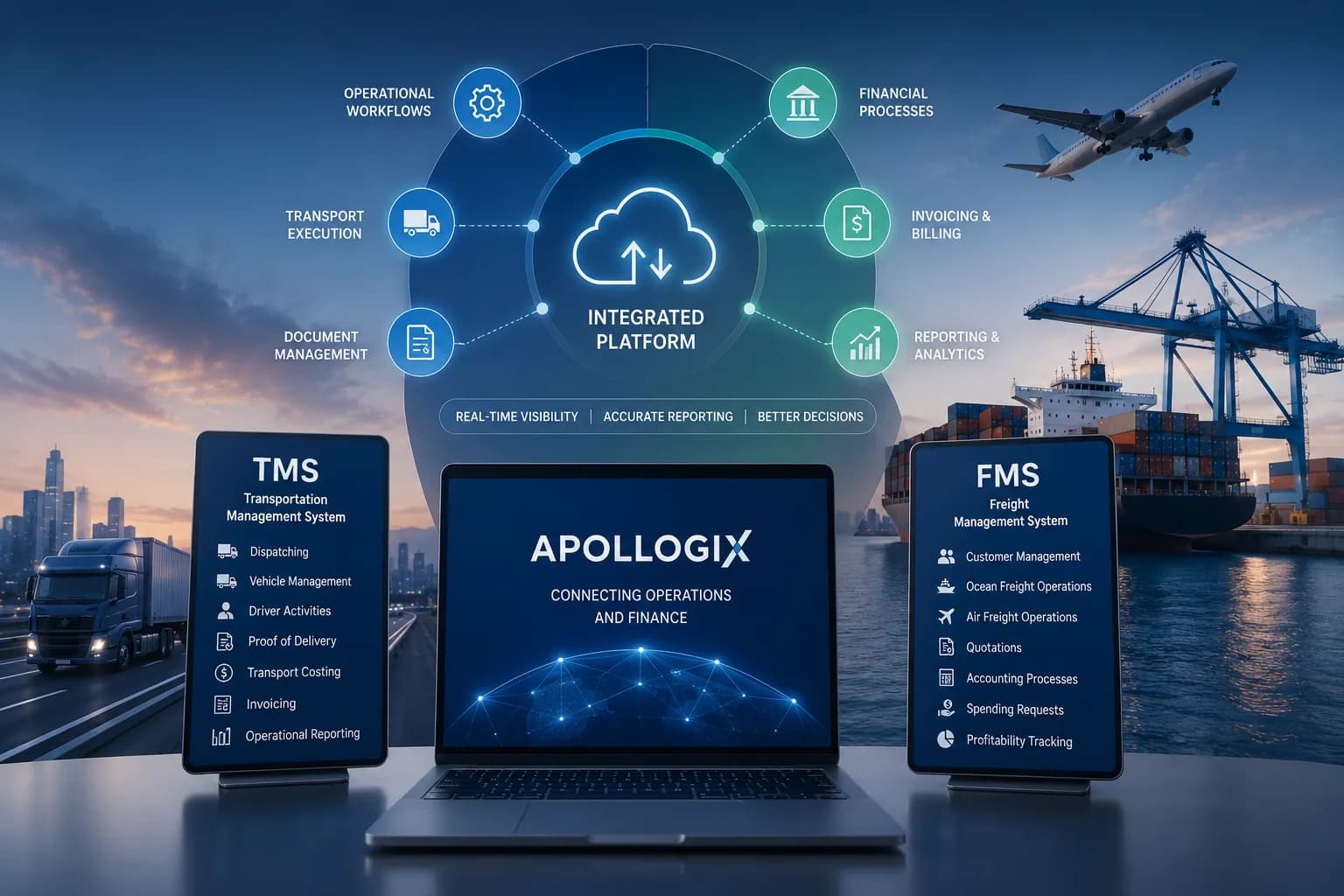
Apollogix hỗ trợ workflow supply chain bằng cách kết nối dữ liệu TMS và FMS giữa vận tải, freight forwarding, service, accounting, dashboard và report.
Apollogix TMS giúp doanh nghiệp vận tải quản lý transport job, operation planning, chuyến xe, tài xế, phương tiện, rate management, accounting, dashboard, report, administration và system settings. Cấu trúc này giúp đội vận tải kết nối trạng thái job, hoạt động chuyến, phân công tài xế, trạng thái phương tiện, waiting time, proof of delivery, chi phí và report.
Apollogix FMS giúp freight forwarder quản lý dữ liệu khách hàng, ocean freight, air freight, shipment, service, quotation, job order, pricing, accounting, spend request, dashboard, report, staff, system settings và administration. Cấu trúc này giúp đội forwarding kết nối tiến độ shipment, chi phí service, dữ liệu invoice, cập nhật khách hàng và lợi nhuận job.
Khi kết hợp lại, các workflow này giúp công ty logistics xem hiệu suất supply chain từ dữ liệu vận hành đã kết nối, thay vì phải dựng lại cập nhật thủ công.
H3: Giá trị xuất hiện ở đâu?
Giá trị xuất hiện khi dữ liệu shipment, transport job, delivery, service, chi phí, invoice và report được kết nối trong vận hành hằng ngày.
Doanh Nghiệp Nào Cần Tối Ưu Chuỗi Cung Ứng Nhất?
Doanh nghiệp quản lý nhiều shipment, transport job, service task, vendor, cam kết delivery, cập nhật khách hàng, chi phí, invoice và report là nhóm cần tối ưu chuỗi cung ứng nhất.
Nhu cầu trở nên rõ ràng khi management không thể trả lời nhanh các câu hỏi hằng ngày. Shipment nào đang active? Transport job nào đang chậm? Delivery nào đang chờ proof of delivery? Service nào còn mở? Chi phí nào chưa được kiểm tra? Invoice nào đang chờ? Job nào có rủi ro margin?
Freight forwarder cần kiểm soát supply chain tốt hơn khi quotation, booking, shipment, service, accounting và report data phải được kết nối. Doanh nghiệp vận tải cần nó khi dữ liệu job, trip, driver, equipment, waiting time, cost và invoice phải được xem cùng nhau. Công ty 3PL cần nó khi thực hiện service, cập nhật khách hàng và billing đi qua nhiều đội.
Với đội COO, tối ưu chuỗi cung ứng giúp giảm điểm mù trong thực thi. Với đội CFO, nó kết nối hoạt động logistics với doanh thu, chi phí, phải thu, phải trả và lợi nhuận job.