What Is a Customs Clearance Status Dashboard?
A Customs Clearance Status Dashboard is a reporting view that helps businesses monitor customs-related progress for import and export shipments.
For companies handling international trade, customs clearance is not only a document task. It affects delivery timing, customer updates, storage risk, transport planning, and billing. If the customs status is unclear, the operations team may not know whether a shipment can move, whether a document is missing, or whether a customer should be updated.
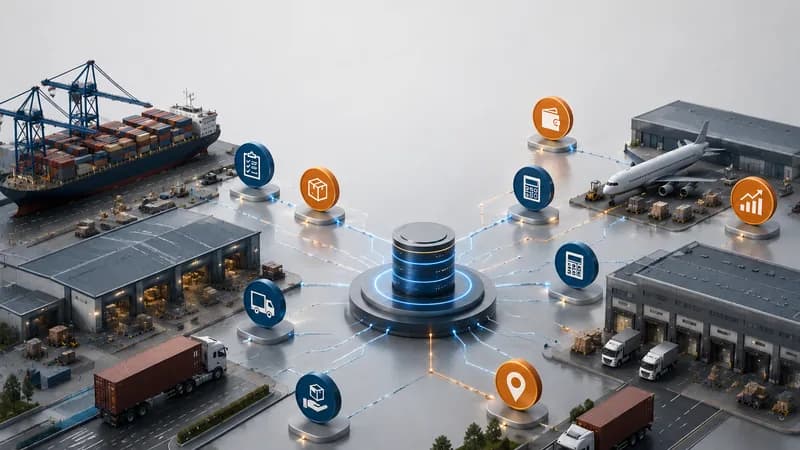
A dashboard helps bring these signals into one view. It can show shipment status, service workload, document progress, responsible team, delay risk, and related notifications. This gives management a clearer picture of which shipments are moving normally and which ones need attention.
Simple definition
A Customs Clearance Status Dashboard helps teams see where each shipment stands in the customs-related workflow before delays affect delivery or cost.
Why Businesses Need Customs Clearance Visibility
Businesses need customs clearance visibility because unclear status can delay delivery, increase operating cost, and weaken customer communication.
In freight forwarding operations, customs-related tasks may involve documents, service handling, shipment records, customer updates, transport coordination, and invoice data. If each team tracks these details separately, management may receive updates too late.
A shipment may be waiting for a document. A customs service may still be open. A transport plan may depend on clearance timing. A customer may ask for status before the operations team has a confirmed update. These gaps create pressure across Sales, Operations, Documentation, and Accounting.
Better dashboard visibility helps teams see exceptions earlier. It reduces the need to ask for repeated manual updates and gives management a clearer way to review workload, status, and risk.
The business value
The value is earlier control. Businesses can respond faster when customs-related delays, missing documents, or service exceptions appear.

How Apollogix Supports Customs Status Tracking
Apollogix supports customs status tracking by connecting shipment, service, document, accounting, notification, and reporting data in structured workflows.
In Apollogix FMS, freight forwarding teams can manage shipments, services, job orders, customer data, invoices, receivables, payables, and reports. Service records can include customs-related work, trucking, handling, and other logistics tasks. Shipment records can connect with customer, route, document, cost, and invoice data.
Dashboard and notification views help teams follow important operational events. Role-based access also helps Admin, Sales, Operations, Documentation, and Accounting teams see the information that fits their work scope.
This matters because customs clearance status should not sit in one person’s message thread. It should be part of the same operating workflow that connects shipment progress, service execution, cost control, and customer communication.
Where the value appears
The value appears when teams can review customs-related status, service work, cost items, and customer updates without rebuilding information manually.
Which Companies Need This Dashboard Most?
Companies that manage many import shipments, export shipments, customs services, documents, customer updates, and delivery deadlines need this dashboard most.
The need becomes clear when management cannot answer basic status questions quickly. Which shipments are waiting for clearance? Which customs services are still open? Which documents are missing? Which customers need updates? Which shipments may affect delivery timing or cost?
Freight forwarders need this dashboard when customs-related service data must connect with shipment, job order, invoice, and report data. Importers and exporters need it when delivery commitments depend on clearance progress. 3PL companies need it when customs service, transport execution, and customer updates involve several teams.
For COO teams, the dashboard helps reduce operational blind spots. For CFO teams, it helps connect clearance delays with cost, billing, and job profit impact.