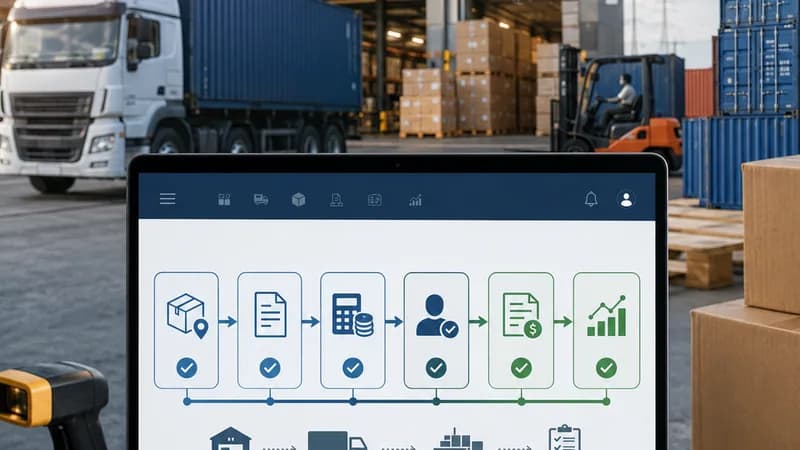
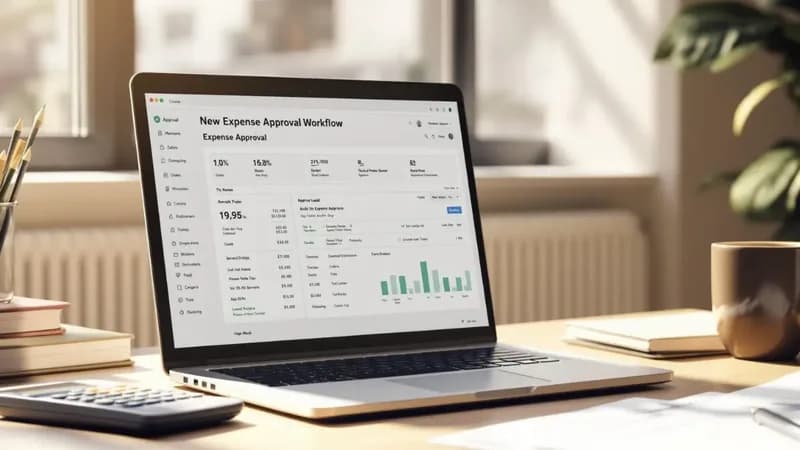
What Is Delivery Prediction Software?
Delivery Prediction Software is a system that helps logistics teams estimate when a shipment, container, or transport job is likely to reach its next milestone or final delivery point.
In logistics operations, delivery timing depends on many connected signals. These signals can include shipment status, transport job details, ready time, route, driver assignment, equipment status, trip progress, waiting time, proof of delivery, and customer update history.
The goal is not only to give a delivery time. The goal is to give management a clearer view of which jobs may arrive on time, which jobs need attention, and which customer updates should be sent before the customer asks.
For COO teams, delivery prediction supports service control. For CFO teams, it helps connect delivery delays with cost, billing, and job profit impact.
Simple definition
Delivery Prediction Software helps teams use operating data to estimate delivery timing and spot delay risk earlier.

Why Delivery Prediction Matters
Delivery prediction matters because late visibility can affect customer trust, transport planning, cost recovery, and service performance.
A delivery delay does not usually appear from one single event. It can come from a late pickup, unclear ready time, long waiting time, equipment issue, route change, missing document, or delayed customer update. If these signals are tracked separately, management may only see the delay after the customer complains.
Better delivery prediction helps teams review risk earlier. Operations can see which trip or shipment may need action. Sales can update the customer with better context. Accounting can understand whether the delay may create extra cost or billing changes. Management can review delivery performance across jobs, routes, customers, and teams.
This is why delivery prediction should not be treated as a standalone report. It should be connected with the operating workflow that creates the delivery data.
The business risk
The main risk is not only late delivery. The bigger risk is discovering the delay too late to respond with control.

How Apollogix Supports Delivery Visibility
Apollogix supports delivery visibility by connecting transport, shipment, trip, driver, equipment, service, dashboard, accounting, and report data in structured workflows.
In Apollogix TMS, transport teams can manage transport jobs, operation planning, trips, drivers, equipment, rate data, accounting, dashboard views, and reports. The system supports visibility across jobs, containers, trips, drivers, equipment, waiting time, trip summary, proof of delivery, and operational notifications.
In Apollogix FMS, freight forwarding teams can manage shipments, bookings, job orders, services, customer data, accounting, and reports. Shipment data can connect with service tasks, cost records, invoice data, and customer-related updates.
This connected data layer gives delivery prediction a stronger foundation. When job, trip, shipment, service, and report data are managed together, teams can review delivery timing with clearer context.
Where the value appears
The value appears when delivery timing is reviewed with job status, trip progress, shipment records, service tasks, and cost data.
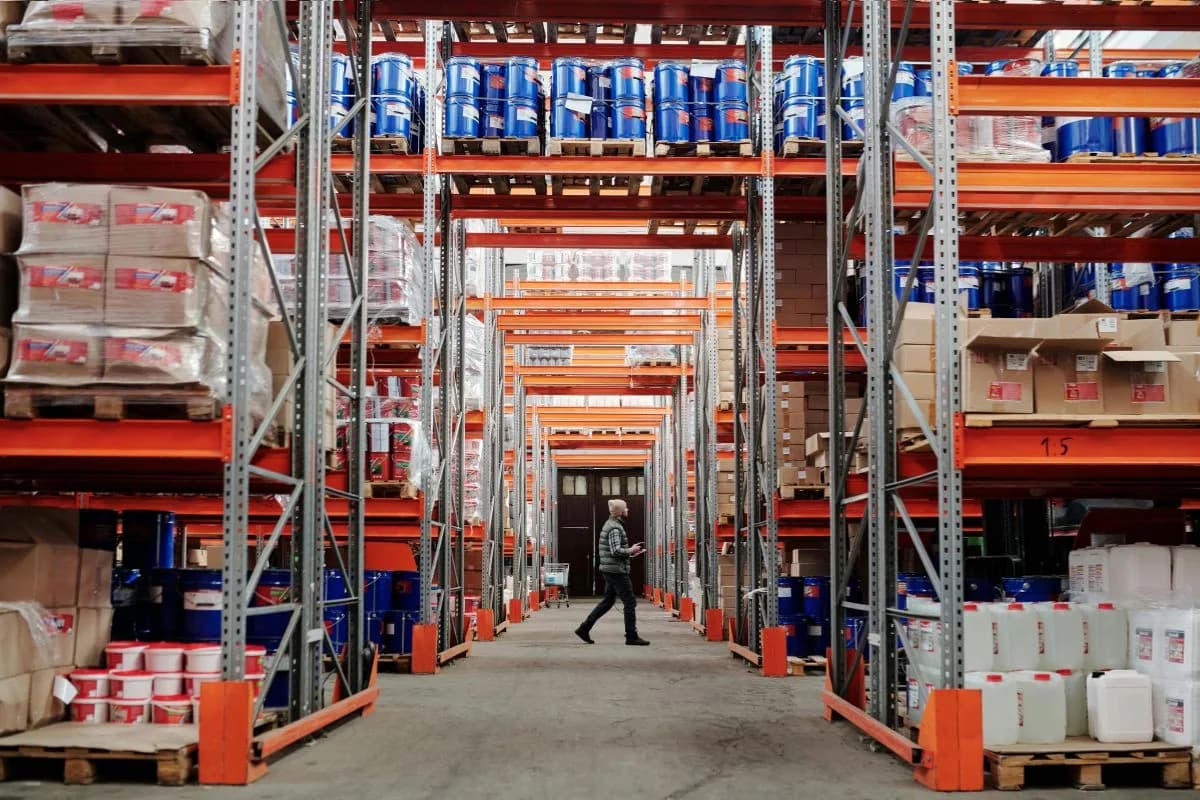
Which Companies Need Delivery Prediction Most?
Companies that manage many shipments, transport jobs, containers, routes, drivers, customer updates, and delivery commitments need Delivery Prediction Software most.
The need becomes clear when management cannot answer delivery questions quickly. Which deliveries may be late? Which trips need attention? Which customers need updates? Which routes often create delays? Which jobs may create extra cost because delivery timing changed?
Transport companies need delivery prediction when trips, drivers, equipment, and proof of delivery must be reviewed together. Freight forwarders need it when shipment, service, booking, and customer update data must stay connected. 3PL companies need it when delivery status and billing events involve several teams.
For COO teams, delivery prediction helps reduce blind spots in service execution. For CFO teams, it helps connect delivery performance with cost, revenue, and job margin.