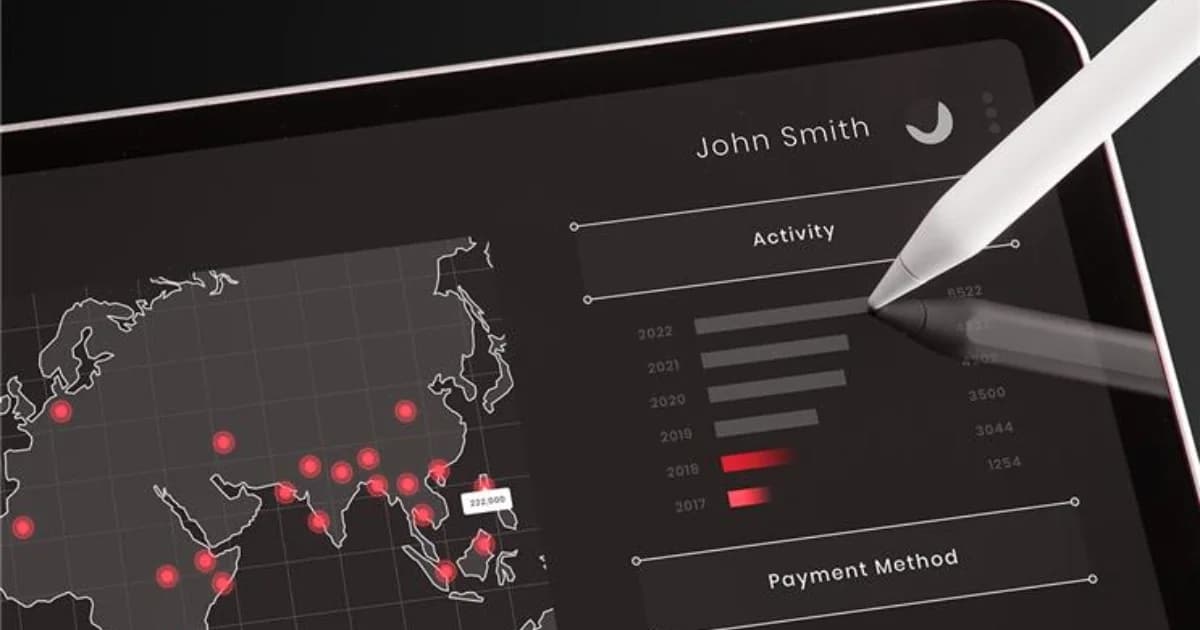
What Is a Customs Clearance Status Dashboard Solution?
A customs clearance status dashboard solution is a reporting and monitoring workflow that helps businesses track the customs clearance progress of import and export shipments.
The keyword customs clearance status dashboard solution refers to a dashboard solution that helps logistics teams see shipment status, customs document progress, clearance milestones, pending actions, exceptions, delivery impact, cost risk, customer update status, and reporting.
For import-export businesses, freight forwarders, 3PL providers, and logistics teams, customs clearance is not only a document step. It can affect shipment release, delivery planning, customer communication, storage cost, demurrage risk, invoice readiness, and service performance.
Why Customs Clearance Needs a Dashboard
Customs clearance needs a dashboard because one shipment may involve many documents, parties, status updates, and follow-up steps.
A shipment may be waiting for documents. A declaration may need correction. A customer may need to provide additional information. A container may be waiting at port. A transport team may be waiting for release confirmation. Finance may need to check whether extra cost is being created.
If these updates are handled only through email, chat, or spreadsheets, the team may not see the issue early enough.
Why Customs Clearance Visibility Matters
Customs clearance visibility matters because unclear clearance status can delay delivery, increase cost, and affect customer trust.
When the team does not know where a shipment is in the clearance process, customer service cannot update customers clearly. Operations may not know when to arrange transport. Finance may not know whether storage, waiting time, demurrage, detention, or additional service cost is being created. Management may only see the issue after the delay has already affected service quality.
Common Problems Without a Customs Clearance Dashboard
The first problem is unclear shipment status. Teams may know that a shipment has arrived, but not whether customs clearance is pending, in progress, delayed, released, or waiting for documents.
The second problem is repeated follow-up. Customer service may ask operations, operations may ask documentation, documentation may ask the customer, and transport may wait for the release update.
The third problem is late exception control. Missing documents, incorrect data, delayed customer response, pending declaration, inspection request, customs hold, or other clearance issues may not appear early enough.
The fourth problem is cost exposure. Storage charge, waiting time, demurrage, detention, trucking delay, or extra service cost may appear if the issue is not handled quickly.
The fifth problem is manual reporting. If clearance reports are prepared manually, management may not see repeated delay patterns by customer, shipment type, port, document type, or service team.
What Management Needs to See
Management needs to see shipment reference, customer, import or export status, document status, customs clearance stage, exception reason, responsible team, estimated release time, delivery impact, cost impact, customer update status, and report exceptions.
This helps COOs control service execution and helps CFOs understand cost risk, billing delay, and margin impact earlier.
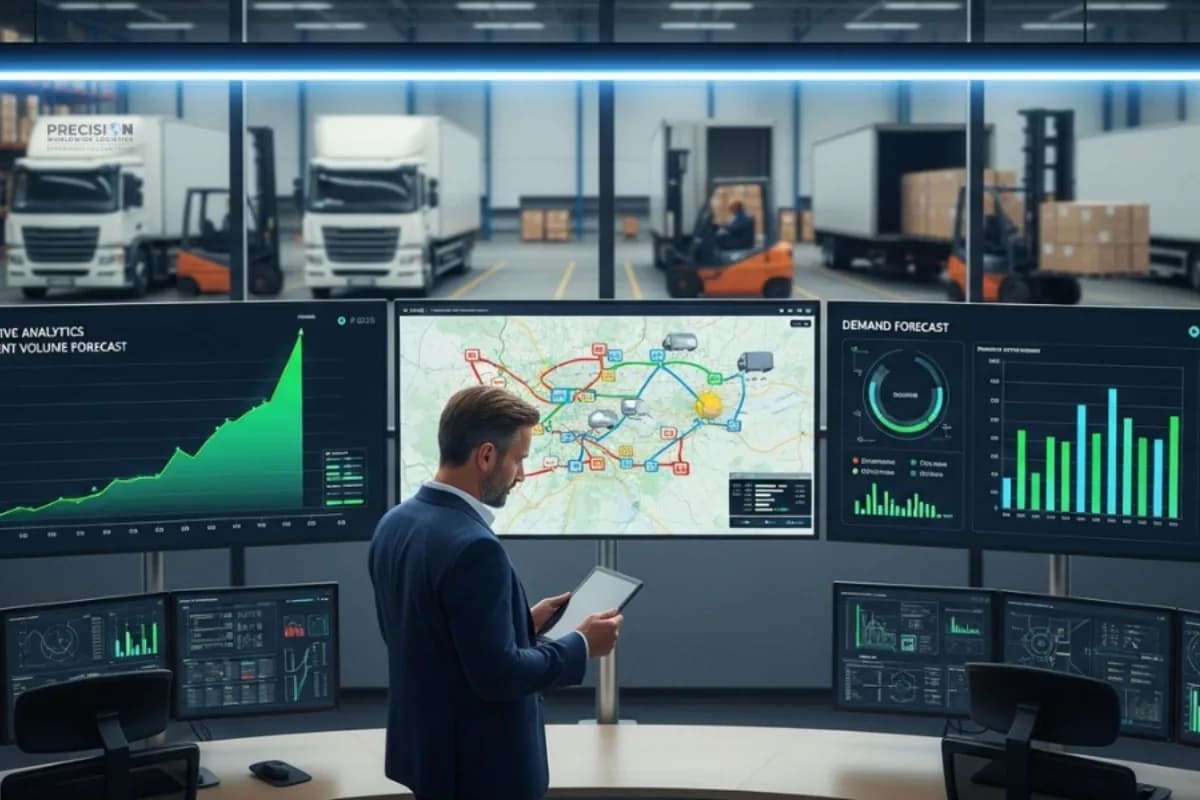
What Should a Customs Clearance Status Dashboard Show?
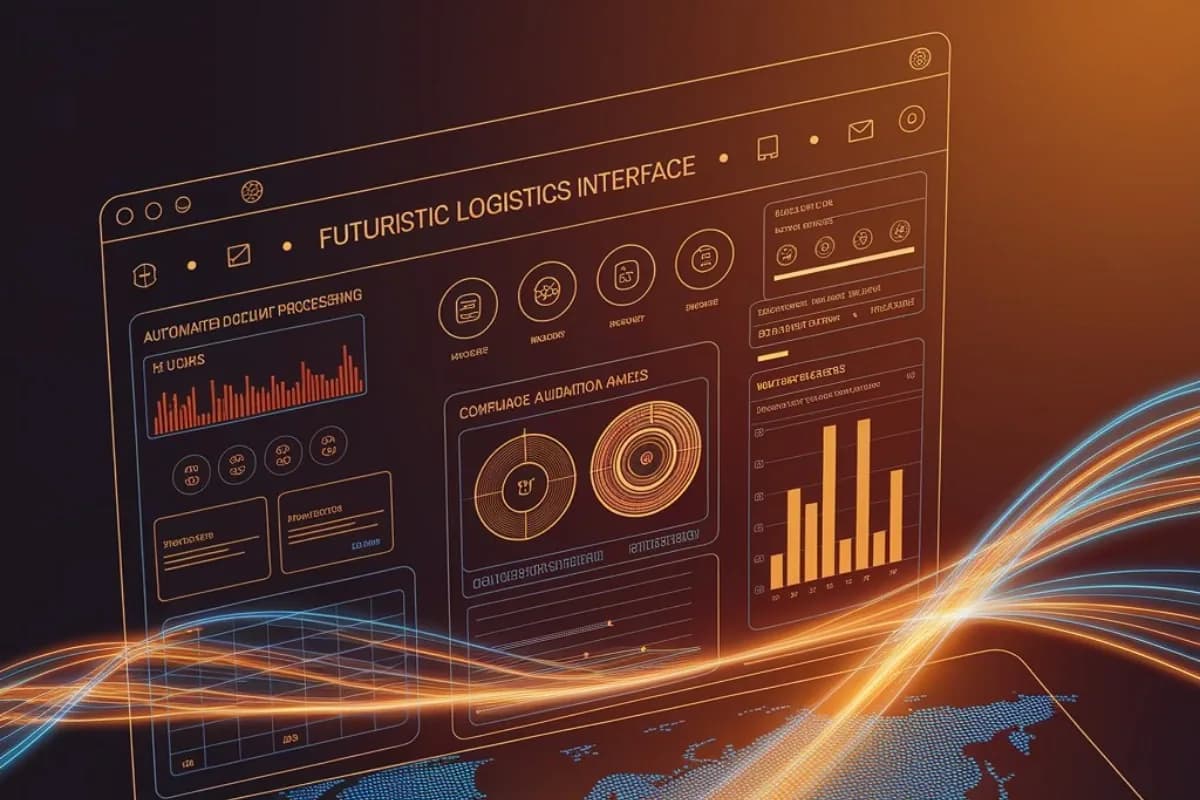
A customs clearance status dashboard should show shipment visibility, document status, clearance progress, exception tracking, delivery impact, cost signal, invoice readiness, customer update status, and reporting.
The dashboard should help the team answer one question: which customs clearance case needs action now?
Shipment and Clearance Status
Shipment and clearance status helps teams know which shipments are pending, in progress, delayed, released, delivered, or waiting for customer action.
This may include shipment reference, customer name, import or export type, port, container number, customs status, document status, expected release time, and delivery plan.
When this information is visible, operations can manage the next step faster.
Document and Exception Tracking
Document and exception tracking helps teams identify what is blocking customs clearance.
The issue may be a missing document, incorrect information, delayed customer response, pending declaration, inspection request, customs hold, or another operational exception.
When the reason is visible, the team can act more quickly and communicate more clearly with customers.
Delivery and Transport Impact
Customs clearance status should connect with delivery and transport planning.
If a shipment is not released, transport may need to be rescheduled. If the container is waiting too long, demurrage or detention risk may increase. If the release is confirmed, the transport team may need to arrange pickup or delivery quickly.
A dashboard helps operations connect customs clearance with transport execution.
Cost, Invoice, and Reporting Impact
Customs clearance delays can affect cost and invoice readiness.
Extra storage, waiting time, document correction, additional service, or transport rescheduling may create cost impact. If the job cost is not updated, customer billing or margin review may be delayed.
A useful dashboard should help finance and management see whether clearance issues are creating financial risk.
How Apollogix Supports Customs Clearance Status Workflows
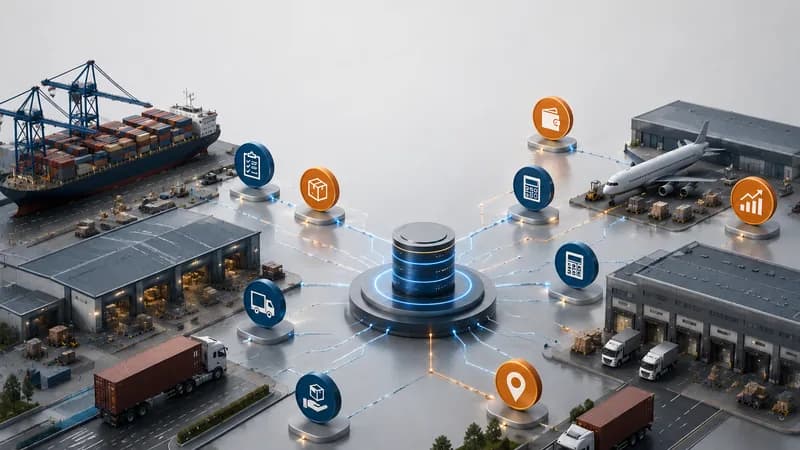
Apollogix supports customs clearance status workflows by connecting shipment, service task, document follow-up, job order, accounting, notification, dashboard, and reporting through FMS.
FMS means Freight Management System. In Apollogix FMS, freight forwarding teams can manage shipment, ocean freight, air freight, service task, quotation, booking, job order, accounting, spend money request, notification, report, user permission, and system settings.
Apollogix TMS can also support the transport side when a clearance process affects trucking, container movement, trip planning, driver allocation, waiting time, proof of delivery, accounting, dashboard, and transport reports.
How This Helps Operations
Operations teams can review customs clearance status together with shipment progress, service tasks, document follow-up, customer action, and pending exceptions.
This helps the team identify which shipment needs attention before the delay affects delivery.
How This Helps Customer Service
Customer service teams can update customers with clearer information.
If customs clearance is delayed, the team can explain the reason. If documents are missing, the team can request the right item. If release is expected, the team can communicate the next step with better context.
How This Helps CFOs and COOs
COOs can use dashboard data to review clearance delays, service bottlenecks, customer response delays, document issues, and delivery impact.
CFOs can use dashboard data to review storage cost, waiting time, unbilled charges, invoice readiness, payment status, and margin signals.
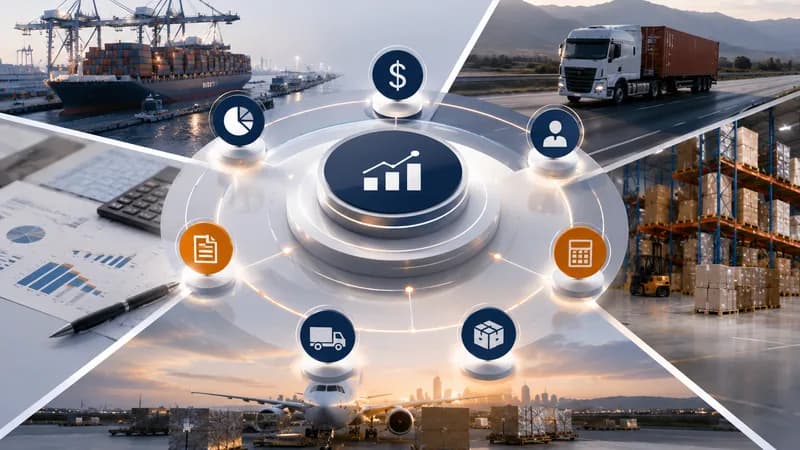
When customs clearance status is connected with shipment, transport, and accounting workflows, management can see both the service issue and the financial impact.

Which Businesses Need This Dashboard Solution Most?
Businesses that manage import-export shipments need a customs clearance status dashboard solution most.
This includes freight forwarders, import-export companies, 3PL providers, customs service providers, manufacturers, distributors, and logistics teams that manage many shipments, documents, customers, vendors, and reports.
When the Need Becomes Clear
The need becomes clear when the team cannot answer customs status questions without checking manually.
If customer service asks operations, operations asks documentation, documentation asks the customer, transport waits for release, and management waits for manual reports, the business already has visibility gaps.
A customs clearance dashboard helps reduce these gaps by connecting shipment, document, exception, transport, cost, invoice, and reporting data.
The Business Benefit
A customs clearance status dashboard solution helps businesses improve shipment visibility, reduce repeated follow-up, manage clearance exceptions earlier, update customers faster, control cost risk, and create clearer reports.
It helps the business move from reactive customs follow-up to proactive clearance control.