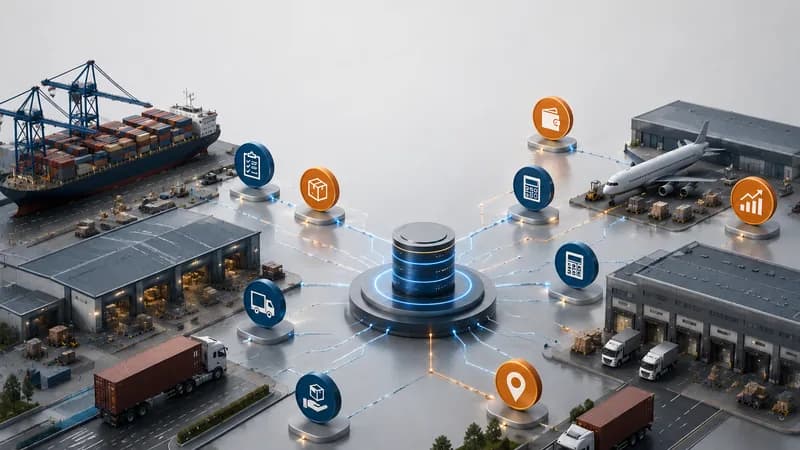
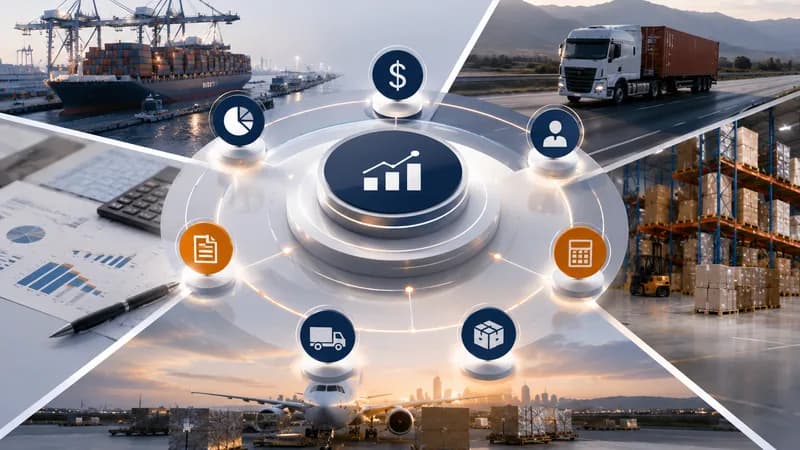
What Is a Logistics Dashboard for Companies?
A Logistics Dashboard for Companies is a reporting and visibility view that helps management monitor daily logistics activity from connected operational data.
For logistics companies, dashboard data may come from many workflows. A transport team may need to see jobs, containers, trips, drivers, equipment, waiting time, proof of delivery, and demurrage risk. A freight forwarding team may need to see shipments, job orders, services, notifications, accounting status, and report output.
The dashboard is useful because it gives management a faster view of what needs attention. Instead of asking each team for updates, managers can review key operating signals from one view. This helps them understand workload, delay risk, service progress, delivery status, and financial impact.
A dashboard should not only show numbers. It should help the company understand which shipment, job, trip, service, customer, or department needs action.
Simple definition
A Logistics Dashboard helps companies turn shipment, transport, service, delivery, and reporting data into a clearer management view.
Why Logistics Companies Need Dashboard Visibility
Logistics companies need dashboard visibility because daily operations change quickly across shipments, trips, services, customers, and teams.
A logistics company may manage many moving parts at the same time. One shipment may be waiting for service confirmation. One transport job may be delayed. One driver may need reassignment. One container may approach demurrage risk. One service may still be pending. One customer update may be missing.
If these signals stay in separate files, messages, or reports, management may see the issue too late. The company may deliver late, miss a billing item, lose time checking status, or make decisions from incomplete data.
Dashboard visibility reduces this problem by making operating signals easier to review. Operations can see what is active. Sales can understand customer-related status. Accounting can review data that affects billing or cost. Management can see workload and exceptions before they become bigger issues.
The business risk
The main risk is delayed visibility. When managers see exceptions too late, both service control and cost control become harder.
How Apollogix Supports Logistics Dashboard Workflows
Apollogix supports logistics dashboard workflows by connecting TMS and FMS operating data with reporting and notification views.
In Apollogix TMS, dashboard views help transport teams monitor jobs, containers, trips, drivers, and equipment by status. The dashboard also supports waiting time, trip summary, container demurrage summary, proof of delivery, and notifications from related parties. This gives management a central view for daily transport coordination.
In Apollogix FMS, dashboard views help freight forwarding teams review shipment volume by All, Import, and Export. It can show workload by transport mode, including Ocean, Air, and Express. It also supports dashboard views for service volume, job order status, real-time notifications, direct navigation from notification to related screens, and role-based dashboard access.
Together, these views help logistics companies connect execution data with report output.
Where the value appears
The value appears when dashboard data connects shipment status, transport activity, service workload, notification, accounting context, and report output.
Which Companies Need a Logistics Dashboard Most?
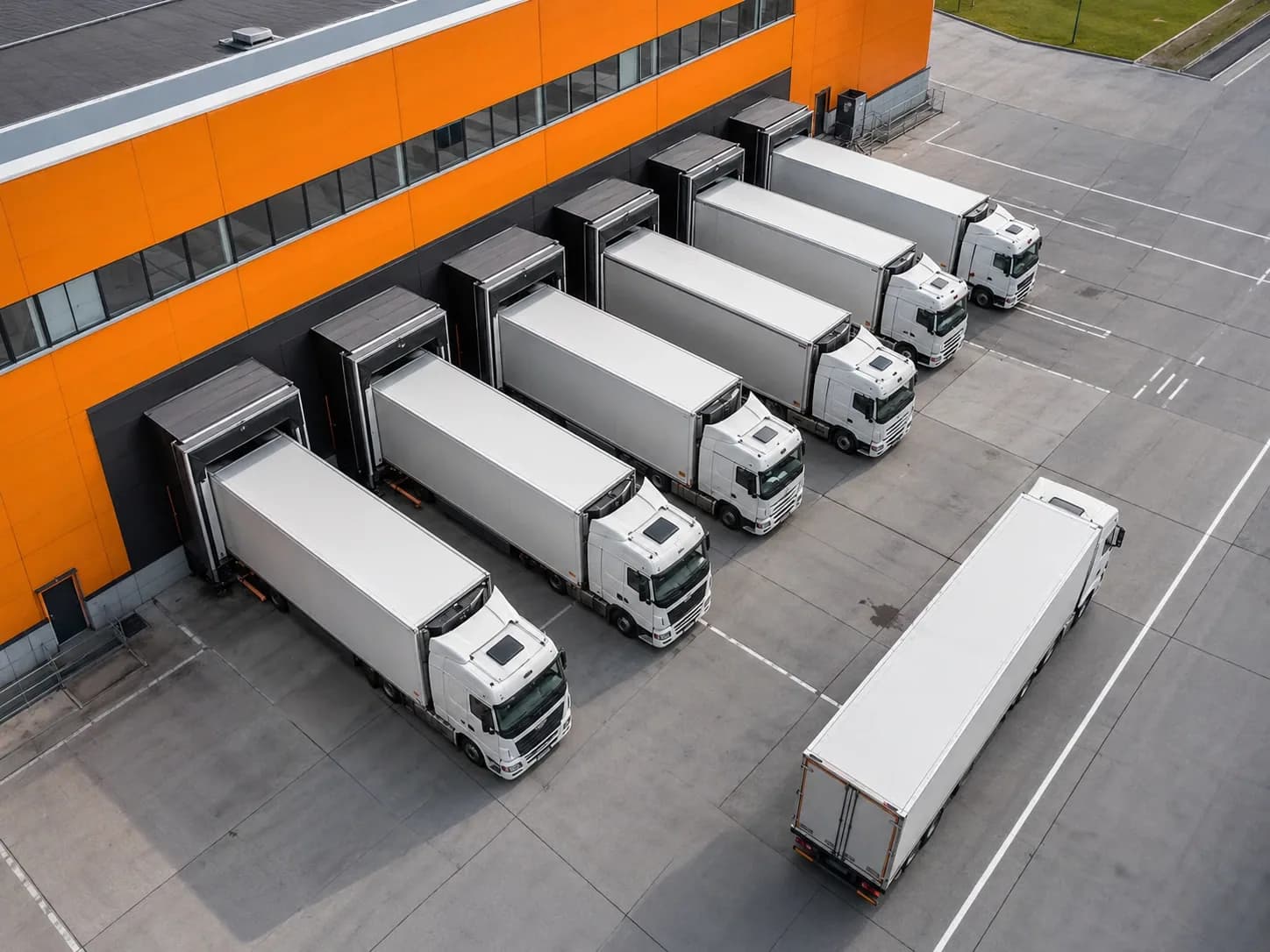
Companies that manage many shipments, transport jobs, containers, trips, services, delivery updates, customer requests, and reports need a Logistics Dashboard most.
The need becomes clear when management cannot answer daily questions quickly. Which shipments are active? Which transport jobs are delayed? Which services are still open? Which containers may create demurrage risk? Which proof of delivery records need review? Which customer updates are missing? Which reports show rising workload?
Freight forwarders need this dashboard when shipment, job order, service, accounting, and report data must stay connected. Transport companies need it when job, trip, driver, equipment, waiting time, delivery proof, and demurrage signals must be reviewed together. 3PL companies need it when service execution and delivery updates involve several teams.
For COO teams, dashboard visibility reduces blind spots in daily execution. For CFO teams, it connects operating events with billing, cost, and job profit review.
H3: Key Takeaway