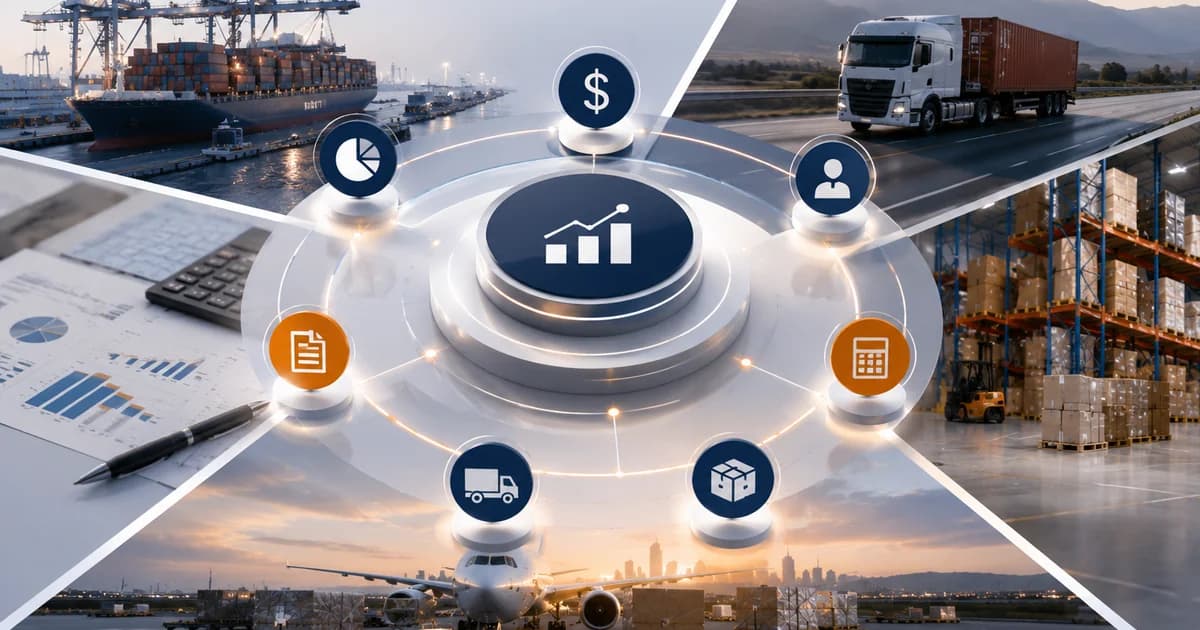
What Is Freight Forwarding SME Operation Automation?
Freight Forwarding SME Operation Automation is the use of structured system workflows to help small and medium freight forwarders reduce repeated manual work across daily operations.
For SME forwarders, growth often creates more operational pressure. More customers mean more quotations. More quotations become more job orders. More job orders create more shipments, services, costs, invoices, payment requests, and reports.
If these steps are managed through separate files, messages, and manual updates, the team may become busy without gaining better control. The same customer data may be entered many times. Service costs may be missed. Accounting may wait for Operations to confirm cost details. Management may not see job profit until late in the process.
Automation helps reduce these gaps by connecting the workflow from customer request to shipment, service, invoice, and report.
Simple definition
Freight Forwarding SME Operation Automation helps SME forwarders reduce repeated work and keep shipment, service, cost, invoice, and report data connected.
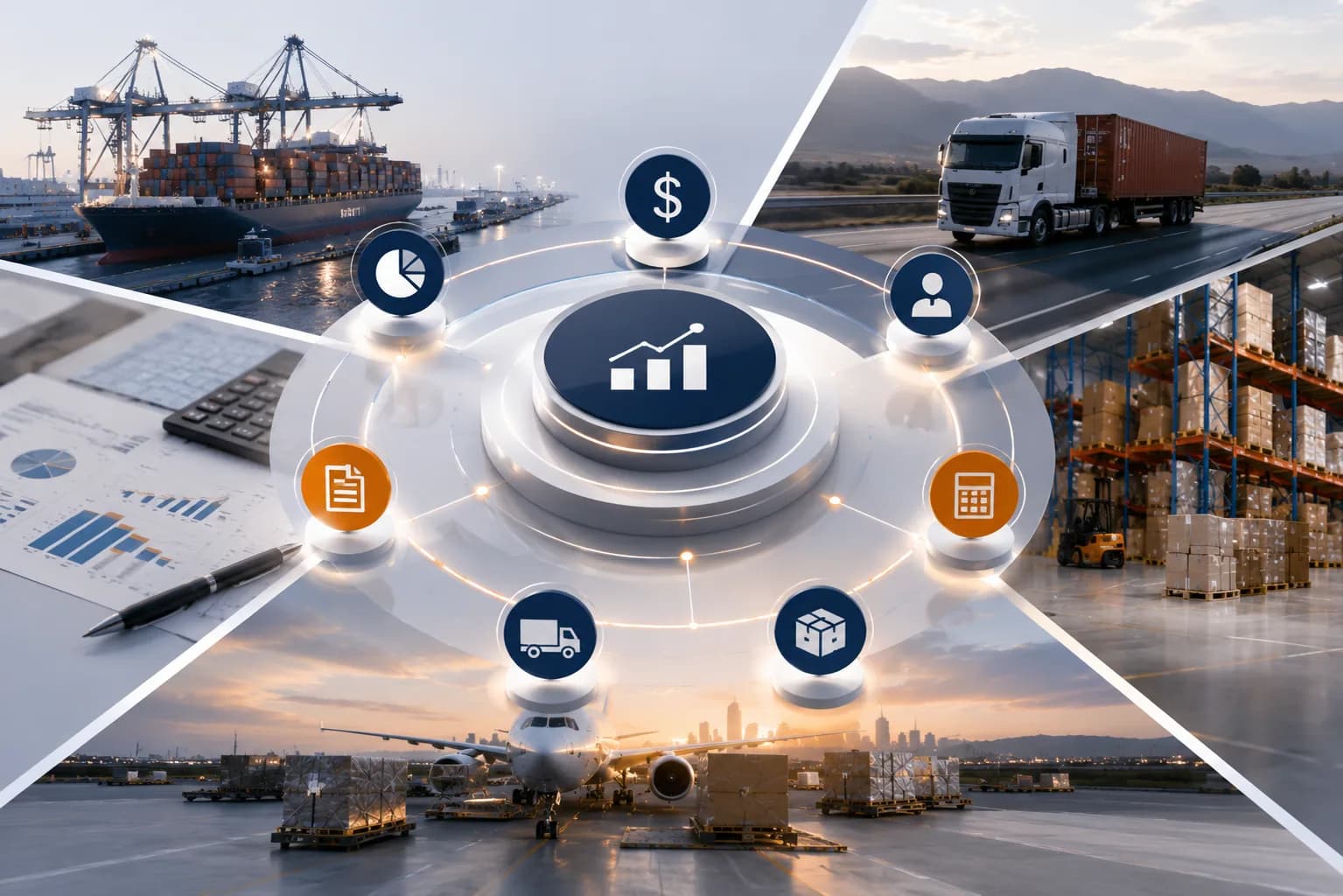
Why Automation Creates Value for SME Forwarders
Automation creates value for SME forwarders because small teams need to manage more work without losing accuracy, visibility, or financial control.
In a freight forwarding SME, one person may handle several roles. Sales may support quotation and customer communication. Operations may manage shipment updates and service coordination. Accounting may handle invoices, receivables, payables, payment requests, and job profit checks.
When the business grows, this shared workload becomes harder to manage manually. A shipment may be updated, but the related service cost may not be added. A customer invoice may be prepared before all vendor costs are checked. A spend request may be submitted without enough job context. A report may not reflect the latest operating cost.
Workflow automation helps the team work with clearer records. It does not remove responsibility from people. It helps people spend less time rebuilding information and more time checking the right data.
The business value
The value is not only faster processing. The value is stronger control over shipment progress, service cost, billing accuracy, and job profit.
How Apollogix Supports SME Forwarding Automation
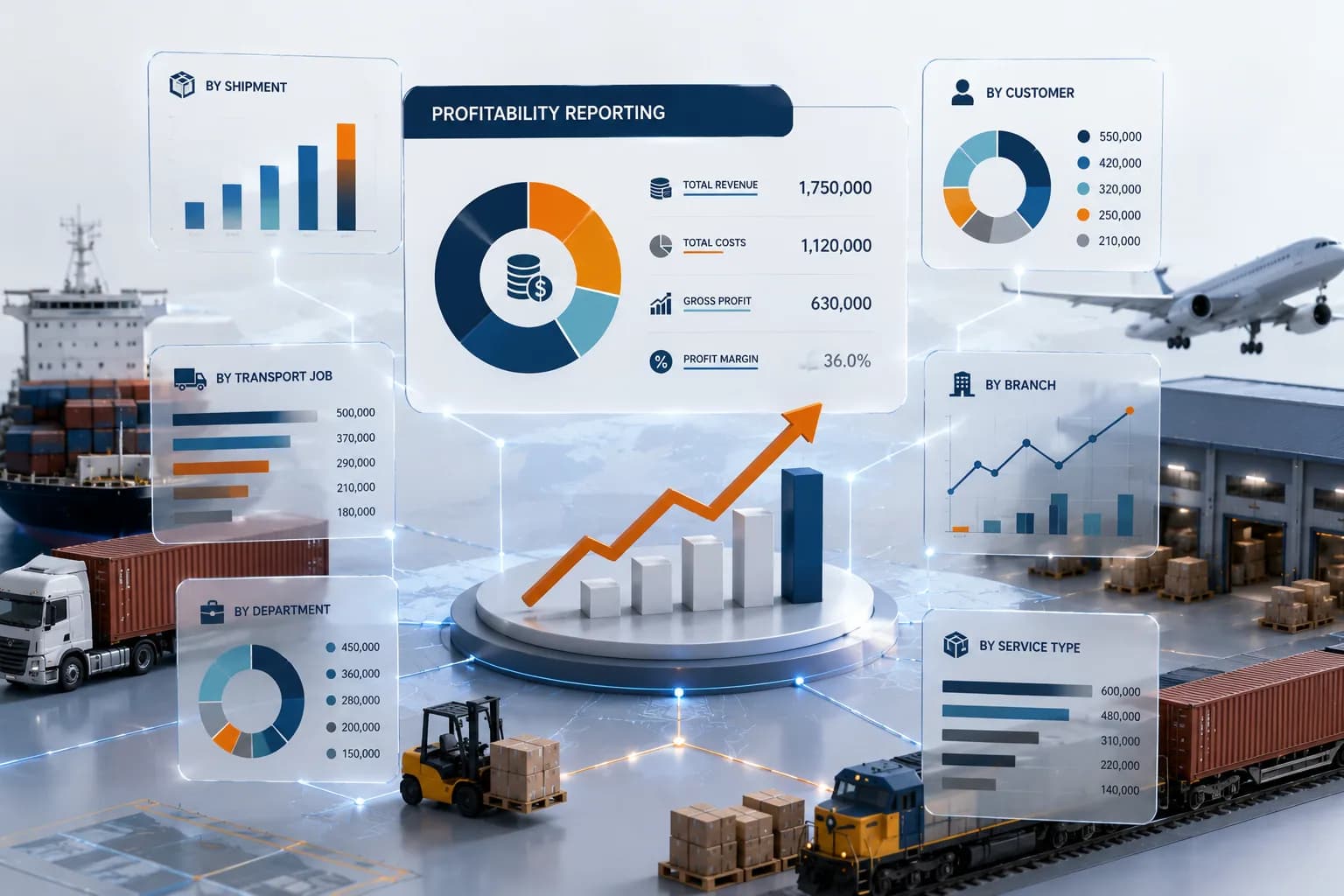
Apollogix supports SME forwarding automation by connecting Client, Quotation, Job Order, Shipment, Service, Accounting, Spend Money Request, Dashboard, Report, and Administration workflows.
In Apollogix FMS, teams can manage customer and partner data, create quotations, open job orders, manage shipments, and connect shipment records with related services. Service workflows can include Customs, Trucking, Handling, and Other services with cost, selling price, service status, and history.
Accounting workflows can create invoices from Job, Shipment, and Service data. They also support account receivable, account payable, customer and vendor debt tracking, revenue and cost by job, cash flow review, and accounting export needs.
Spend Money Request helps teams create payment or advance requests and link them with job or shipment records. Dashboard and Report workflows help management review workload, shipment status, service progress, and financial impact.
Where the value appears
The value appears when quotation, shipment, service, cost, invoice, spend request, and report data move through one connected workflow.

Which SME Forwarders Need Automation Most?
SME forwarders that manage many customers, quotations, shipments, service tasks, vendor costs, payment requests, invoices, and reports need operation automation most.
The need becomes clear when the team cannot answer daily questions quickly. Which quotations became jobs? Which shipments are active? Which services are unfinished? Which costs are still waiting for review? Which invoices are delayed? Which spend requests need approval? Which jobs may lose margin?
Ocean freight forwarders need this workflow when shipment, consolidation, service, and accounting data must stay connected. Air freight forwarders need it when shipment status, flight schedule, service progress, and billing data move quickly. SME 3PL providers need it when service execution and customer billing involve several people.
For COO teams, automation reduces handover gaps between Sales, Operations, and Documentation. For CFO teams, it connects operating data with revenue, cost, receivables, payables, and job profit.