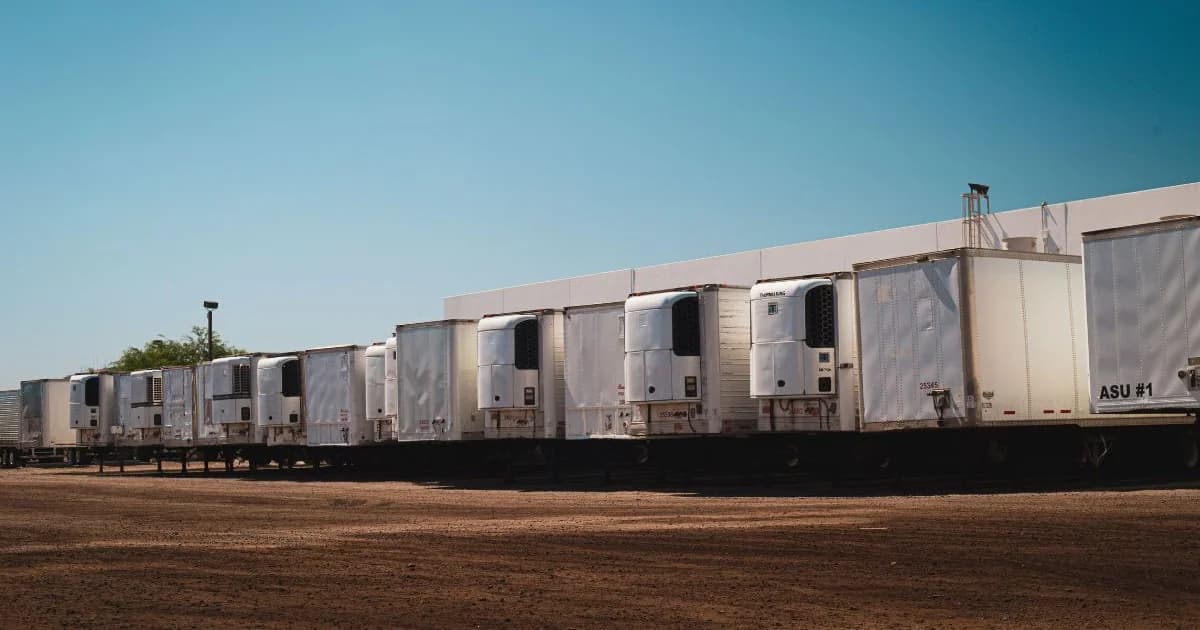
What Does Redlane Mean in Logistics Search?
Redlane is a search term that can reflect a business need to manage transport delays, delivery pressure, route congestion, and cost impact in logistics operations.
The term itself may be interpreted in different ways. Some teams may use it to describe a high-risk delivery lane. Others may use it to describe traffic pressure, repeated delays, or a route that creates extra cost. For this reason, businesses should not evaluate the keyword only by name. They should look at the operating problem behind it.
In logistics, the real issue is usually clear. A transport job may be delayed. A delivery update may be missed. Waiting time may increase. Fuel-related cost may rise. A customer may ask for a faster response. Accounting may need to check whether the job still has margin after extra cost is added.
Simple definition
Redlane Logistics Strategy helps teams review high-risk transport activity, delivery delay, cost impact, pricing pressure, and job margin.
Why Redlane Issues Affect Pricing and Margin
Redlane issues affect pricing and margin because delay, waiting time, fuel-related cost, and repeated exceptions can change the real cost of a logistics job.
A route may look profitable during quotation. But after the job runs, the actual cost may be different. A truck may wait longer at pickup. A container may face port delay. A delivery may need extra coordination. A driver or equipment schedule may change. A customer may still expect the original delivery commitment.
If these issues are not reviewed, the company may keep using old pricing logic while the operating cost has already changed. Sales may quote based on expected cost. Operations may handle the real delay. Accounting may see the cost later. Management may not know which customer, route, or service type is creating margin pressure.
Better Redlane control helps teams connect operational risk with pricing review.
The business risk
The main risk is not only delayed delivery. The bigger risk is underpricing jobs because transport delay and cost impact are not reviewed together.
How Apollogix Supports Redlane Review Workflows
Apollogix supports Redlane review workflows by connecting transport job, shipment, trip, driver, equipment, accounting, dashboard, and report data.
In Apollogix TMS, transport teams can manage transport jobs, operation planning, trips, drivers, equipment, rate management, accounting, dashboards, and reports. Dashboard views help teams review jobs, containers, trips, drivers, and equipment by status. Related workflows can also support waiting time, trip summary, proof of delivery, container demurrage summary, and operational notifications.
In Apollogix FMS, freight forwarding teams can manage shipments, quotations, job orders, services, pricing, accounting, spend requests, dashboards, and reports. These workflows help teams connect shipment activity with service cost, invoice records, customer updates, and job profit.
This structure gives businesses a clearer base to review whether repeated delay, waiting time, or service exceptions should affect pricing, cost control, or customer terms.
Where the value appears
The value appears when transport delay, waiting time, delivery status, service cost, customer pricing, invoice, and report data stay connected.
Which Companies Need a Redlane Logistics Strategy?
Companies that manage many routes, transport jobs, containers, deliveries, customer commitments, vendors, service costs, invoices, and reports need a Redlane Logistics Strategy most.
The need becomes clear when management cannot answer pricing and cost questions quickly. Which routes create repeated delays? Which jobs have higher waiting time? Which customers need pricing review? Which service types create extra cost? Which deliveries affect billing? Which reports show margin pressure?
Transport companies need this strategy when trip activity, waiting time, driver allocation, equipment status, and proof of delivery affect job cost. Freight forwarders need it when shipment, transport, service, vendor cost, invoice, and job profit must be reviewed together. 3PL companies need it when delivery exceptions and billing events move across several teams.
For COO teams, Redlane review helps reduce blind spots in execution. For CFO teams, it connects transport risk with cost, revenue, receivables, payables, and job profit.