Supply Chain & Logistics: What It Is and How It Moves Goods
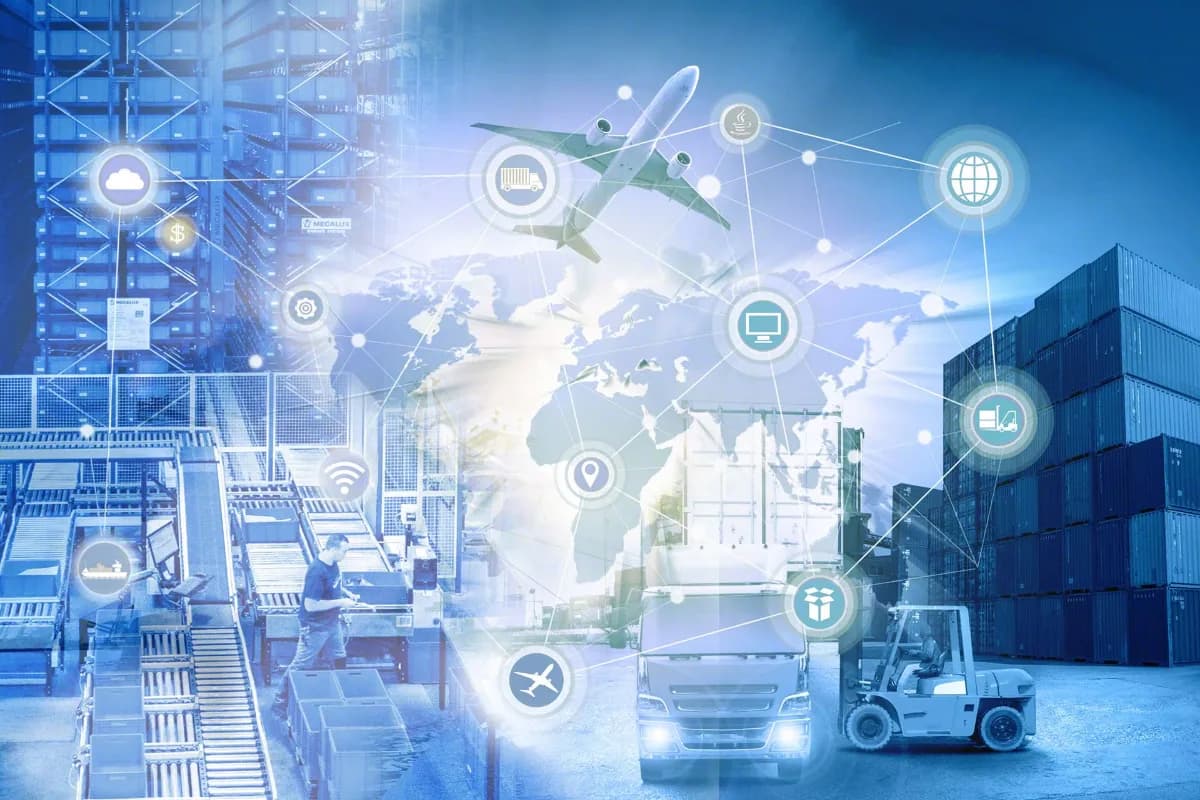
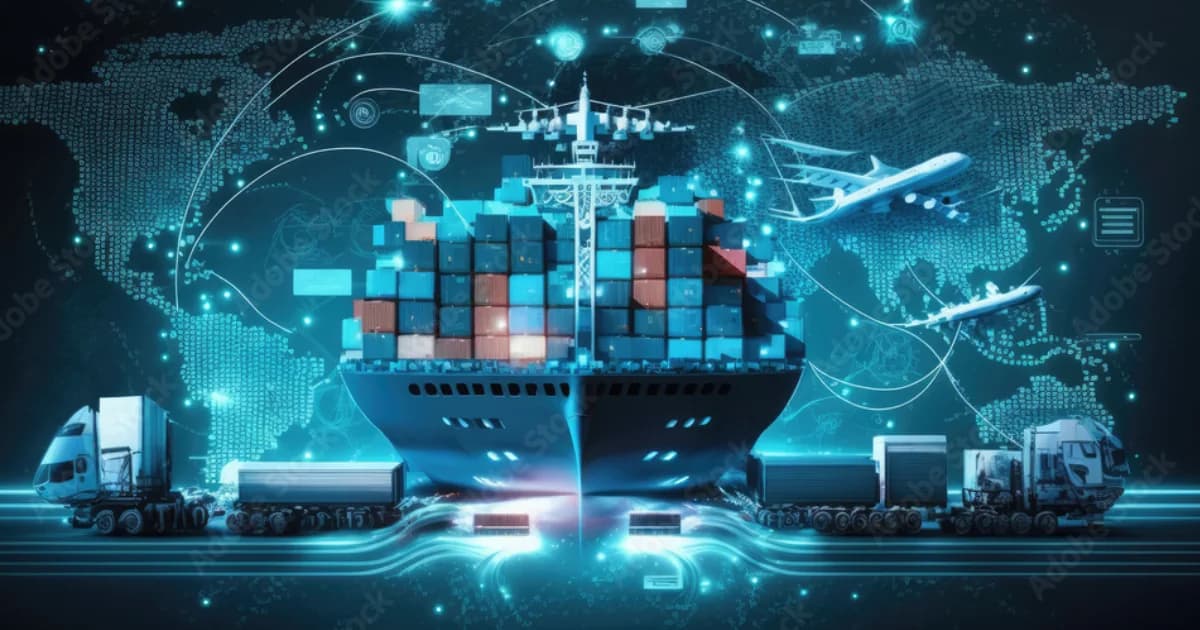
Supply Chain & Logistics refers to the flow of goods, information, documents, and costs from suppliers to customers. Supply chain is the broader network that connects sourcing, production, inventory, transport, delivery, and customer demand. Logistics is the operating layer that moves goods through transport, forwarding, warehousing coordination, shipment tracking, documentation, and delivery control.
For logistics companies, the most important question is practical. Can the team see what is moving, where it is, who is responsible, which cost is attached, and whether the customer has received the right update? When these details are managed clearly, supply chain activity becomes easier to control.
What Is Supply Chain & Logistics?
Supply Chain & Logistics is the combined process of managing how goods, information, documents, and costs move from origin to final customer.
The difference between supply chain and logistics
Supply chain is the wider business network. It includes suppliers, manufacturers, importers, exporters, warehouses, carriers, forwarders, and customers. It looks at how demand is planned, how goods are sourced, how inventory is positioned, and how products reach the market.
Logistics is more operational. It focuses on the physical and information flow needed to move goods. This includes freight forwarding, customs-related coordination, transport planning, container handling, shipment tracking, proof of delivery, invoice data, and delivery reporting.
A simple way to understand the concept
Supply chain answers the question: how does the business bring goods to market? Logistics answers the question: how do those goods move correctly, on time, with the right documents and cost control?
Why Supply Chain & Logistics Matters for Business Control
Supply Chain & Logistics matters because customer service, cost control, revenue recognition, and operational risk are all affected by how goods move.
The business impact of poor logistics visibility
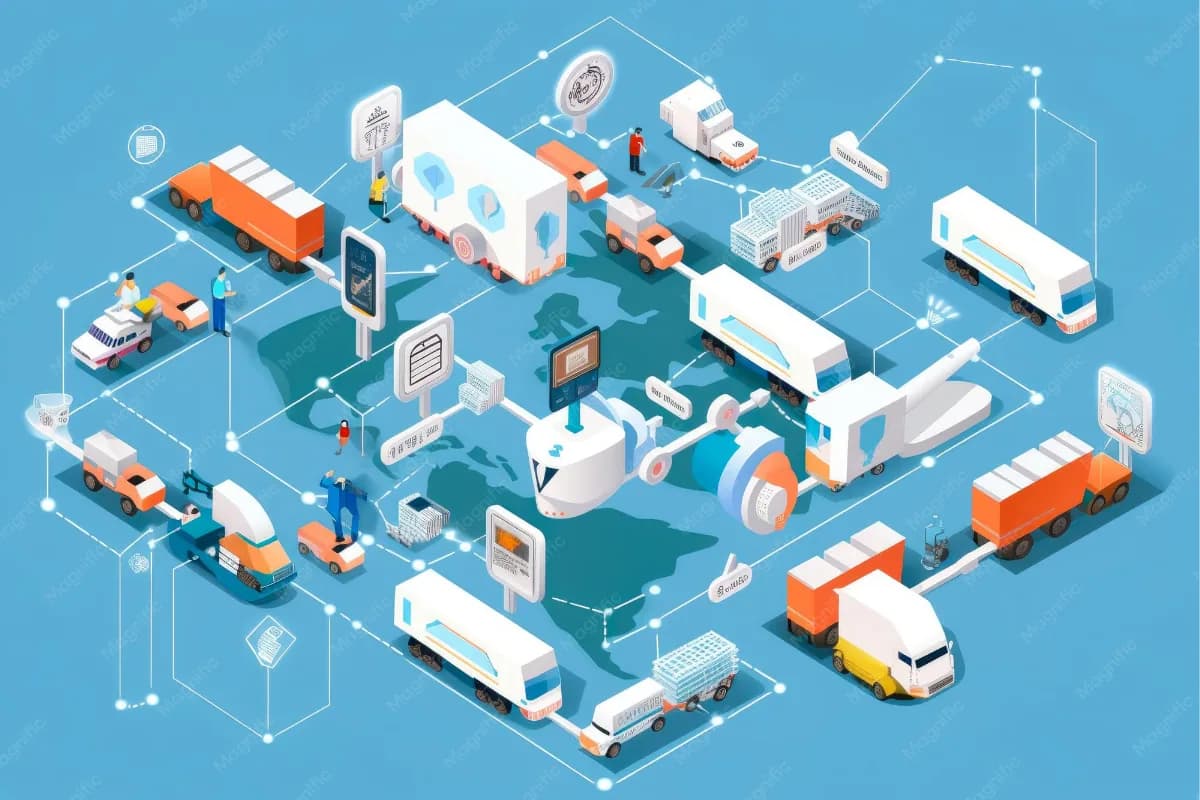
When logistics data is unclear, management cannot see the real status of shipments, transport jobs, containers, drivers, costs, or invoices. A shipment may be active, but the customer update may be late. A container may be close to free time expiry, but the warning may not reach the right team. A service cost may be added, but the billing team may not see it in time.
This creates a gap between operations and finance. Operations may know the shipment is difficult. Finance may only see the issue when margin drops or billing is delayed. Management may only notice the problem when the customer complains.
The control problem behind the process
The real problem is not only moving goods. The real problem is keeping shipment status, cost data, responsibility, documents, and customer updates connected while the goods are moving.
How Apollogix Supports Logistics Operations Inside the Supply Chain
Apollogix supports logistics operations by helping teams manage transport jobs, shipments, bookings, pricing, services, accounting, and reports in structured workflows.
Where TMS and FMS fit into the workflow
A Transportation Management System, or TMS, is software that helps companies manage transport jobs, operation planning, driver allocation, equipment, rate management, accounting, reporting, and user permissions. In Apollogix TMS, management can view jobs, containers, trips, drivers, equipment, waiting time, trip summaries, and container demurrage from the transport operation.
A Freight Management System, or FMS, is software that helps freight forwarders manage shipments, quotations, bookings, job orders, ocean freight, air freight, services, accounting, and reports. In Apollogix FMS, shipment data can connect with consol, job order, service cost, invoice, account receivable, and account payable.
Why this matters for daily execution
Supply chain visibility becomes useful only when teams can act on it. Apollogix focuses on the operating layer where Sales, Operations, Pricing, Accounting, and Management need the same data to move work forward.
What Data Should Logistics Teams Manage?
Logistics teams should manage customer data, shipment data, transport job data, booking data, route data, service cost, invoice data, delivery status, and report data.
The data that keeps operations connected
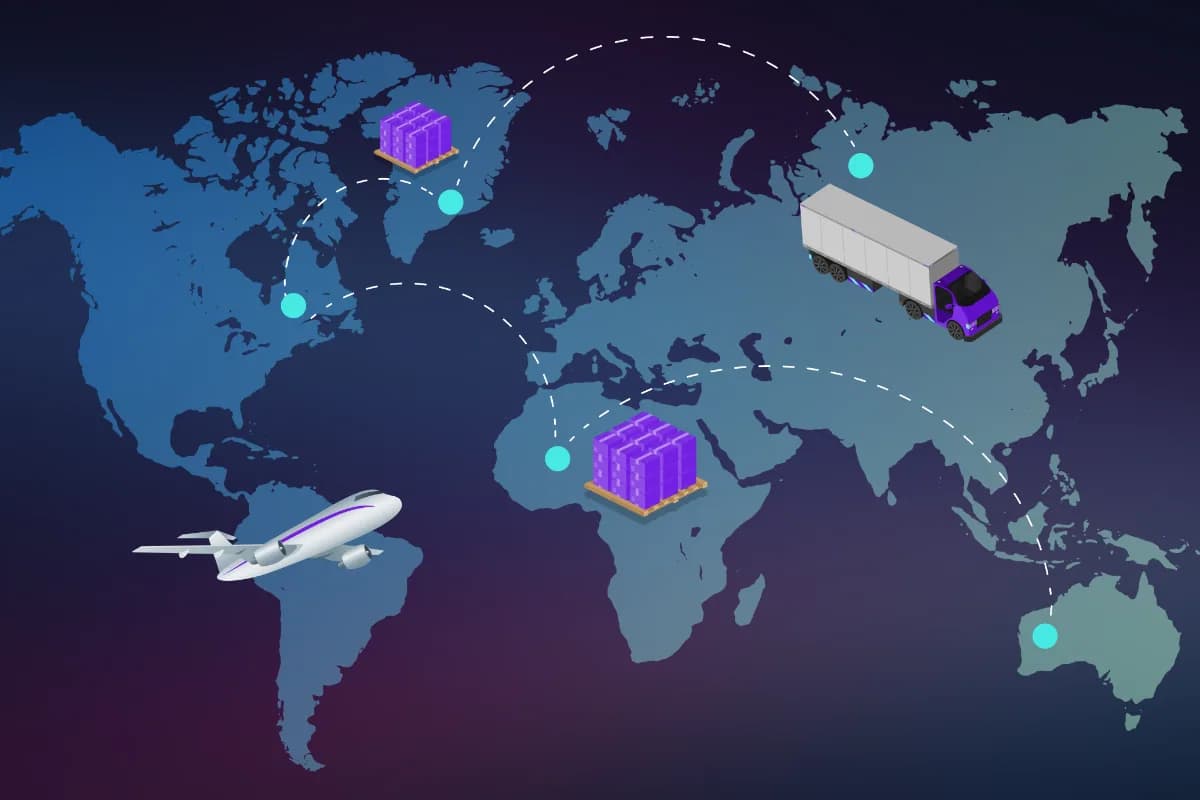
A logistics workflow depends on many linked records. Customer data defines who is involved. Shipment data defines what is moving. Booking data defines the carrier, route, container, and schedule. Transport job data defines how the movement is executed. Service data records customs, trucking, handling, and other work. Accounting data records revenue, cost, invoice, receivable, and payable.
When these records are disconnected, teams spend time checking, asking, and rebuilding information. When they are connected, each department can work from the same operational record.
Why reports should come from operating data
Reports should not be built only at the end of the month. They should come from the data created during daily work. This helps management review shipment volume, customer revenue, job profit, route performance, accounting status, and operational workload with fewer manual checks.
Which Companies Need Better Supply Chain & Logistics Control?
Companies that handle many shipments, transport jobs, customers, vendors, routes, documents, and cost items need better Supply Chain & Logistics control.
When manual coordination becomes risky
The need becomes clear when a company manages multiple customers, repeated container movements, many transport jobs, ocean or air shipments, customer-specific rates, and different billing rules. At that point, manual coordination can create hidden delays and missing cost items.
Freight forwarders need to connect quotation, booking, shipment, service, and accounting. Transport companies need to connect job, trip, driver, equipment, rate, and invoice. 3PL providers need visibility across service execution, cost, delivery status, and reporting.
A good fit for COO and CFO teams
COO teams need to see where work is stuck before it becomes a service failure. CFO teams need to see how logistics activity turns into revenue, cost, receivables, payables, and margin. Better logistics control gives both teams the same operating picture.