What Is Supply Chain Optimization?
Supply chain optimization is the continuous process of improving how goods, information, resources, and operational activities move across the entire supply chain.
For logistics companies, optimization is not simply about reducing transportation costs. It also involves improving planning, shipment coordination, warehouse operations, customer communication, documentation, financial control, and business reporting.
Modern supply chains involve multiple departments working together throughout every shipment. Sales communicates with customers. Operations coordinate transportation. Warehouse teams prepare cargo. Documentation manages shipping documents. Finance controls operational costs and invoicing. Management evaluates business performance using operational dashboards.
When these departments operate independently, businesses often experience duplicated work, delayed communication, inconsistent data, and slower decision-making.
Simple definition
Supply chain optimization connects transportation, warehousing, documentation, finance, and operational management into one coordinated business workflow.
Why Supply Chain Optimization Matters
Today's logistics operations require businesses to respond quickly to changing customer requirements, transportation disruptions, and fluctuating operational costs.
Without connected systems, logistics companies often struggle with shipment visibility, delayed operational updates, manual coordination, and disconnected reporting.
Operations teams may not detect transport issues immediately. Warehouse staff may prepare shipments based on outdated schedules. Finance may wait for operational confirmation before processing invoices. Management may receive reports days after operational events have already occurred.
A connected supply chain management platform allows every department to access the same operational information, helping businesses improve coordination, reduce delays, and make faster business decisions.
The operational challenge
The biggest challenge is maintaining synchronized operational, financial, customer, and shipment information throughout the entire supply chain.
How Apollogix Supports Supply Chain Optimization
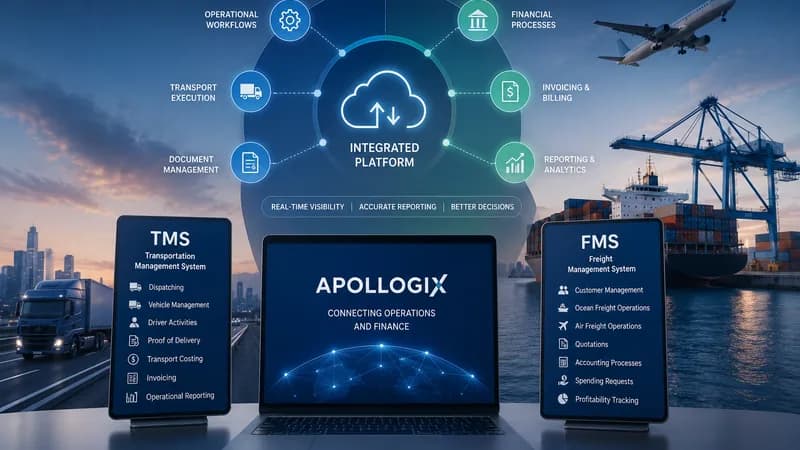
Apollogix provides integrated supply chain management through its Transportation Management System (TMS) and Freight Management System (FMS).
Apollogix TMS helps transport companies manage transport planning, dispatch operations, driver management, fleet utilization, proof of delivery, container tracking, accounting, dashboards, and operational reporting.
Apollogix FMS supports freight forwarders with quotation management, customer management, bookings, ocean freight, air freight, shipment management, accounting, receivables, payables, profitability analysis, dashboards, and management reports.
By connecting operational data across departments, Apollogix helps businesses improve visibility while reducing manual processes throughout daily logistics operations.
Where the value appears
The greatest value comes from connecting transport, freight forwarding, finance, documentation, and reporting into one operational platform.

Which Businesses Benefit Most?
Supply chain optimization benefits freight forwarders, transport companies, warehouse operators, manufacturers, distributors, container carriers, and third-party logistics providers.
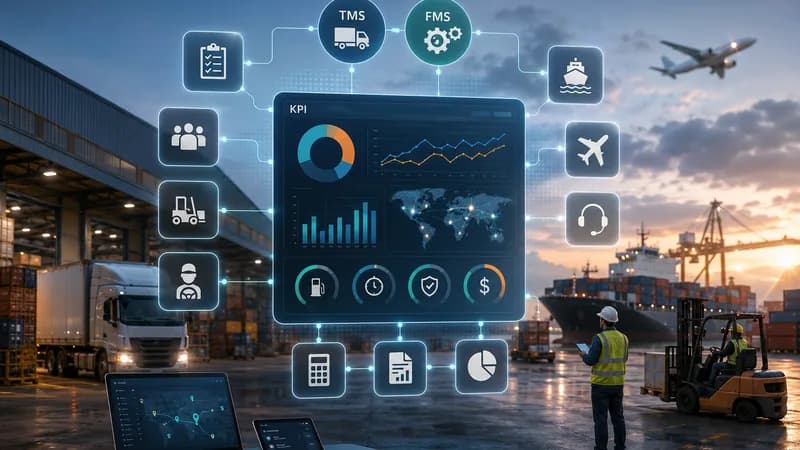
Operations teams gain better visibility into shipment progress. Warehouse teams improve cargo coordination. Finance departments monitor operational costs more accurately. Business leaders receive real-time dashboards to evaluate operational efficiency, profitability, and customer service performance.
As logistics operations continue to become more complex, supply chain optimization helps businesses improve collaboration, reduce operational risk, and support sustainable business growth.