What Is SLA Reporting in Logistics?
SLA Reporting in Logistics is the process of tracking logistics performance against agreed service targets.
SLA means Service Level Agreement. In logistics, an SLA may cover pickup time, delivery time, transit time, service completion, document handling, response time, proof of delivery, or customer update frequency.
A logistics SLA report helps teams answer simple but important questions. Did the job meet the agreed delivery time? Was the customer updated on time? Was the service completed within the expected window? Which shipment or transport job missed the target? Which delay needs review?
For logistics teams, SLA reporting should not be hard to use. It should help Operations, Customer Service, Accounting, and Management read the same performance data with less manual checking.
Simple definition
SLA Reporting in Logistics helps teams measure whether logistics services are delivered against agreed targets.
Why SLA Reporting Is Difficult Without a Clear Setup
SLA reporting becomes difficult when teams do not agree on what should be measured, where the data comes from, and who needs to review it.
One team may define on-time delivery by the planned delivery date. Another team may define it by actual proof of delivery. Customer service may focus on response time. Operations may focus on pickup, delivery, waiting time, and exception handling. Finance may care about delay cost, billing adjustment, and job margin.
If these definitions are not aligned, the report becomes confusing. A job may look successful in one report and delayed in another. A customer may ask for SLA performance, but the team may need to rebuild data from different files. Management may spend more time checking the report than using it.
A better setup starts with clear KPI definitions, connected operating data, and report views that match each team’s role.
The access barrier
The main barrier is not the report itself. The barrier is unclear KPI logic and scattered data before the report is created.

How Apollogix Supports SLA Reporting Setup
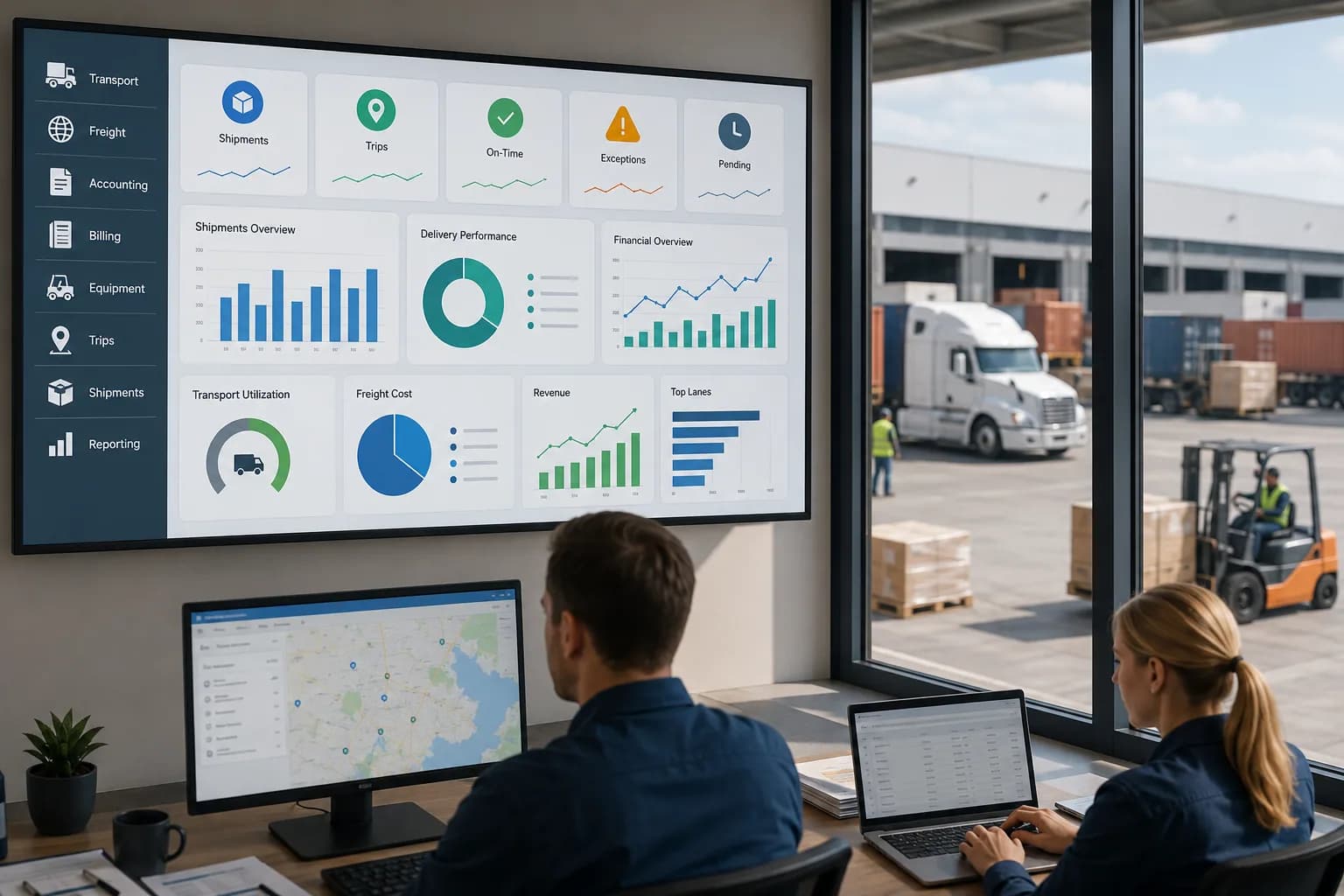
Apollogix supports SLA reporting setup by connecting logistics workflow data with dashboard, notification, accounting, and report views.
In transport operations, Apollogix TMS helps teams manage transport jobs, operation planning, trips, drivers, equipment, waiting time, proof of delivery, dashboard views, accounting, and reports. These data points can support SLA review for pickup, delivery, POD completion, waiting time, and transport exceptions.
In freight forwarding operations, Apollogix FMS helps teams manage shipments, job orders, services, notifications, accounting records, dashboards, and reports. These workflows can support SLA review for shipment progress, service status, customer updates, job order activity, and cost impact.
This makes SLA reporting easier to set up because the report can come from workflow data that teams already use in daily operations.
Where the value appears
The value appears when SLA reports are built from job, shipment, trip, service, POD, notification, cost, and report data that teams already manage.

How Logistics Teams Can Start With SLA Reporting
Logistics teams can start SLA reporting by keeping the first setup simple.
First, define the service targets that matter most. These may include pickup time, delivery time, service completion time, proof of delivery completion, customer update time, or exception response time.
Second, decide where the data should come from. For example, pickup and delivery data may come from transport job or trip records. Service status may come from service workflows. POD may come from delivery records. Cost impact may come from accounting data.
Third, create report views for the right users. Operations may need exception lists. Management may need SLA performance by customer, route, team, or service type. Finance may need cost impact, billing adjustment, and job profit context.
This approach helps teams adopt SLA reporting without making the first version too complicated.