Why Software Pricing Matters for Your Business
In today's competitive logistics environment, inefficient software choices can lead to costly delays, misallocated resources, and ultimately, lost revenue opportunities. Without a clear understanding of pricing models, companies may struggle with unexpected costs, inadequate features, or poor scalability. Moreover, the lack of transparency in software costs can make it challenging for businesses to budget effectively and plan for future growth. By evaluating transport management software pricing carefully, organizations can make informed decisions and gain a competitive edge.
Key Factors That Affect Pricing
Several factors influence the cost of transport management software:
- Number of Users: Most TMS/FMS solutions charge based on active users. The more users you have, the higher the subscription cost.
- Deployment Model: Cloud-based (SaaS) solutions typically have monthly or annual subscriptions, while on-premise solutions require a larger upfront investment.
- Features and Modules: Basic packages cover core operations, while advanced packages include features like route optimization, real-time tracking, and accounting integration.
- Implementation and Training: Many providers charge a one-time setup fee for system configuration, data migration, and user training.
- Support and Maintenance: Ongoing technical support and system updates are often included in the subscription or charged separately.
Understanding Pricing Models in Logistics Software
To address these concerns, logistics providers must understand the common pricing models available in the market and choose the one that best fits their operational needs and budget.
SaaS Subscription Model
The Software-as-a-Service (SaaS) model is the most common pricing structure for modern TMS/FMS solutions. Businesses pay a recurring monthly or annual fee based on the number of active users. This model offers several advantages:
- Low Upfront Costs: No large capital investment for servers or infrastructure.
- Scalability: Easily add or remove users as your business grows.
- Automatic Updates: Always have access to the latest features and security patches.
- Predictable Budgeting: Fixed monthly costs make financial planning easier.

Per-User vs. Per-Transaction Pricing
Some providers offer per-user pricing, where you pay for each person accessing the system. Others may charge per transaction or per shipment. Understanding which model aligns with your business volume is critical to avoiding unexpected costs. For most logistics companies, per-user pricing is more predictable and cost-effective, especially when shipment volumes fluctuate seasonally.

How Apollogix Helps
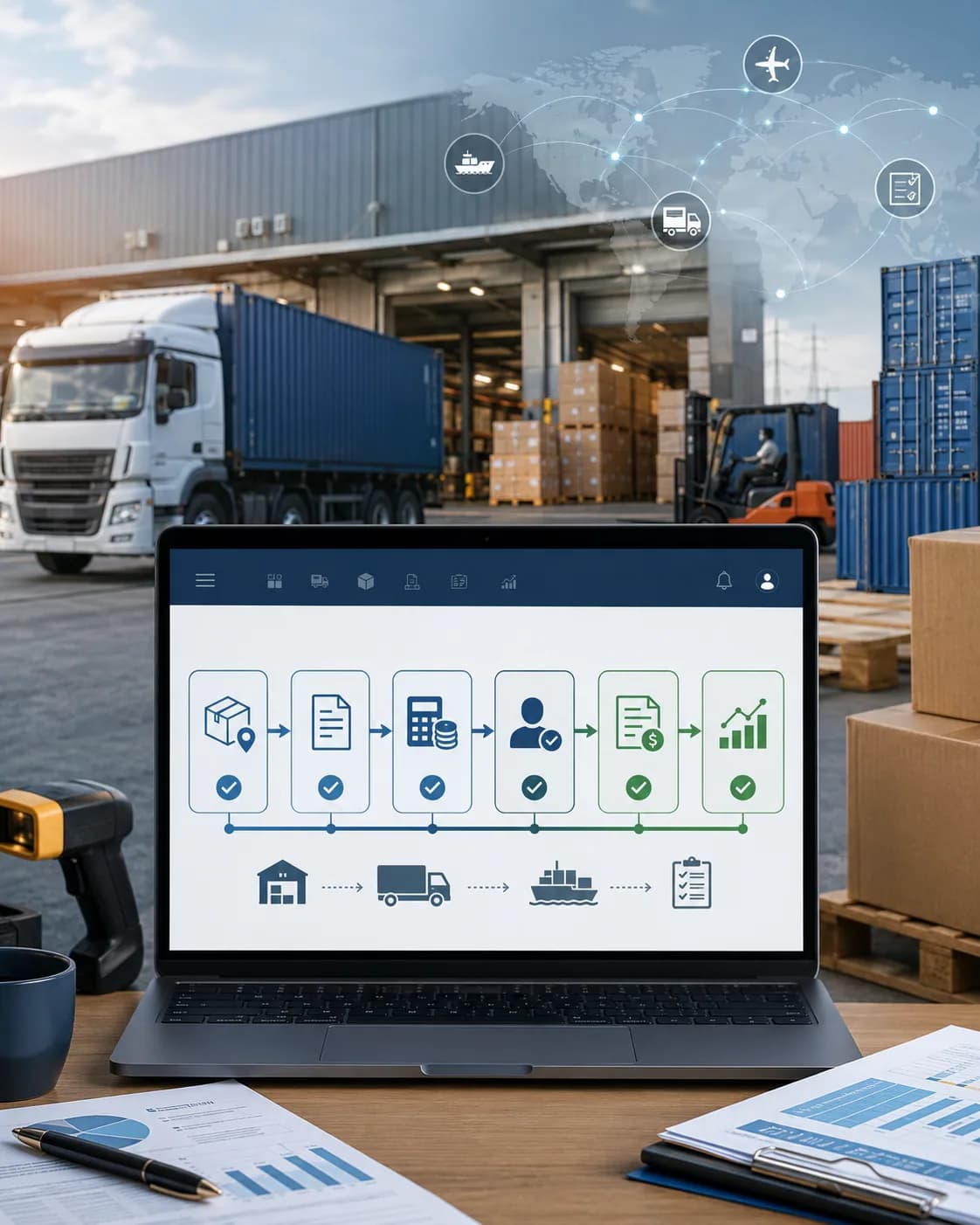
At Apollogix, we understand the complexities involved in logistics management and offer a comprehensive Transportation Management System (TMS) and Freight Management System (FMS) designed to simplify your operations. Our pricing is transparent, flexible, and tailored to your business needs. With our solutions, you gain real-time visibility into inventory levels, track shipments, and enable seamless communication with carriers, thereby streamlining your supply chain processes—all at a competitive price point.
Conclusion
To unlock the full potential of your logistics operations, contact Apollogix for a free demo today and discover how our TMS/FMS can help you streamline warehouse management, optimize inventory tracking, and improve delivery times—with pricing that fits your budget.