What Are 3PL and 4PL?
3PL and 4PL are logistics models that describe how companies outsource or coordinate supply chain operations with external providers.
3PL means Third-Party Logistics. A 3PL provider usually handles logistics execution for a company. This may include transportation, warehousing, fulfillment, freight forwarding, trucking, customs-related services, delivery coordination, or other daily logistics tasks.
4PL means Fourth-Party Logistics. A 4PL provider usually plays a broader coordination role. Instead of only executing logistics tasks, a 4PL may manage several providers, connect different logistics partners, review performance, and coordinate supply chain activity at a higher level.
The difference is simple: 3PL often performs the work, while 4PL manages the network behind the work.
Simple definition
3PL handles logistics execution. 4PL coordinates logistics strategy, providers, performance, and control across a wider network.

Why 3PL and 4PL Matter in Daily Operations
3PL and 4PL matter because many companies do not want to manage every logistics activity internally.
A business may have strong products, customers, and sales channels, but logistics operations can quickly become complex. Shipments need planning. Transport jobs need assignment. Warehouses need coordination. Vendors need follow-up. Delivery updates must be sent. Costs must be checked. Invoices and reports must match the actual work.
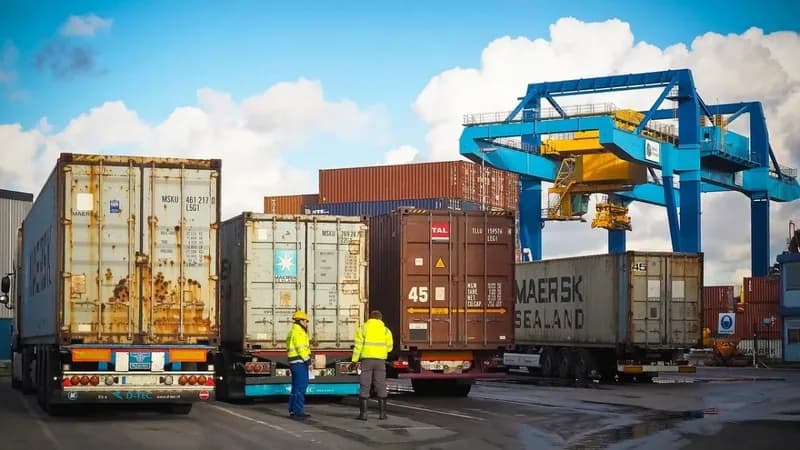
A 3PL can help by taking over execution. For example, a 3PL may manage transport, warehouse handling, delivery, or freight forwarding work.
A 4PL can help when the company needs broader coordination. For example, a 4PL may manage several 3PL providers, compare service performance, review cost, and help management see the full logistics picture.
The business risk
The risk is not only choosing the wrong provider. The bigger risk is losing visibility when transport, service, cost, and reporting data are scattered across many parties.

How Apollogix Supports 3PL and 4PL Workflows
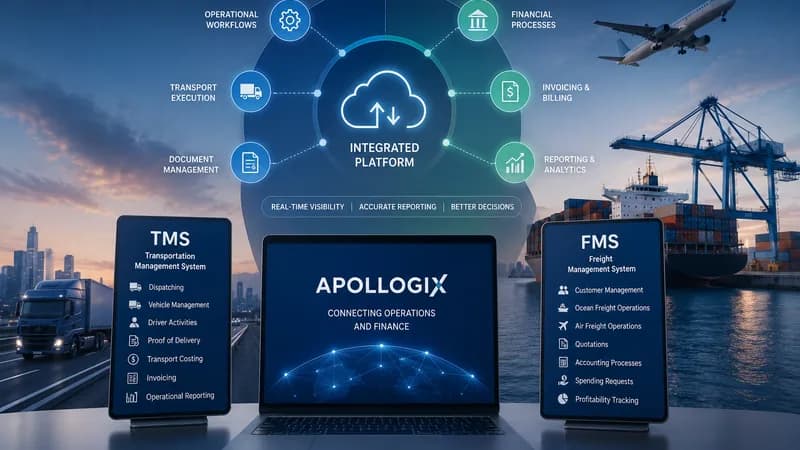
Apollogix supports 3PL and 4PL workflows by helping logistics teams connect transport, freight forwarding, service, accounting, dashboard, and report data.
For 3PL operations, Apollogix TMS helps transport teams manage transport jobs, operation planning, trips, drivers, equipment, dashboard views, accounting, and reports. This is useful when transport execution, delivery status, POD, waiting time, cost, and billing need to stay connected.
For freight forwarding and 3PL service operations, Apollogix FMS helps teams manage customer data, shipments, job orders, quotations, services, pricing, accounting, spend requests, dashboards, and reports. This is useful when shipment, service, vendor cost, invoice, and job profit need to be reviewed together.
For 4PL-style coordination, connected data is important because management needs to review performance across providers, customers, services, and cost records. The system helps teams avoid rebuilding updates manually from separate files.
Where the value appears
The value appears when shipment, transport job, service, cost, invoice, delivery, and report data stay connected across providers and teams.
Which Companies Need to Understand 3PL and 4PL?
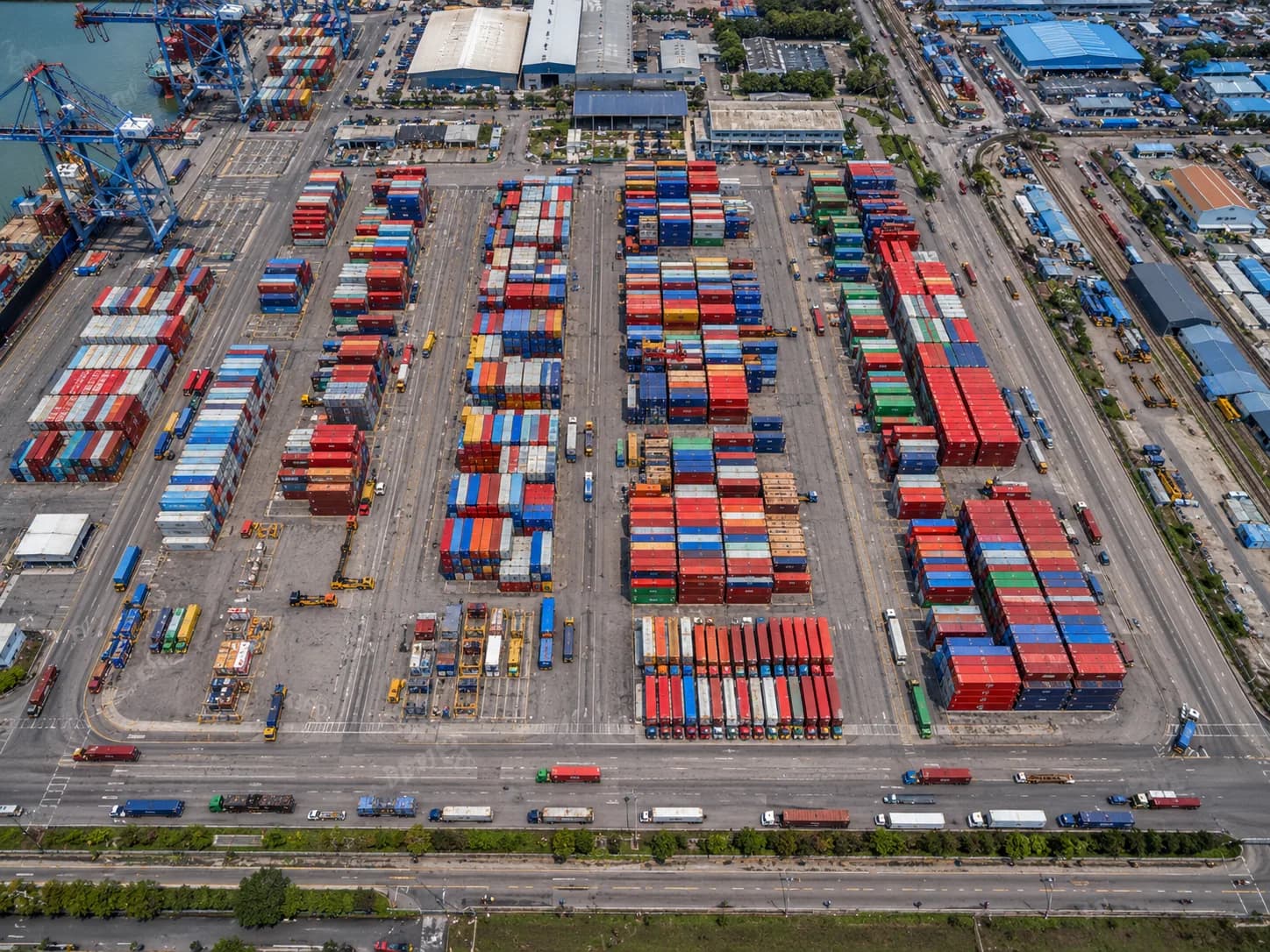
Companies that work with multiple logistics providers, transport partners, warehouses, freight forwarders, or service vendors need to understand 3PL and 4PL.
The need becomes clear when management cannot answer basic operating questions quickly. Which provider is handling which shipment? Which transport job is delayed? Which service is unfinished? Which vendor cost belongs to which job? Which delivery update is missing? Which report shows the real performance?
3PL companies need connected systems because they execute the daily work for customers. They must manage jobs, services, costs, delivery updates, invoices, and reports clearly.
4PL companies need connected visibility because they coordinate the wider network. They must compare provider performance, service quality, customer commitments, and cost impact across several parties.