Với trucking company, kiểm soát chuỗi cung ứng không chỉ là đưa hàng từ điểm này đến điểm khác. Đó là việc kết nối nhu cầu khách hàng, job vận tải, kế hoạch tuyến, phân bổ tài xế, tình trạng thiết bị, bảng giá, hóa đơn và báo cáo trong cùng một quy trình làm việc. Nếu thiếu sự kết nối này, ban quản lý thường chỉ nhìn thấy vấn đề sau khi chi phí, chất lượng dịch vụ hoặc niềm tin của khách hàng đã bị ảnh hưởng. Hệ thống quản lý vận tải, hay TMS, giúp trucking company quản lý các phần việc này theo một cấu trúc rõ ràng. Với COO và CFO, mục tiêu rất cụ thể — biết điều gì đang xảy ra, chi phí phát sinh ở đâu, và cần xử lý điểm nào trước khi một chậm trễ nhỏ trở thành vấn đề lớn hơn.
Giải Pháp Chuỗi Cung Ứng Cho Trucking Company Là Gì?
Giải pháp chuỗi cung ứng cho trucking company là khả năng quản lý nhu cầu vận tải, nguồn lực đội xe, tiến độ giao nhận, chi phí và báo cáo trên cùng một lớp vận hành có kết nối.
Định nghĩa thực tế trong vận tải
Trong trucking, chuỗi cung ứng không dừng lại ở việc đặt xe. Nó bao gồm yêu cầu của khách hàng, điểm lấy hàng và giao hàng, thông tin container hoặc hàng hóa, lựa chọn thiết bị, lập lịch chuyến, phân công tài xế, thời gian chờ, bằng chứng giao hàng, dữ liệu hóa đơn và phân bổ chi phí.
Khi mỗi phần được quản lý riêng, doanh nghiệp vẫn có thể hoàn tất chuyến giao hàng. Nhưng ban quản lý không phải lúc nào cũng thấy đầy đủ bức tranh vận hành. Một job có thể đang active, trong khi xe được phân bổ lại bị trễ. Một chuyến có thể đã hoàn tất, nhưng chi phí chưa chuyển sang kế toán. Một khách hàng có thể hỏi trạng thái, trong khi đội vận hành vẫn phải gọi nhiều người để xác nhận.
Kiểm soát chuỗi cung ứng đưa các chi tiết này vào một luồng làm việc rõ ràng. Doanh nghiệp có thể theo dõi job từ yêu cầu khách hàng đến điều phối, từ thực hiện chuyến đến xuất hóa đơn, và từ vận hành hằng ngày đến báo cáo quản trị.
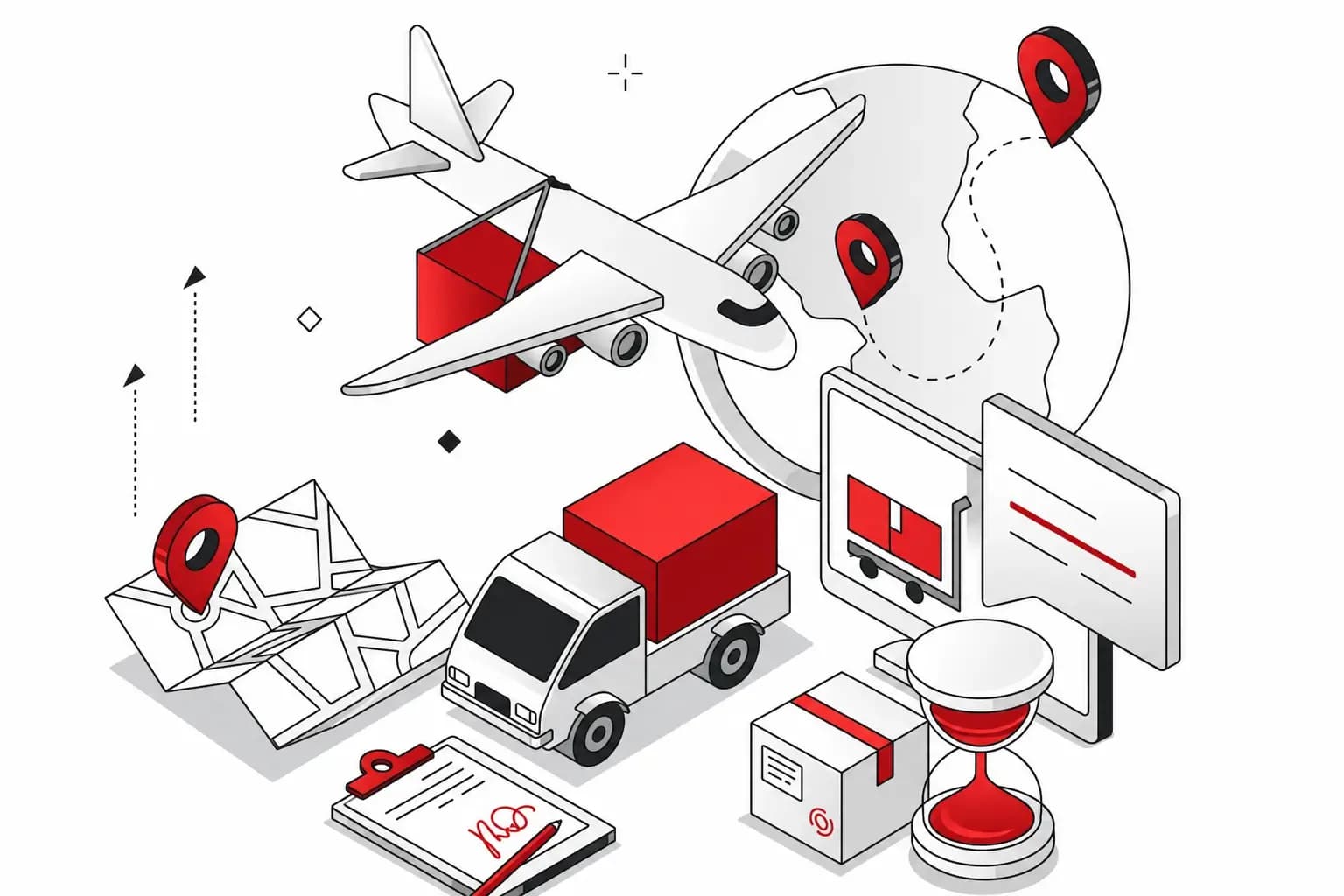
Vì Sao Trucking Company Cần Kiểm Soát Chuỗi Cung Ứng?
Trucking company cần kiểm soát chuỗi cung ứng vì chậm trễ, thời gian chờ, lỗi thiết bị và lệch giá thường chỉ được phát hiện sau khi chi phí đã phát sinh.
Vấn đề không chỉ là giao hàng trễ
Một trucking company có thể mất kiểm soát ngay cả khi xe vẫn đang chạy. Vấn đề thật sự nằm ở dữ liệu bị phân mảnh. Bộ phận vận hành có thể biết tài xế đang ở đâu. Bộ phận kế toán có thể biết giá trị hóa đơn. Ban quản lý có thể biết sản lượng theo tuần. Nhưng nếu các góc nhìn này không kết nối, doanh nghiệp khó thấy chi phí thực tế của từng job hoặc trạng thái đầy đủ của từng đơn hàng.
Điều này quan trọng với vận tải container, hàng general freight và mô hình nhiều chi nhánh. Một container bị trễ có thể tạo rủi ro demurrage. Một xe báo lỗi có thể buộc phải điều phối lại. Một bảng giá riêng của khách hàng có thể không khớp với thực tế job. Một chuyến xe có thể vượt thời gian chờ cho phép tại cảng hoặc kho.
Với COO, đây là áp lực vận hành. Với CFO, đây là rủi ro về chi phí. Với CIO, đây là vấn đề về chất lượng dữ liệu giữa các hệ thống. Kiểm soát chuỗi cung ứng giúp các vai trò này nhìn cùng một bức tranh về job, chuyến xe, thiết bị, bảng giá và dữ liệu tài chính.
TMS Hỗ Trợ Kiểm Soát Chuỗi Cung Ứng Như Thế Nào?
TMS, hay hệ thống quản lý vận tải, hỗ trợ kiểm soát chuỗi cung ứng bằng cách kết nối job vận tải, vận hành hằng ngày, quản lý giá, thiết bị, kế toán và báo cáo trong một luồng làm việc có cấu trúc.
Từ job vận tải đến dữ liệu kế toán
Luồng làm việc thường bắt đầu từ dữ liệu khách hàng và job. Hệ thống ghi nhận khách hàng, loại job, mã tham chiếu, thông tin tàu hoặc tuyến, điểm lấy hàng, điểm giao hàng và các mốc thời gian quan trọng. Từ đó, đội vận hành có thể lập lịch chuyến theo ngày, phân bổ xe và tài xế, đồng thời theo dõi từng container hoặc đơn hàng.
Quản lý giá hỗ trợ phần thương mại của job. Doanh nghiệp có thể quản lý bảng giá khách hàng, tariff nội bộ, phụ phí, quy tắc thời gian chờ và giá bán. Điều này giúp giảm khoảng cách giữa giá đã báo và công việc thực tế đã thực hiện.
Quản lý thiết bị hỗ trợ tình trạng sẵn sàng của đội xe. Doanh nghiệp có thể theo dõi xe, trailer, tổ hợp xe, lỗi phát sinh, lịch sử bảo trì và trạng thái hoạt động. Kế toán sau đó kết nối doanh thu, chi phí, công nợ phải thu, công nợ phải trả và thanh toán vào cùng job vận tải.
Kết quả là một lớp quản trị nơi sự kiện vận hành và dữ liệu tài chính hỗ trợ lẫn nhau.
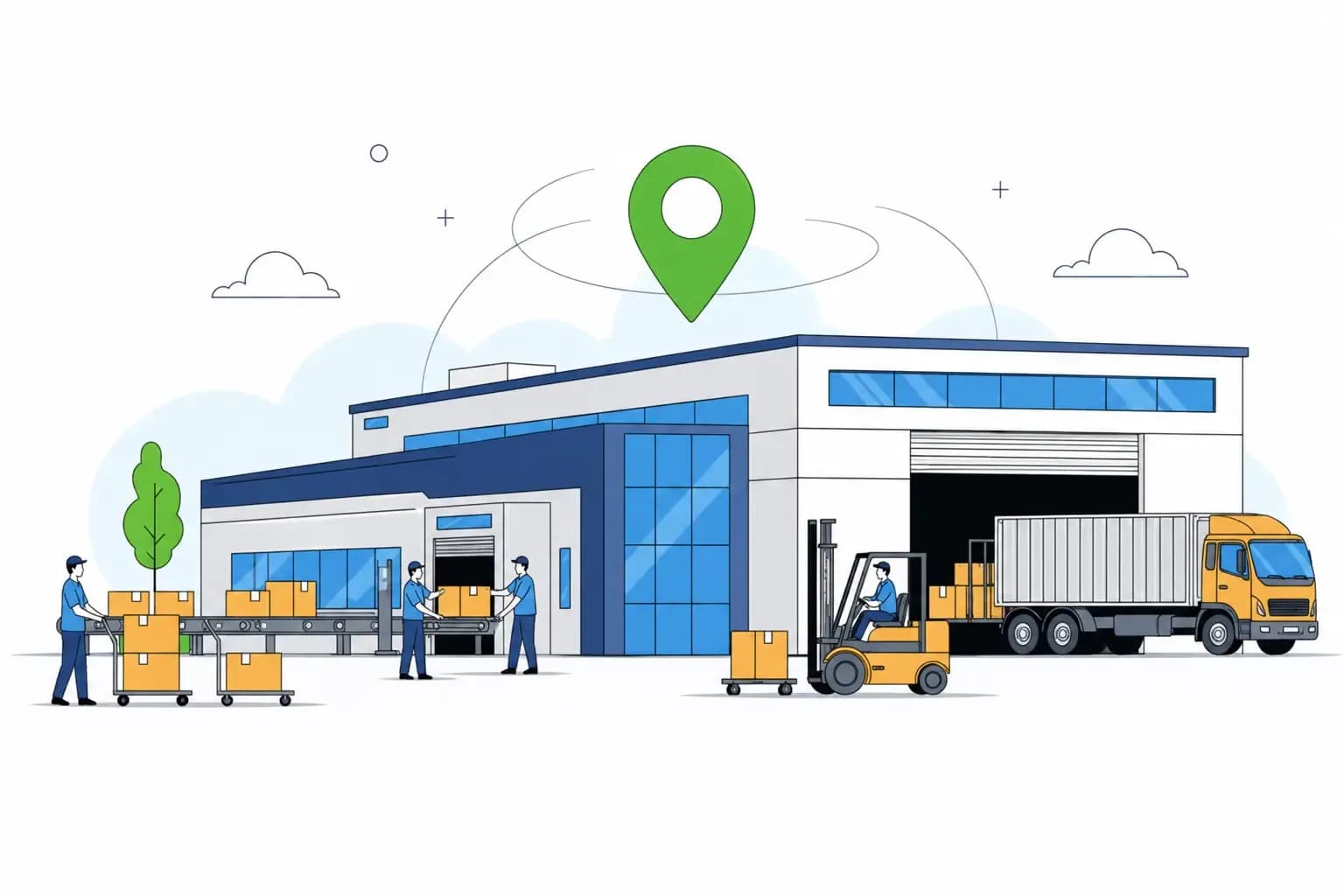
Trucking Company Nào Cần Giải Pháp Này Nhất?
Trucking company cần kiểm soát chuỗi cung ứng nhất khi việc điều phối hằng ngày liên quan đến nhiều khách hàng, nhiều chuyến xe, nhiều loại thiết bị và nhiều quy tắc chi phí.
Tín hiệu nằm ở áp lực phối hợp
Quy mô đội xe không phải tín hiệu duy nhất. Một doanh nghiệp nhỏ nhưng có tuyến container phức tạp có thể cần kiểm soát mạnh hơn một doanh nghiệp lớn chỉ chạy tuyến cố định. Câu hỏi quan trọng là doanh nghiệp có còn nhìn được trạng thái job, tiến độ chuyến, thời gian chờ, tình trạng thiết bị và tác động chi phí mà không phải hỏi nhiều phòng ban hay không.
Điều này đặc biệt quan trọng với trucking company xử lý container xuất nhập khẩu, vận chuyển cảng, giao hàng về kho, general freight hoặc bảng giá riêng theo từng khách hàng. Các doanh nghiệp này thường gặp thay đổi giờ lấy hàng, giới hạn free time, lịch tài xế, yêu cầu từ depot và các khoản phí phát sinh.
Một TMS có cấu trúc giúp nhà quản lý thấy công việc nào đang đi đúng kế hoạch và điểm nào cần can thiệp. Nó cũng giúp kế toán và vận hành dùng cùng một bản ghi job, để doanh thu và chi phí không bị tách khỏi hoạt động đã tạo ra chúng.