Freight forwarding operations software for SMEs helps forwarders manage daily work across sales, operations, documentation, pricing, accounting, dashboard, and reporting. A growing forwarding company needs more than spreadsheets and email threads to control customer requests, quotations, bookings, shipments, services, costs, invoices, receivables, payables, and profit reports. When each team keeps its own version of the same job, shipment control becomes harder and financial review becomes slower. A connected Freight Management System, or FMS, helps SME forwarders keep job data, shipment data, service data, and accounting data in the same operating structure.
What Is Freight Forwarding Operations Software for SMEs?
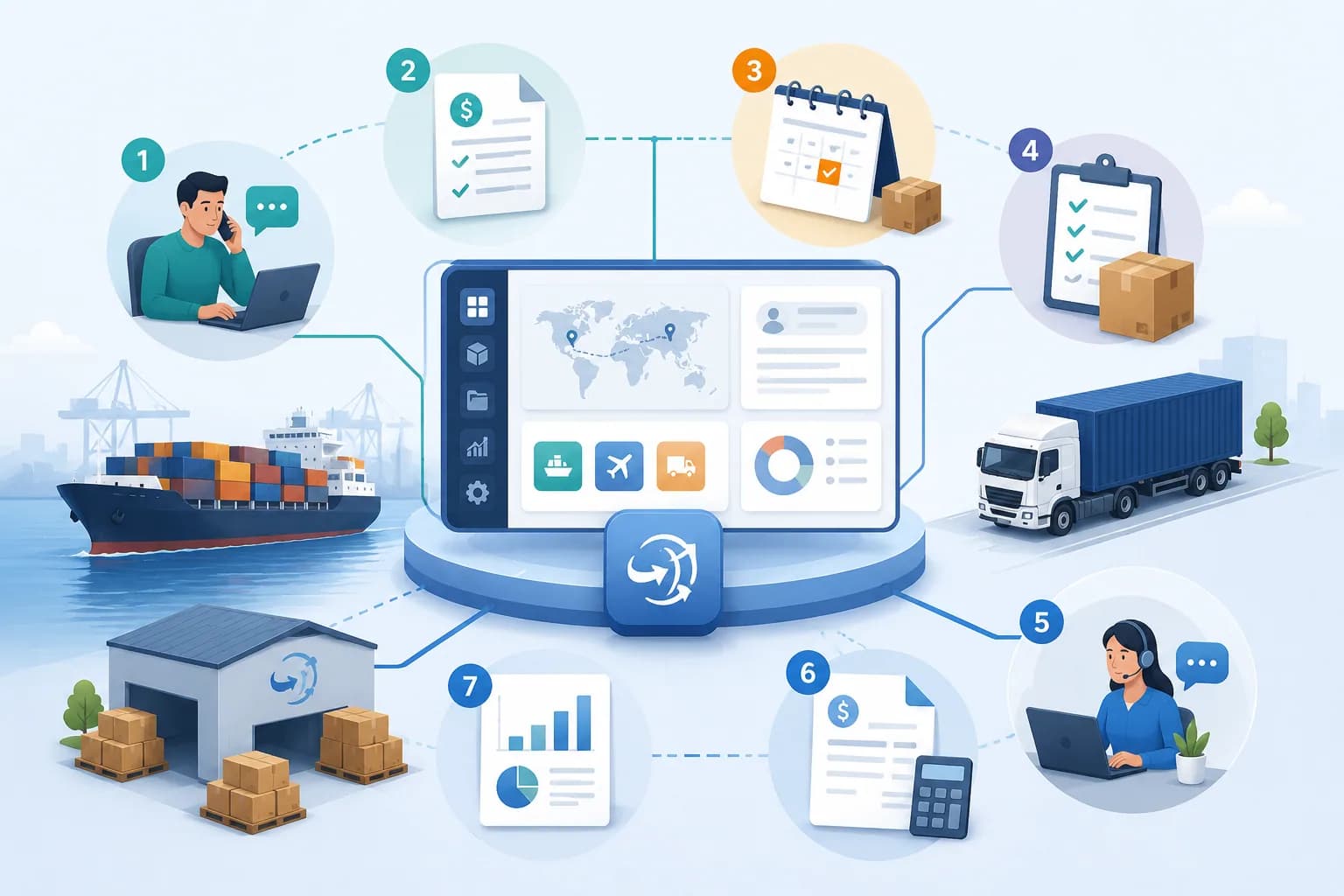
Freight forwarding operations software for SMEs is a system that helps forwarders manage the workflow from customer request to quotation, booking, shipment execution, service follow-up, billing, and reporting.
Managing the Full Forwarding Workflow
A freight forwarding job usually moves through several stages. A customer request may become a quotation. The quotation may become a job order. The job order may connect with booking, shipment, service tasks, cost lines, invoice records, receivables, payables, and reports. If these records are managed separately, the company may complete the shipment but still struggle to confirm costs, issue invoices, or review profit.
Why SMEs Need a Connected Record
SME forwarders often operate with small teams where one person may handle several responsibilities. This can work when shipment volume is low. As the company grows, the team needs a connected record that sales, operations, documentation, pricing, accounting, and management can all follow. This reduces repeated data entry, unclear handover, and manual report rebuilding.
Why Do SME Forwarders Need Operations Software?
SME forwarders need operations software because manual job control becomes unreliable when clients, quotations, bookings, shipments, services, costs, invoices, and reports are stored in separate files.
Manual Work Creates Handover Gaps
Manual workflows often create gaps between teams. Sales may confirm a quotation, but operations may not receive the full service scope. Documentation may prepare shipment records, but accounting may still wait for charge items. A service may be completed, but the related cost may not be attached to the job. These gaps may not stop the shipment, but they make control, billing, and reporting harder.
Growth Increases Operational Complexity
As shipment volume increases, the company handles more customers, vendors, agents, carriers, routes, service types, and invoice records. More volume also means more handovers. Without a structured system, management may need to ask each department for separate updates before understanding the true status of a file.
Financial Review Depends on Clean Operations Data
Freight forwarding profit review depends on both revenue and cost records. If revenue is recorded in one file and cost is recorded somewhere else, management cannot review job profit confidently. Operations software helps keep the job context connected from quotation to shipment, service, invoice, and report.
What Workflows Should the Software Include?
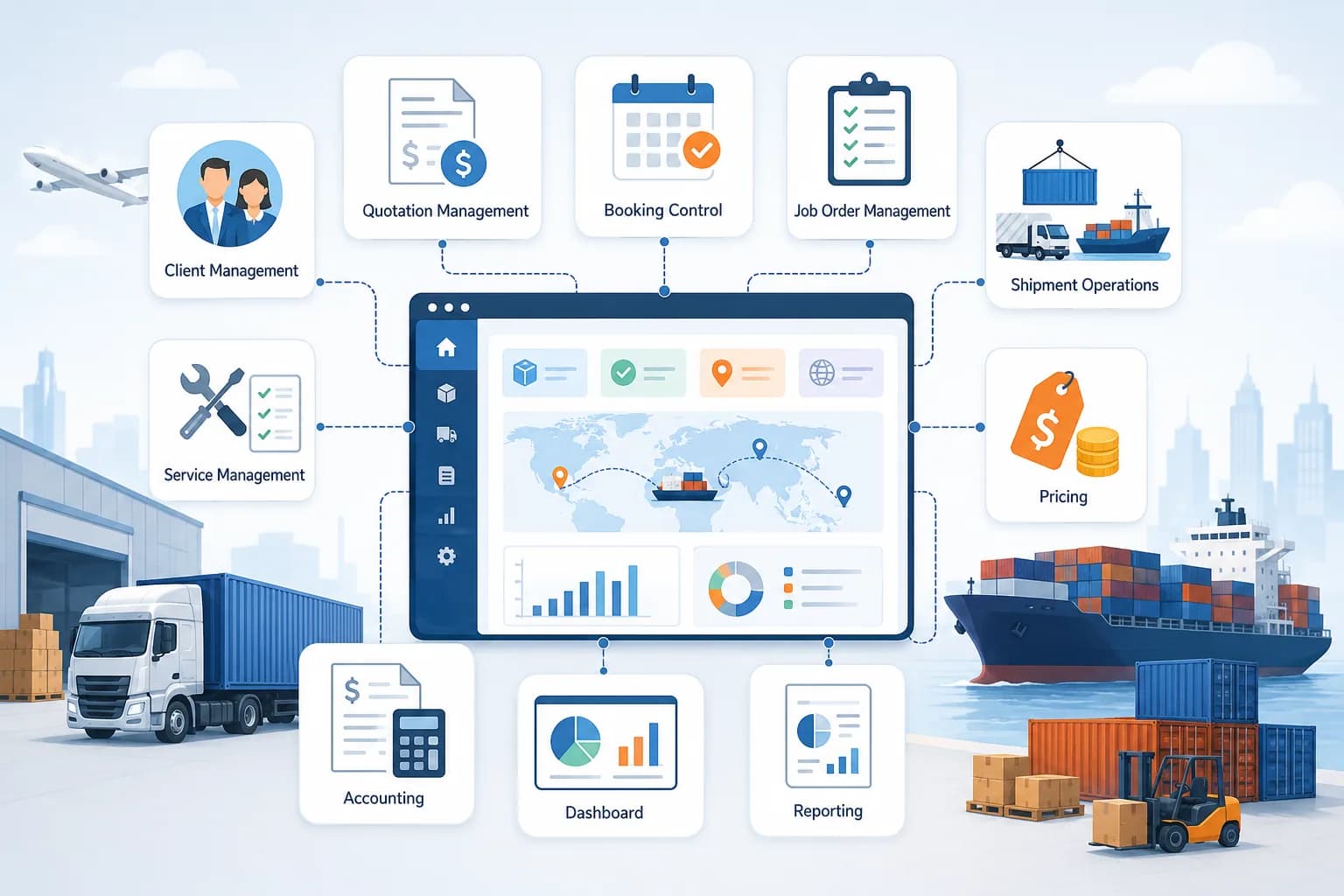
Freight forwarding operations software for SMEs should include client management, quotation management, booking control, job order management, shipment operations, service management, pricing, accounting, dashboard, and reporting.
Client and Partner Management
The system should store customers, vendors, overseas agents, shipping lines, airlines, trucking providers, warehouses, and service partners in one database. A clean client and partner database helps teams reuse the same information across quotations, job orders, shipments, invoices, and reports.
Quotation and Job Order Management
Quotation management helps sales teams prepare customer offers, manage freight charges, local charges, validity, currency, payment terms, and service scope. Job order management then connects approved commercial work with shipment, service, and accounting records. This connection helps reduce unclear handover from sales to operations.
Booking and Shipment Management
Booking and shipment management help teams track booking numbers, carriers, routes, container information, shipment numbers, house bills, consolidation data, import or export direction, delivery mode, related parties, shipment status, and operational notes. This gives the team a structured view of shipment execution.
Service Management
Freight forwarding jobs often include customs-related services, inland transport, handling, documentation, warehouse handling, delivery coordination, or other service items. Each service should be linked with status, cost, selling price, and billing readiness. This helps operations and accounting understand what work has been completed and what still needs follow-up.
How Should Pricing and Accounting Support SME Operations?
Pricing and accounting should support SME freight forwarding operations by connecting buying rates, selling prices, cost records, invoices, receivables, payables, spending requests, and profit reports with the correct job or shipment.
Pricing and Cost Control
Pricing data should help teams manage buying rates, selling prices, carrier costs, route-based rates, container-based rates, service costs, and quotation references. When pricing data is connected with job and shipment records, the company can review revenue and cost with clearer context.
Invoice and Receivable Control
Accounting should help teams create invoices from job, shipment, and service records. It should also help track accounts receivable, customer debt, invoice status, payment follow-up, and billing readiness. This helps finance avoid working from disconnected job notes.
Payable and Spending Request Control
Freight forwarding teams also need control over vendor costs, payables, and spending requests. A spending request should show which job, shipment, service, vendor, or cost item created the need for payment. This improves cost traceability and helps management review financial records with operational context.
How Does Apollogix FMS Support SME Forwarders?
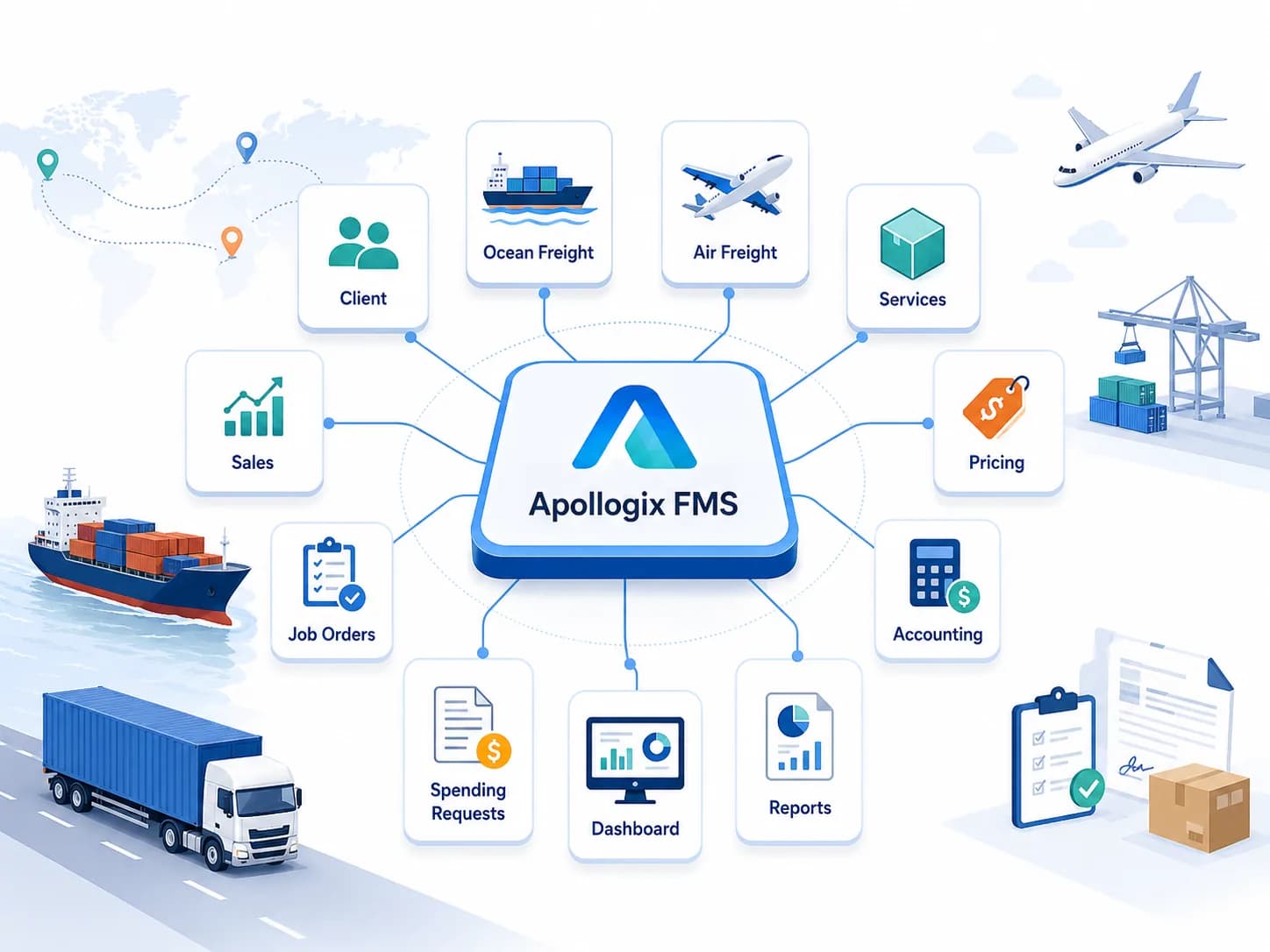
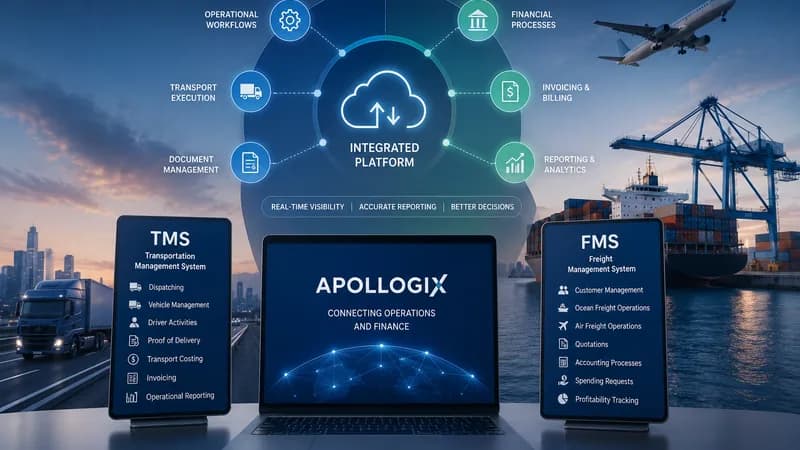
Apollogix FMS supports SME forwarders through connected workflows for client management, ocean freight, air freight, services, sales, job orders, pricing, accounting, spending requests, dashboard, and reports.
Client, Sales, and Job Order Workflow
Apollogix FMS helps teams manage client data, sales activities, quotations, and job orders. Job orders can connect commercial information with shipment, service, and accounting data, giving SME forwarders a clearer way to manage each file from approval to execution.
Ocean Freight, Air Freight, and Service Operations
Apollogix FMS supports ocean freight, air freight, and service workflows. This helps forwarders manage shipment records, freight information, service tasks, operational status, and related data in one structure. The system is suitable for teams that need to manage multiple shipment types and service activities.
Accounting, Dashboard, and Reporting
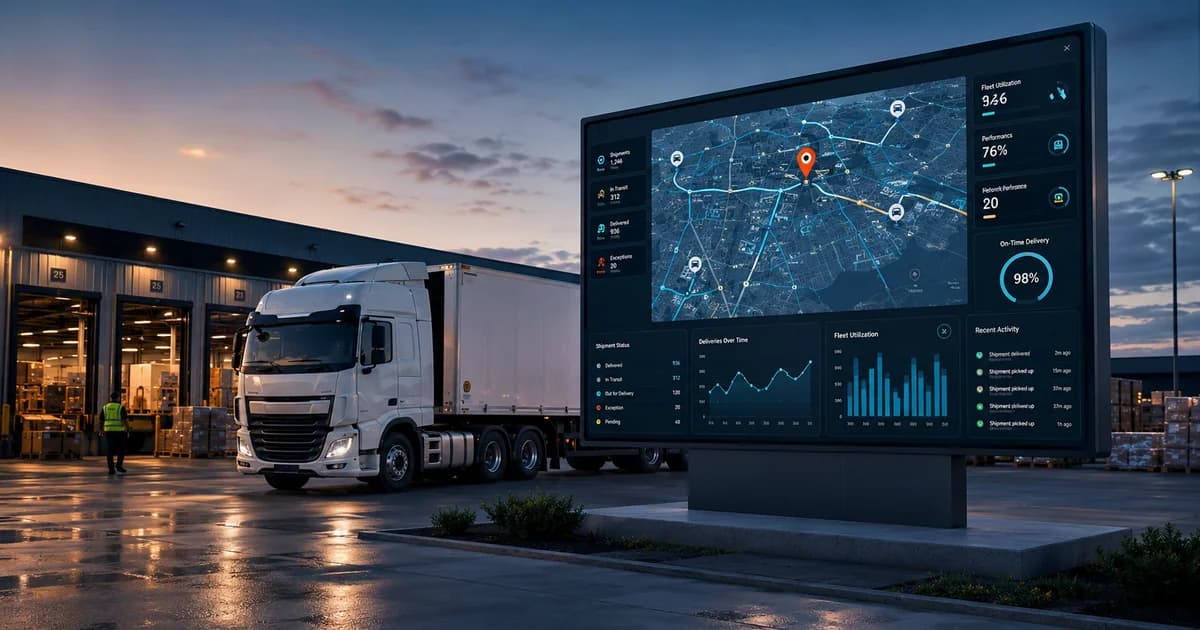
Apollogix FMS connects operational data with accounting, dashboard, and reporting workflows. This helps teams review invoices, receivables, payables, spending requests, revenue, cost, profit, customer activity, route performance, shipment volume, and service workload from connected records.
What Reports Should SME Forwarders Review?
SME forwarders should review reports that connect shipment volume, job status, service workload, revenue, cost, profit, customer performance, route performance, sales performance, and billing readiness.
Shipment and Job Reports
Shipment and job reports help management review active jobs, completed shipments, draft records, pending service tasks, and job order status. These reports help the company understand whether daily operations are moving normally or waiting for action.
Revenue, Cost, and Profit Reports
Revenue, cost, and profit reports help leaders review financial performance by job, shipment, customer, route, or sales owner. These reports are useful only when cost and revenue records are linked to the correct operational file.
Customer and Route Reports
Customer and route reports help management understand which customers, lanes, and service types create the most workload and revenue. This supports better commercial planning and operational resource planning.
Handover and Billing Readiness Reports
Handover and billing readiness reports help teams identify files that are completed operationally but not ready financially. These may include shipments missing cost confirmation, services missing billing data, invoices not created, or receivables needing follow-up.
When Does an SME Forwarder Need This Software?
An SME forwarder needs freight forwarding operations software when job volume, shipment complexity, service activity, invoice workload, and reporting needs become difficult to manage manually.
Job Volume Is Increasing
When job volume grows, the company must manage more customers, quotations, bookings, shipments, services, costs, and invoices. Manual tracking becomes less reliable.
Several Teams Work on the Same File
When sales, operations, documentation, pricing, and accounting all touch the same job, a shared system becomes important. It helps reduce duplicate updates and unclear responsibility.
Billing and Profit Review Take Too Long
If invoices are delayed after shipment completion, or if profit reports require manual checking across several files, the company needs stronger connection between operations and accounting.
Management Reports Are Hard to Prepare
If management reports require manual consolidation from spreadsheets, emails, and department updates, the company needs a structured FMS reporting workflow.