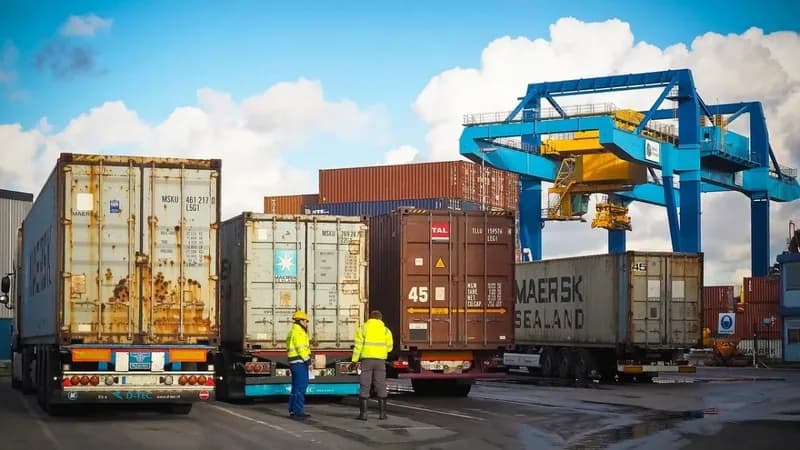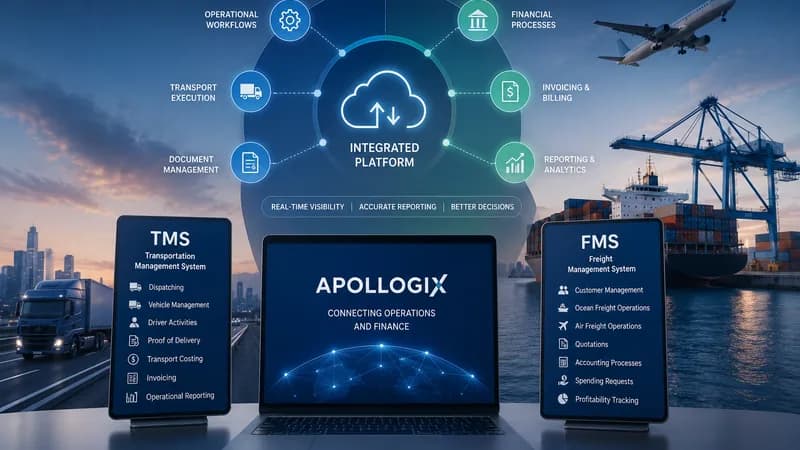
Garage management for supply chain is the process of managing vehicle readiness, trailer availability, faulty reports, maintenance schedules, and repair follow-up inside transport operations. In this article, garage does not mean a warehouse or inventory storage area. It refers to the workshop or fleet service function that keeps trucks, prime movers, trailers, and equipment ready for daily transport jobs. For transport companies, garage management directly affects dispatch planning, customer delivery, safety control, and job cost. When a vehicle is marked faulty too late, the issue can move from the garage into the customer delivery schedule. A structured workflow helps managers see which equipment is ready, which item needs repair, and which job may be affected.
What Is Garage Management in Supply Chain?
Garage management in supply chain is the control process for vehicles, trailers, repair issues, maintenance schedules, and equipment status that support transport execution.
A practical definition for transport teams
In a transport business, the garage is not just the place where vehicles are parked or repaired. It is a control point for fleet availability. Every transport job depends on whether the right truck, trailer, or equipment combination is ready at the right time.
Garage management includes recording vehicle information, equipment type, operating status, weight data, registration details, and maintenance history. It also includes tracking faulty reports when drivers, workshop teams, or operations teams identify a defect. The status of each issue should be clear, such as to do, in progress, or done.
This matters because transport planning depends on trusted equipment data. If operations teams assign a truck that is already faulty, the job can be delayed before it starts. If maintenance history is not visible, the business may miss recurring issues. If repair cost is not recorded, management cannot see how garage activity affects job profitability.

Why Garage Management Matters to Supply Chain Operations
Garage management matters to supply chain operations because vehicle issues can interrupt job planning, delivery timing, cost control, and customer service.
The risk is hidden until equipment fails
Many transport delays do not start with the customer order. They start with equipment readiness. A truck may be assigned to a job before the workshop has closed a defect. A trailer may not be available when the container is ready for pickup. A maintenance task may be delayed because no one has reviewed the due date. These issues can create dispatch changes, waiting time, failed pickup, late delivery, and extra cost.
For COOs, garage management supports fleet utilization and operational visibility. It helps the business understand which vehicles are ready, which assets should not be assigned, and which repair issue may affect the next transport plan. For CFOs, garage management supports cost control because repair cost, maintenance cost, and downtime can affect the true cost per job.
A structured garage workflow gives management a better way to connect workshop activity with transport planning. It also helps teams reduce repeated calls between operations, workshop, and management when equipment status changes.
How Garage Management Works in a TMS Workflow
Garage management works in a TMS workflow by connecting equipment records, faulty reports, maintenance plans, transport jobs, driver updates, and reporting data.
From equipment record to transport decision
A Transportation Management System, or TMS, can support garage management by keeping equipment data connected to operations. The process starts with equipment records. Each vehicle, trailer, or combination can have its own code, name, type, sub type, operating status, weight details, and registration information.
When an issue occurs, the team can create a faulty report. The report can record the date, reason, defect notice, progress status, closing information, remark, and related equipment. This gives the workshop and operations team a common record instead of relying only on informal messages.
Maintenance planning adds another layer of control. The system can help teams record scheduled maintenance, track service history, record maintenance cost, and review equipment condition over time. When this information connects with transport jobs and operation planning, managers can avoid assigning equipment that should be held for repair.
The value comes from connection. Garage data should not stay separate from dispatch planning. It should help the business decide which asset can be used safely and which asset needs attention.

What Data Should a Garage Management Workflow Include?
A garage management workflow should include equipment profile, operating status, faulty report, defect reason, repair progress, maintenance schedule, service history, and cost record.
The core fields that reduce confusion
The first group of data is equipment profile data. This includes vehicle code, trailer code, equipment type, sub type, registration information, weight information, and active status. These fields help operations identify the right asset and understand whether it can be used for a job.
The second group is defect data. This includes faulty report date, reason, defect notice, progress status, closing person, closing time, remark, and any clearance document. These fields help managers see whether an issue is still open or already closed.
The third group is maintenance data. This includes scheduled service, maintenance history, repair cost, due-date reminder, and condition review. These records help the workshop team manage service work before equipment condition affects transport operations.
The fourth group is reporting data. Management should be able to review equipment status, repair frequency, maintenance cost, job impact, and report filters by time or business area. This gives leaders a clearer view of how garage activity supports the wider supply chain.
Which Businesses Need Garage Management Most?
Businesses need garage management most when transport execution depends on many vehicles, trailers, drivers, maintenance tasks, and repair decisions.
The need grows with fleet complexity
Garage management is important for trucking companies, container transport operators, general freight carriers, and logistics service providers that run their own fleet or manage dedicated equipment. The need becomes stronger when the company has multiple vehicle types, trailer combinations, maintenance schedules, and daily transport jobs.
A small fleet can still face serious disruption if one key vehicle becomes unavailable. A larger fleet can lose control if equipment status is not updated quickly across operations and workshop teams. In both cases, the issue is not only repair. The issue is whether the business can see the impact of repair on dispatch, customer delivery, cost, and reporting.
Garage management also matters when equipment safety is part of service quality. A faulty asset should not be assigned just because operations lacks visibility. A clear workflow helps managers protect delivery performance, driver safety, and fleet readiness.