A garage management system for logistics helps transport companies manage vehicle readiness, trailer status, faulty reports, maintenance work, repair history, and related costs. In logistics, “garage” does not mean warehouse. It usually refers to the workshop or fleet maintenance function that keeps trucks, trailers, and combinations available for daily transport jobs. When garage data stays in paper forms, chat messages, or separate repair files, dispatchers may assign equipment that is not ready for use. This article explains what garage management should track in logistics and how Apollogix TMS connects equipment, maintenance, operation, accounting, and reporting in one workflow.
What Is a Garage Management System for Logistics?
A garage management system for logistics is a TMS workflow that controls the condition and maintenance status of vehicles, trailers, and equipment combinations used for transport operations. TMS means Transport Management System. In this context, the garage function is not a warehouse module and not an inventory module. It is the operational layer that helps a logistics company understand whether its fleet assets are ready, faulty, under maintenance, inactive, or available for assignment.
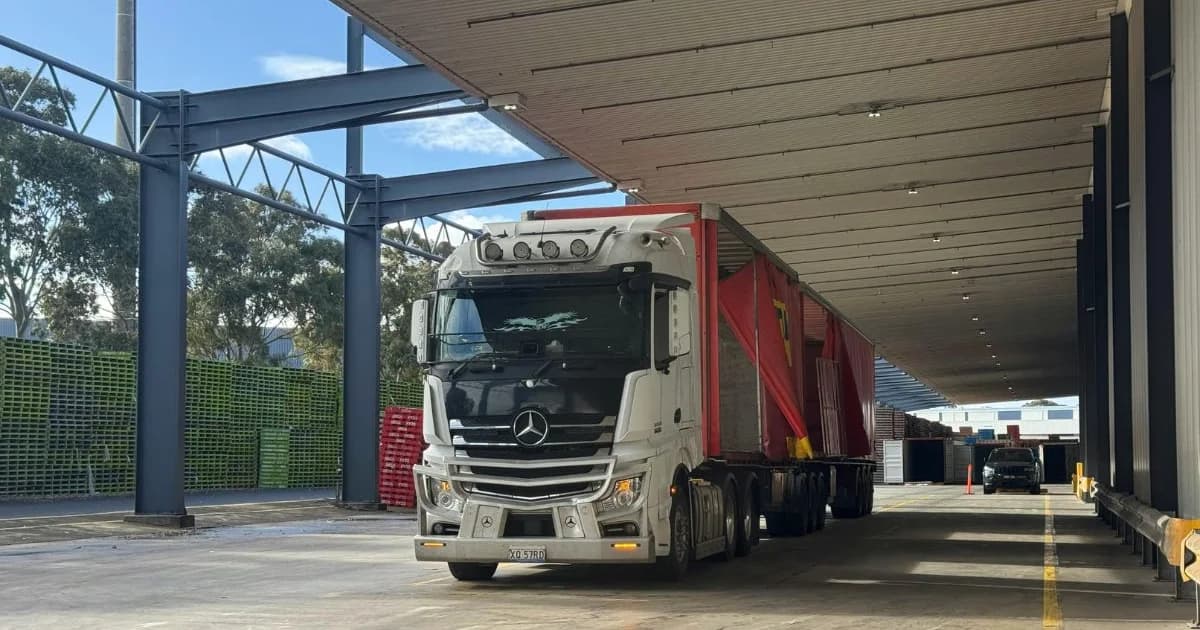
For a container trucking company, this matters before every dispatch decision. A dispatcher may have a transport job ready, a customer waiting, and a driver available. But if the assigned prime mover or trailer is not safe or not active, the trip can be delayed before it starts. Garage management gives the team a shared record of equipment status so operations does not depend only on memory or phone calls.
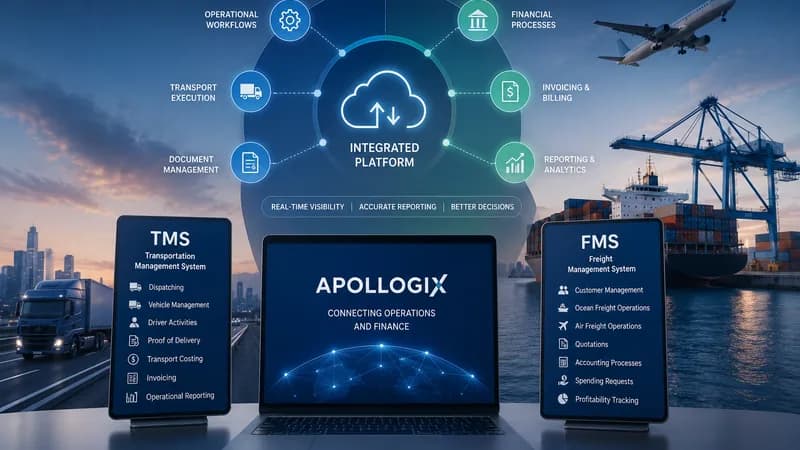
In Apollogix TMS, this work is handled through Equipment Management, Faulty Report, Maintenance, Operation, Dashboard, Accounting, and Report. The system helps connect fleet readiness with the transport job workflow instead of treating repair work as a separate back-office activity.
How Is Garage Management Different From Warehouse Management?
Garage management is different from warehouse management because it controls fleet assets, not stored goods. A warehouse management system focuses on stock, bin location, picking, packing, receiving, and inventory movement. A garage management system focuses on vehicles, trailers, combinations, defects, maintenance schedules, service history, and repair costs.
This difference matters because the original keyword can be misunderstood. “Garage” in a logistics operation should not be translated as “warehouse” or “kho”. For trucking and container transport businesses, garage is closer to workshop, fleet maintenance, or vehicle service management. It is the team responsible for keeping transport equipment ready for daily jobs.
When the article treats garage management as warehouse management, the content moves away from Apollogix TMS and becomes inaccurate. Apollogix TMS does not position garage management as storage or inventory control. It supports the operational connection between Transport Job, Operation, Driver, Equipment, Faulty Report, Maintenance, Accounting, and Report. The correct angle is fleet readiness for logistics operations.
What Data Should a Garage Management System Track?
A garage management system for logistics should track equipment records, operating status, faulty reports, maintenance plans, repair history, and cost data. Equipment records should include code, name, equipment type, subtype, and key technical information used by the dispatch team. For a transport company, these records may include prime movers, trucks, trailers, and vehicle-trailer combinations.
Operating status is the first control point. Dispatchers need to know whether equipment is good, faulty, inactive, or unavailable before assigning it to a trip. If this status is not visible in the same workflow as planning and allocation, the team may only discover the issue after calling the driver or workshop.
Faulty reports are the second control point. A defect should become a trackable record with reason, progress status, attachment, remark, and closing information. This helps the workshop and operations teams understand whether the equipment can return to service.
Maintenance is the third control point. The system should record scheduled maintenance, service history, repair actions, and maintenance cost. This helps managers see the connection between equipment condition and transport performance.
How Does Garage Management Connect With Transport Operations?
Garage management connects with transport operations by preventing dispatch plans from ignoring equipment readiness. A transport job is only executable when the customer request, driver schedule, vehicle, trailer, route, and operational timing work together. If one part is missing, the job can still appear planned in the office while the field team cannot execute it.
This is why equipment data should not stay outside the TMS workflow. In Apollogix TMS, Operation is the working area where the team plans daily transport, allocates trips, assigns drivers, and connects jobs with equipment. Equipment Management then provides the asset record behind that plan. Faulty Report and Maintenance show whether the selected asset can be used.
This connection is especially important for companies that run container transport. A container trip may require a specific trailer, a valid vehicle registration, the right equipment combination, and a driver schedule that matches the ready time. When the garage record is connected to planning, dispatchers can make a better assignment based on current equipment status.
The result is a clearer workflow between operations and workshop. Operations sees which assets are ready. Workshop sees which defects or maintenance tasks affect dispatch. Management sees the operational impact of fleet issues.
How Should Accounting and Reporting Use Garage Data?
Accounting and reporting should use garage data to connect repair activity with transport cost control. Vehicle faults and maintenance work are not only technical issues. They also affect job cost, trip performance, invoice timing, and management reporting. If repair data stays outside the transport system, the company may know that a vehicle was fixed but not how that issue affected daily operations.
In Apollogix TMS, Accounting supports revenue by job or trip, transport cost, extra charges, accounts receivable, accounts payable, and connection with Rate and Transport Job data. When garage-related costs are recorded in the same operating structure, managers can review whether equipment issues are creating repeated cost pressure.
Reporting also needs garage data. A logistics company should be able to review jobs, containers, trips, customers, routes, drivers, equipment, and accounting information across a selected period. Garage management becomes more useful when it helps management answer practical questions: which equipment creates repeated defects, which maintenance tasks are still open, which trips were affected by equipment status, and which costs should be reviewed.
A garage management system for logistics should therefore support both daily control and management review. It helps teams handle the immediate issue and preserve the record for later analysis.