A supply chain solution for trucking companies is a system that helps transport teams manage how jobs, containers, drivers, vehicles, costs, and customer updates move through daily operations. In trucking, supply chain work is not only about moving cargo from point A to point B. It also includes transport job creation, planning, allocation, driver updates, equipment control, billing, and reporting. When these steps are handled through spreadsheets, phone calls, and separate chat groups, managers lose visibility across the operation. This article explains what a supply chain solution should track for trucking companies and how Apollogix TMS supports the workflow.
What Does a Supply Chain Solution Mean for Trucking Companies?
A supply chain solution for trucking companies means a transport management system that connects daily transport work into one operating workflow. For a trucking company, the supply chain starts before a truck moves. It begins when the team receives a transport request, creates a Transport Job, enters customer and container details, plans the trip, assigns the driver, tracks execution, records proof of delivery, and prepares billing.
The main problem is that these steps often sit in different places. Customer information may be stored in one file. Job details may be tracked in Excel. Dispatchers may assign work through phone calls. Drivers may update status through messaging apps. Accounting may wait until the end of the trip to confirm charges. This creates a delay between what happens on the road and what the office can see.
A proper supply chain solution reduces that gap. It gives operations, drivers, equipment teams, accounting, and management a shared record of the job. In Apollogix TMS, this workflow is supported through modules such as Client, Transport Job, Operation, Equipment Management, Accounting, Report, Driver App, Dashboard, Administration, and System Setting.

Why Do Trucking Companies Need Better Supply Chain Control?
Trucking companies need better supply chain control because manual coordination makes it harder to track job status, driver progress, equipment readiness, and billing accuracy. A transport job can change many times before completion. A container may become available later than expected. A driver may need a new allocation. A trailer may be marked faulty. A customer may ask for an updated delivery status. If every update depends on a phone call, the team reacts late.
This is why visibility matters. Visibility does not only mean seeing a vehicle location. It means seeing the current state of the whole transport workflow. Managers need to know which jobs are new, active, closed, or still in draft. Dispatchers need to know which trips are planned for the day. Drivers need to know their assigned schedule. Workshop or equipment teams need to know whether a vehicle, trailer, or combination is ready to use. Accounting needs to know which cost and invoice records belong to each job.
A supply chain solution helps connect these details. It reduces the need to rebuild information from separate messages. It also gives managers a clearer view of operational risk before the issue reaches the customer.
What Should the System Track From Job to Trip Execution?
The system should track the full movement from Transport Job to Operation, Allocation, Driver update, and final reporting. Transport Job is the control record for the customer request. It should include job number, job status, job type, customer reference, vessel or voyage details when relevant, loading and discharge ports, available date, and customer information.
After the job is created, Operation becomes the working area for planning and dispatch. A trucking company needs to manage jobs by schedule date, allocate trips to drivers, assign vehicle and trailer resources, and follow progress by day. This is where transport planning becomes visible to the dispatch team instead of being hidden in a personal spreadsheet.
The next layer is driver execution. The Driver App should help drivers see their daily schedule, start work, follow assigned trips, update trip status, submit daily reports, and report vehicle or trailer issues. This is important because the driver is the first person who sees many operational exceptions on the road.
In Apollogix TMS, the connection between Transport Job, Operation, Driver App, Equipment Management, and Dashboard helps trucking teams keep job execution closer to the actual field activity.
How Does Equipment Management Support the Trucking Supply Chain?
Equipment management supports the trucking supply chain by showing whether vehicles, trailers, and combinations are ready for daily operation. A trucking company cannot control delivery performance if it only tracks customer jobs and ignores equipment status. A planned trip may fail if the assigned truck or trailer is inactive, faulty, or waiting for maintenance.
A good supply chain workflow should include vehicle and trailer records. These records should store code, name, equipment type, subtype, operating status, weight details, registration information, and other data needed for dispatch. Dispatchers should be able to understand whether an asset is usable before assigning it to a job.
Faulty reports and maintenance records are also part of the supply chain. When a driver or workshop team records a defect, the issue should not stay inside a chat message. It should become a trackable report with status, reason, attachment, remark, and closing information. Maintenance should also be tracked so the company can review service history and prepare vehicles for future trips.
This is why equipment data belongs inside the same TMS workflow. It connects transport demand with actual fleet readiness.
How Should Accounting and Reporting Connect to Trucking Operations?
Accounting and reporting should connect directly to transport jobs because trucking revenue and cost depend on what actually happens during the job. A transport company needs to record revenue by job or trip, capture transport costs, manage extra charges, create invoices, follow accounts receivable, and track accounts payable. If accounting works from a separate file, billing can become slower and less accurate.
This connection is especially important when customer billing depends on job details. Waiting time, demurrage-related handling, additional transport services, surcharges, and other charge items may depend on what happened during execution. The accounting team needs the operational record before it can prepare the right invoice.
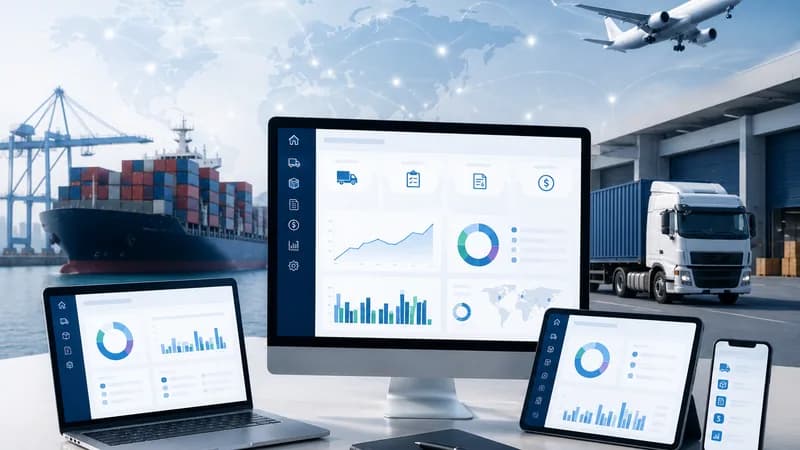
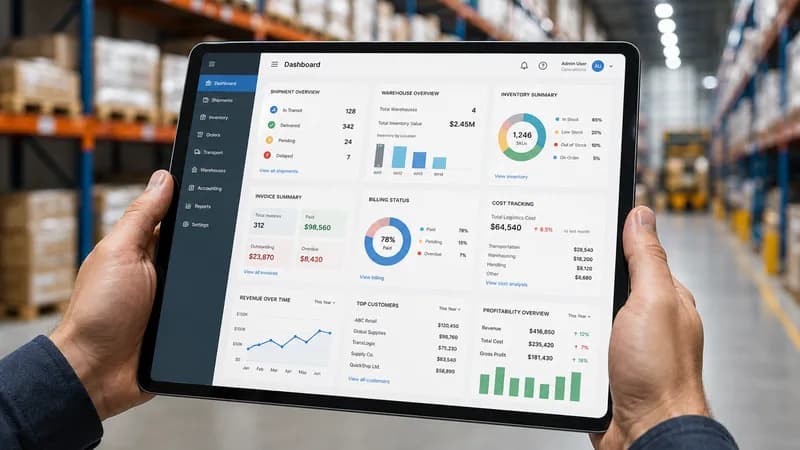
Reports also help management review performance without asking each department to prepare a manual update. A trucking company should be able to review job volume, container volume, trips, customers, routes, drivers, equipment, and accounting data across a selected time range. In Apollogix TMS, Dashboard and Report support this management view by consolidating operational and financial information into structured records.
The goal is not to add more reporting work. The goal is to make daily operating data reusable for billing, review, and management decisions.