The trucking industry continues to face increasing operational complexity as customer expectations rise and transportation networks become more demanding. Managing drivers, vehicles, routes, shipment schedules, customer communication, and regulatory compliance through manual processes can quickly create inefficiencies that affect both profitability and service quality.
Many trucking companies still rely on spreadsheets, phone calls, and disconnected systems to coordinate daily operations. While these methods may support small-scale operations, they often become difficult to manage as shipment volume increases. Delayed updates, inefficient route planning, limited shipment visibility, and resource shortages can negatively impact operational performance.
A Transportation Management System (TMS) provides a centralized platform that helps trucking companies streamline transport operations, improve visibility, and maintain better control over resources and costs.
Challenges Facing Modern Trucking Companies
Transportation businesses operate in an environment where efficiency directly affects customer satisfaction and profitability.
Driver and Resource Shortages
Finding and retaining qualified drivers remains a significant challenge for many trucking companies. Dispatchers must balance driver availability, vehicle readiness, delivery schedules, and customer requirements while ensuring efficient resource utilization.
Without a structured management system, scheduling conflicts and underutilized assets can become common operational problems.
Route Planning and Fuel Efficiency
Poor route planning can increase fuel consumption, vehicle wear, and delivery delays. As fuel costs continue to represent a major operating expense, optimizing routes becomes essential for maintaining competitiveness.
A TMS helps planners identify more efficient routes while improving delivery performance and reducing transportation costs.
Limited Shipment Visibility
Customers increasingly expect real-time information regarding shipment status and estimated delivery times. Without centralized visibility, customer service teams often spend valuable time gathering updates from drivers and dispatch personnel.
Improved shipment visibility enables faster communication and enhances the customer experience.
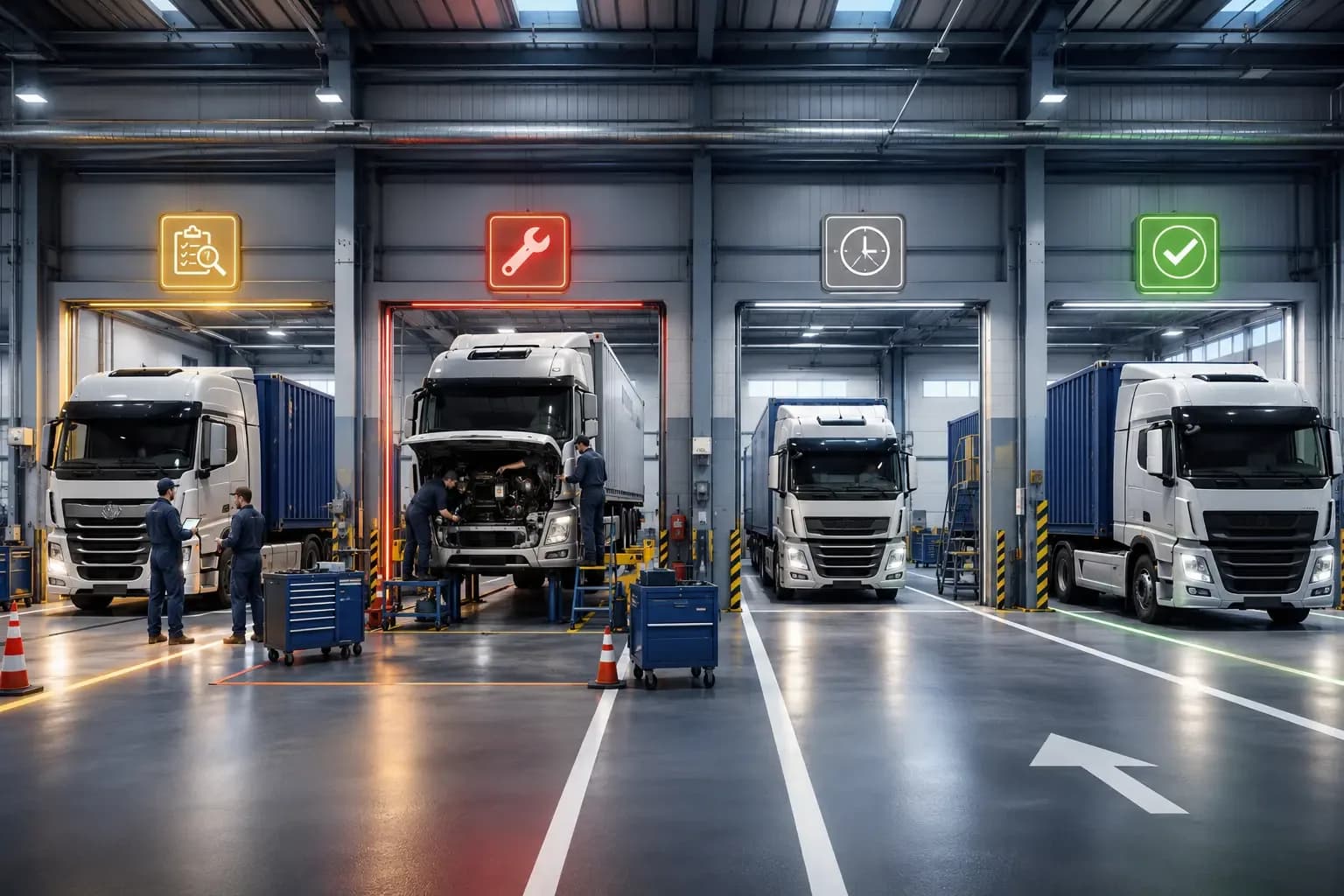
Core Components of a Logistics Solution for Trucking Companies
An effective logistics solution should support the complete transport lifecycle from planning to delivery and reporting.
Transport Planning and Dispatch Management
Transport planning involves organizing customer orders, assigning vehicles, scheduling drivers, and coordinating delivery activities. A centralized dispatch workflow helps reduce manual coordination and improves operational efficiency.
By maintaining all transport information within a single system, dispatchers can respond more quickly to schedule changes and operational disruptions.
Driver Management and Mobile Operations
Driver management capabilities allow businesses to track driver assignments, trip progress, working hours, and operational updates.
Mobile applications provide drivers with access to schedules, delivery instructions, status updates, and proof-of-delivery submission tools. This improves communication between field operations and office teams.
Shipment Tracking and Customer Visibility
Real-time shipment tracking allows businesses to monitor transport activities as they occur. Customers benefit from more accurate delivery information, while operations teams gain greater control over service performance.
This visibility helps reduce uncertainty and improves decision-making throughout the transportation process.
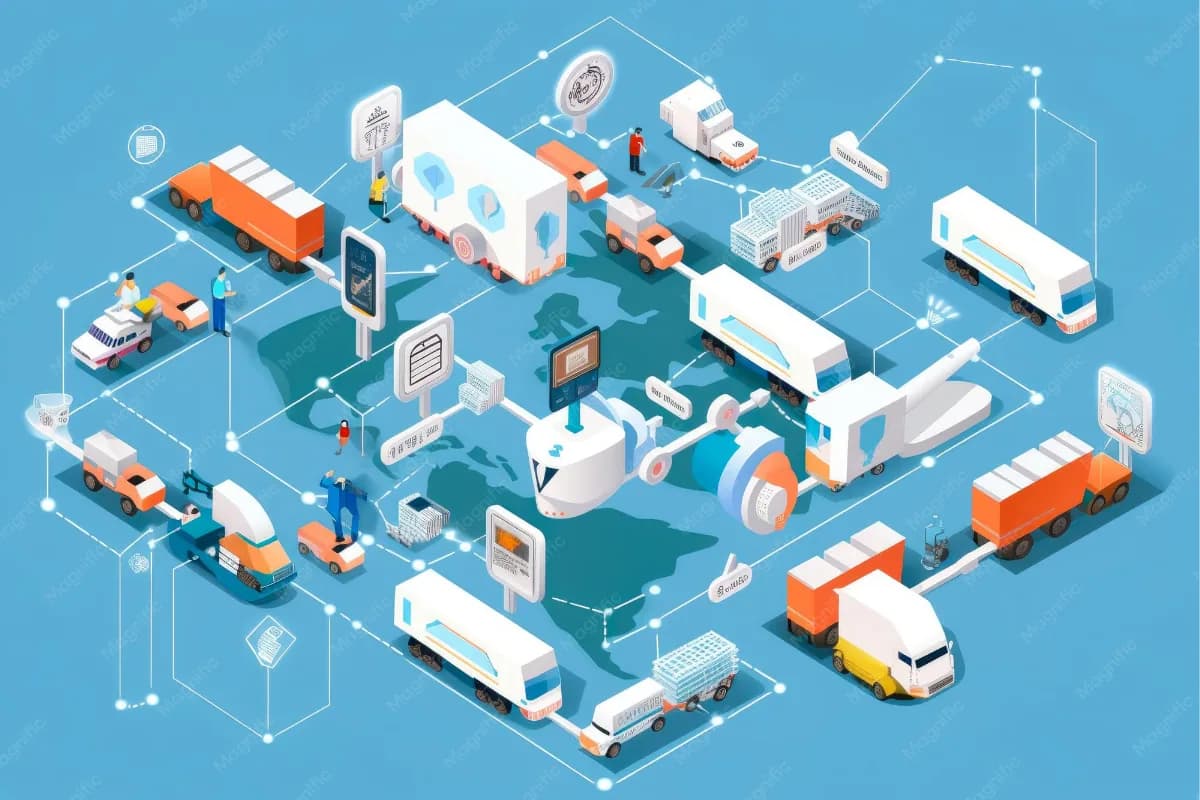
How Apollogix TMS Supports Trucking Operations
Apollogix TMS is designed to help transportation companies manage operational workflows through a connected platform that integrates planning, execution, monitoring, and reporting.
Centralized Transport Management
Apollogix enables transport teams to manage jobs, dispatch planning, route coordination, customer requirements, and operational updates from a single system.
This centralized approach improves information accuracy while reducing manual administrative work.
Driver Application Integration
The Apollogix Driver App allows drivers to receive assignments, update trip progress, report operational issues, and upload proof of delivery in real time.
By connecting drivers directly with office operations, businesses gain faster access to field information and improve communication across teams.
Reporting and Performance Monitoring
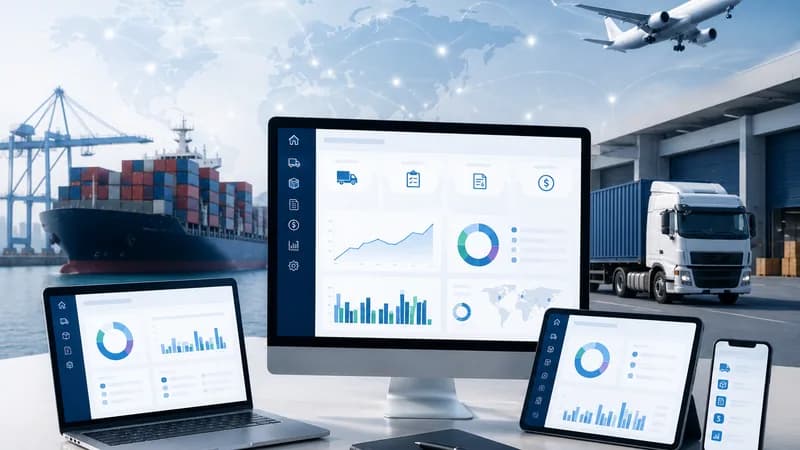
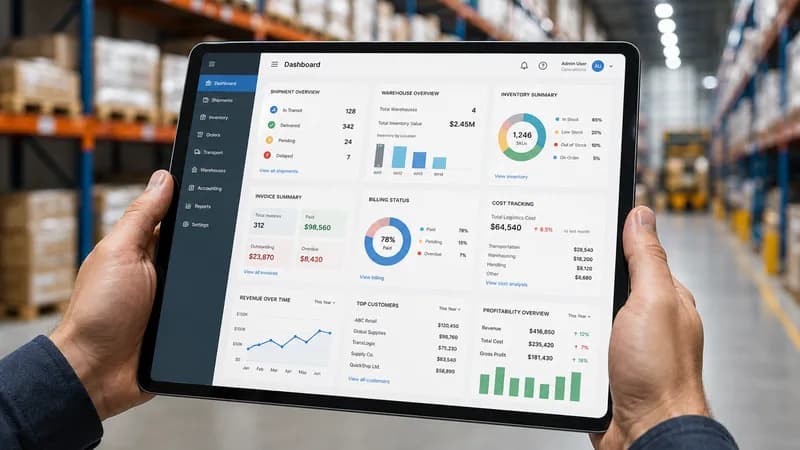
Operational dashboards and reporting tools provide visibility into transport activities, delivery performance, fleet utilization, and business outcomes.
Management teams can use these insights to identify operational improvements and support long-term business growth.

Improving Efficiency Through Digital Logistics Management
As transportation operations grow, trucking companies require systems that provide greater visibility, stronger operational control, and more efficient resource management.
A Transportation Management System helps organizations improve planning accuracy, optimize resource utilization, enhance customer communication, and support regulatory compliance. By connecting dispatch operations, driver activities, shipment visibility, and reporting within a unified platform, trucking companies can improve operational performance while creating a stronger foundation for future growth.