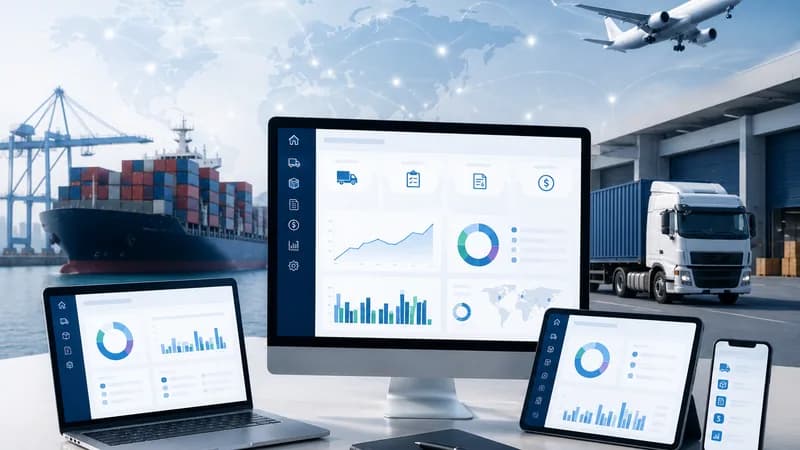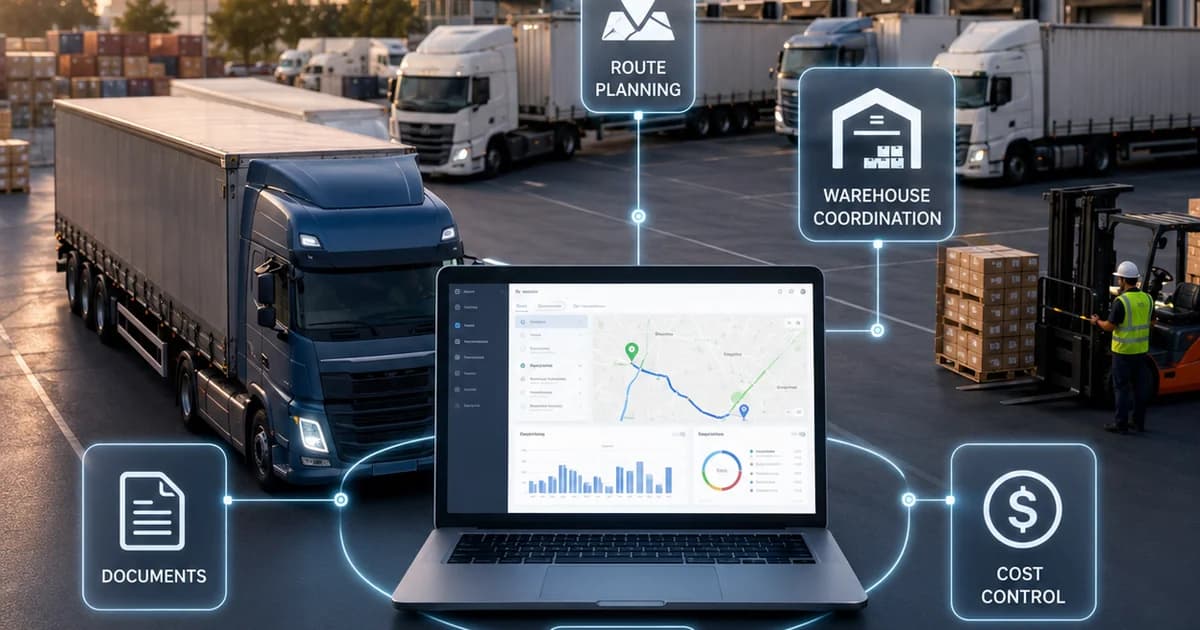
As transport operations become increasingly complex, trucking companies require more than basic dispatching tools to remain competitive. A modern supply chain solution helps connect customer requests, transport planning, driver activities, equipment management, delivery confirmation, invoicing, and reporting into a single workflow.
Many trucking businesses still rely on spreadsheets, phone calls, messaging groups, and disconnected software applications. While these methods may work at a smaller scale, they often create operational bottlenecks as shipment volume grows. Missing updates, delayed billing, equipment availability issues, and limited visibility can quickly affect service quality and profitability.
A Transportation Management System (TMS) provides a structured platform that helps trucking companies manage the complete transport lifecycle while maintaining better control over daily operations and business performance.
Why Supply Chain Visibility Matters for Trucking Companies
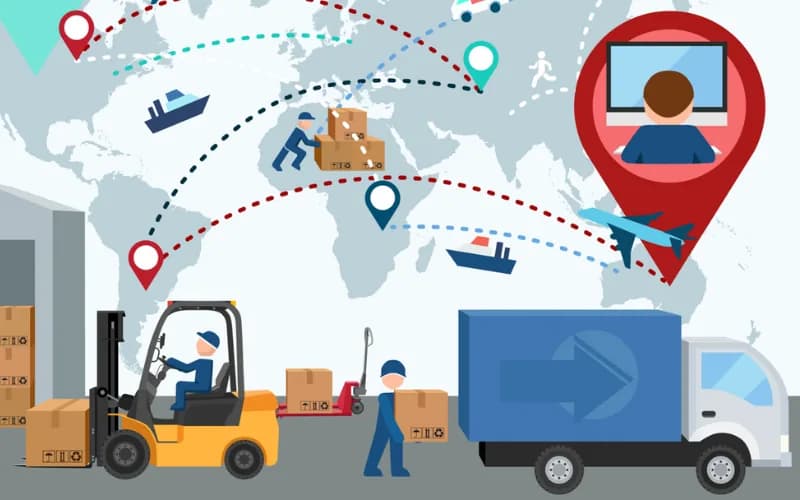
Supply chain management within a trucking company extends beyond moving freight from one location to another. Every transport job involves multiple stakeholders, including customers, dispatchers, drivers, warehouses, depots, ports, and accounting teams.
Connecting Operations from Order to Delivery
When transport information is stored across different systems, teams often spend significant time searching for updates or reconciling data. A customer order may be confirmed, but dispatch may not have visibility into available equipment. A trip may be completed, but accounting may still be waiting for proof of delivery before generating an invoice.
A connected TMS helps eliminate these gaps by providing a centralized source of information. Every transport job can be tracked from creation through planning, execution, delivery confirmation, and financial settlement.
Improving Customer Service Through Real-Time Information
Customers expect accurate delivery updates and timely communication. Dispatchers need immediate access to trip status, driver updates, exceptions, and proof of delivery to answer customer inquiries effectively.
With real-time visibility, businesses can improve customer satisfaction while reducing the administrative effort required to collect information from multiple sources.
Core Components of a Trucking Supply Chain Solution
An effective supply chain solution for trucking companies should connect operational execution with management reporting and financial control.
Transport Job and Dispatch Planning
Transport Jobs serve as the operational foundation of a trucking business. These records contain customer information, route details, container data, pickup and delivery requirements, service schedules, and operational status.
Dispatch planning transforms transport requests into executable trips. By assigning vehicles, trailers, and drivers through a structured workflow, dispatch teams can optimize resource utilization while minimizing conflicts and scheduling issues.
Driver Management and Proof of Delivery
Driver activities play a critical role in transport execution. Mobile applications allow drivers to receive schedules, update trip progress, report exceptions, and submit proof of delivery directly from the field.
Proof of Delivery (POD) is particularly important because it connects operational completion with customer confirmation and billing readiness. A digital POD process helps reduce paperwork while improving invoice processing speed.
Equipment and Fleet Readiness
Transport capacity depends heavily on vehicle and trailer availability. Fleet management functions help businesses monitor equipment status, maintenance schedules, fault reports, and operational readiness.
When dispatch teams have access to accurate equipment information, they can make better planning decisions and avoid assigning transport jobs to unavailable assets.
How Apollogix TMS Supports Trucking Supply Chain Operations
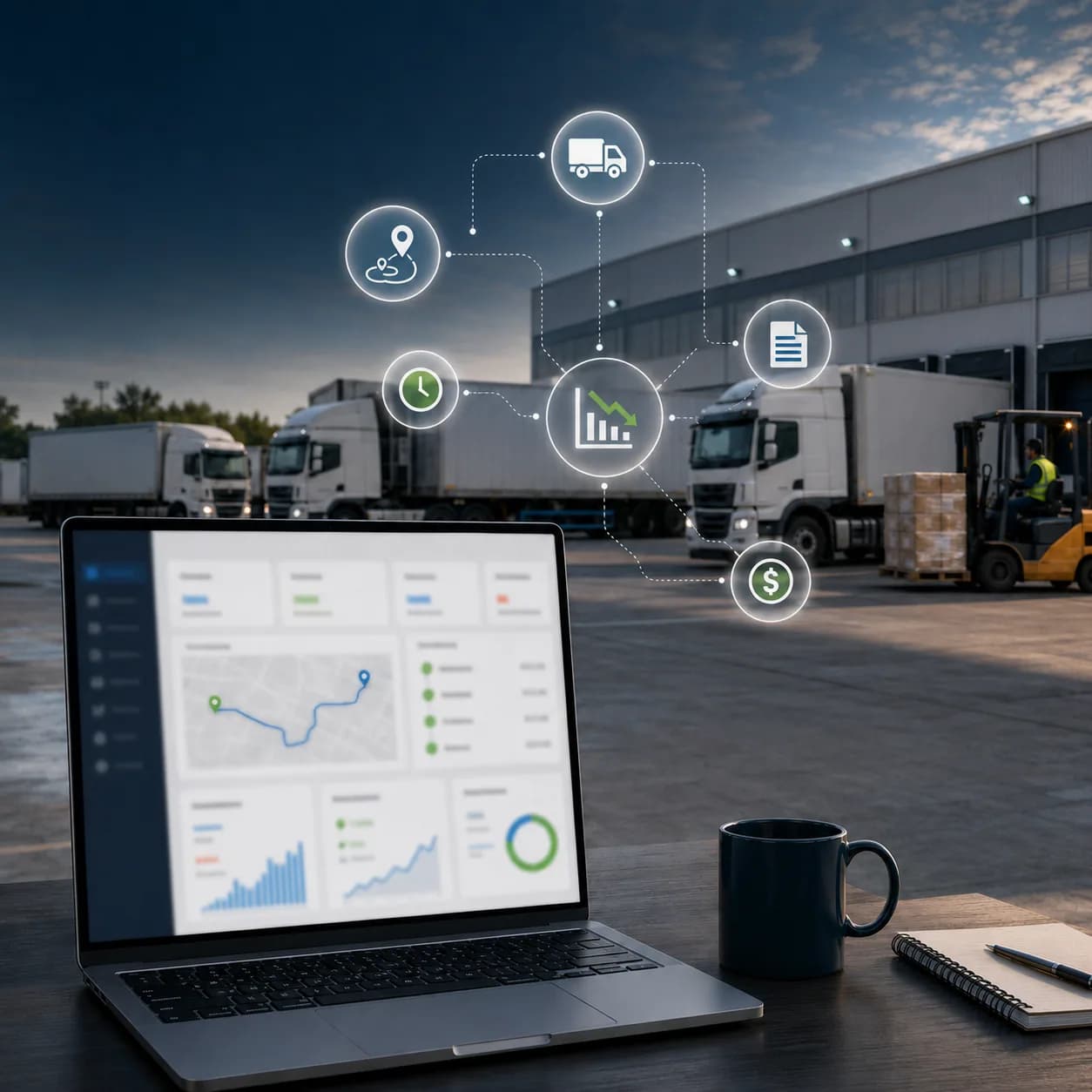
Apollogix TMS is designed to support transport companies by connecting operational workflows across planning, execution, accounting, and reporting.
Integrated Transport Operations
The system allows users to manage Transport Jobs, trip planning, dispatch allocation, customer requirements, route information, and operational updates from a centralized platform.
This reduces manual coordination between departments and improves consistency across daily operations.
Driver App and Operational Visibility
The Apollogix Driver App enables drivers to receive assignments, submit updates, report issues, and upload proof of delivery in real time.
By connecting field operations directly to the office environment, companies gain better visibility into trip progress while improving communication between drivers and dispatch teams.
Reporting and Financial Control
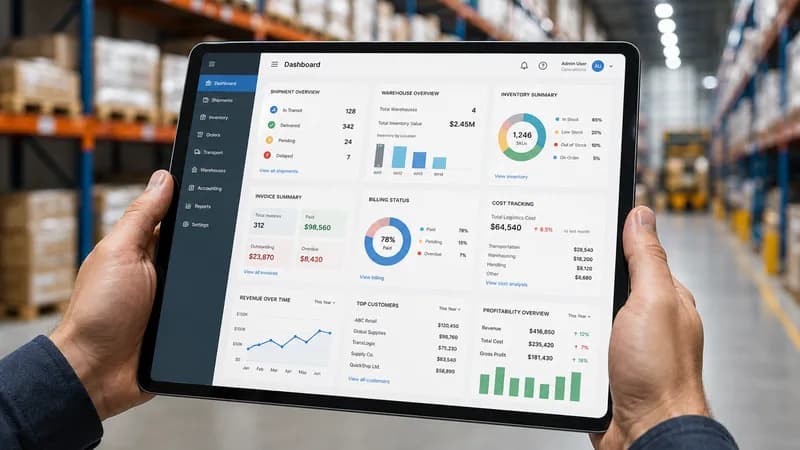
Apollogix TMS also supports accounting workflows, operational dashboards, and management reporting. Information related to invoices, receivables, payables, costs, and operational performance can be reviewed alongside transport activities.
This connection helps management understand how operational performance impacts revenue, profitability, and customer service outcomes.

Building a More Connected Trucking Business
As transport volumes increase, trucking companies need systems that provide greater visibility, stronger operational control, and more reliable reporting. A modern supply chain solution supported by TMS technology helps organizations manage transport execution more efficiently while improving communication between operations, drivers, customers, and finance teams.
By connecting planning, equipment management, delivery confirmation, accounting, and reporting within a unified platform, businesses can reduce manual processes, improve decision-making, and support long-term growth in a competitive logistics environment.