For trucking companies, supply chain management is closely tied to daily transport execution. Every customer request must be translated into transport jobs, trip schedules, driver assignments, equipment allocation, delivery confirmation, and billing activities. As operations grow, managing these activities through spreadsheets, emails, and phone calls often creates information gaps and delays.
A Transportation Management System (TMS) helps trucking companies connect operational and administrative processes into a single workflow. This allows teams to manage transport activities more consistently while maintaining visibility across jobs, trips, equipment, and financial records.
Understanding Supply Chain Requirements in Trucking Operations
Unlike manufacturing supply chains that focus on inventory movement, trucking companies focus on coordinating transport resources and execution activities.
Multiple Stakeholders Involved in Every Job
A single transport job may involve customers, warehouses, depots, ports, drivers, vehicles, trailers, and accounting teams. Each party contributes information that affects planning and execution.
Without a connected system, important updates may remain isolated within departments, making coordination more difficult.
Operational Activities Change Continuously
Transport schedules can change due to customer requests, equipment availability, traffic conditions, or delivery requirements. Dispatch teams need access to current information in order to make timely decisions and maintain service quality.
Core Processes Within a Trucking Supply Chain Solution
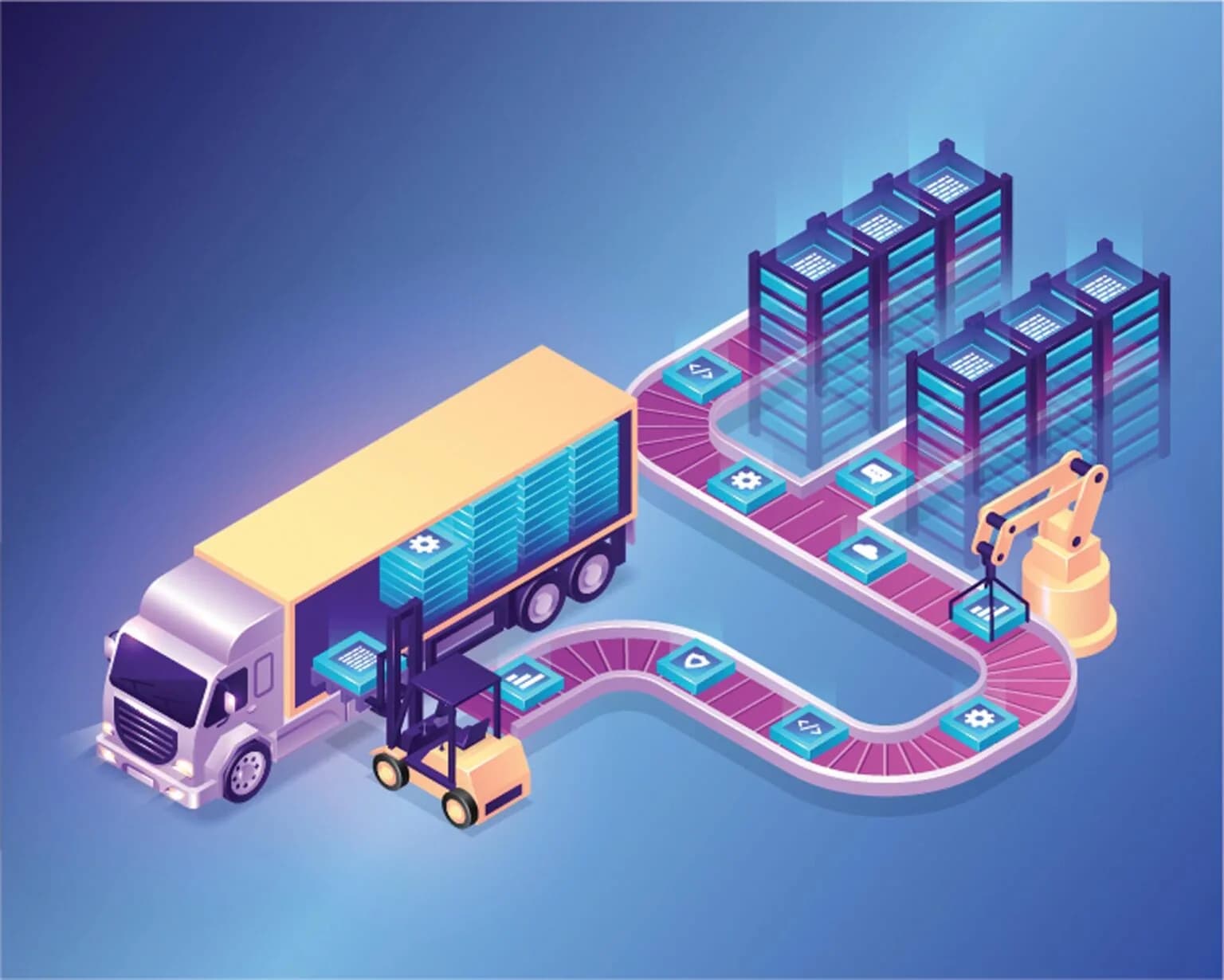
A trucking supply chain solution should support the complete workflow from customer request to delivery confirmation and financial processing.
Customer and Transport Job Management
The process begins with customer information and transport job creation. Transport Jobs typically contain route details, pickup and delivery locations, container information, scheduling requirements, and operational status.
Maintaining structured job records helps ensure that all departments work from the same information source.
Planning and Resource Allocation
Planning converts transport requirements into executable trips. Allocation assigns drivers, vehicles, and trailers to those trips based on availability and operational requirements.
This process helps dispatch teams organize workloads while ensuring resources are assigned appropriately.
Driver Execution and POD Collection
Drivers execute transport activities and provide operational updates throughout the trip. Mobile applications allow drivers to receive assignments, submit trip updates, report issues, and upload Proof of Delivery (POD).
POD serves as confirmation that delivery has been completed and supports subsequent billing activities.
Equipment Readiness Management
Transport execution depends on the availability of vehicles and trailers. Equipment management processes help organizations monitor maintenance activities, fault reports, and equipment status.
Connecting equipment information with dispatch planning reduces the risk of assigning unavailable assets to active jobs.
How Apollogix Supports Trucking Supply Chain Workflows
Apollogix TMS is designed to connect operational activities across transport planning, execution, equipment management, accounting, and reporting.
Managing Transport Jobs and Operations
Apollogix enables transport teams to create and manage Transport Jobs, organize operational activities, and coordinate planning and allocation processes from a centralized platform.
This helps reduce dependency on disconnected spreadsheets and manual communication.
Supporting Driver Activities Through Driver App
The Apollogix Driver App allows drivers to access schedules, update trip progress, submit reports, record failed trips, and upload POD documents.
These updates provide office teams with better visibility into field operations and delivery status.
Connecting Equipment and Maintenance Information
Apollogix supports vehicle, trailer, combination, maintenance, and fault management workflows. Equipment information can be reviewed alongside operational planning activities to support dispatch decisions.
Linking Operations with Accounting and Reporting
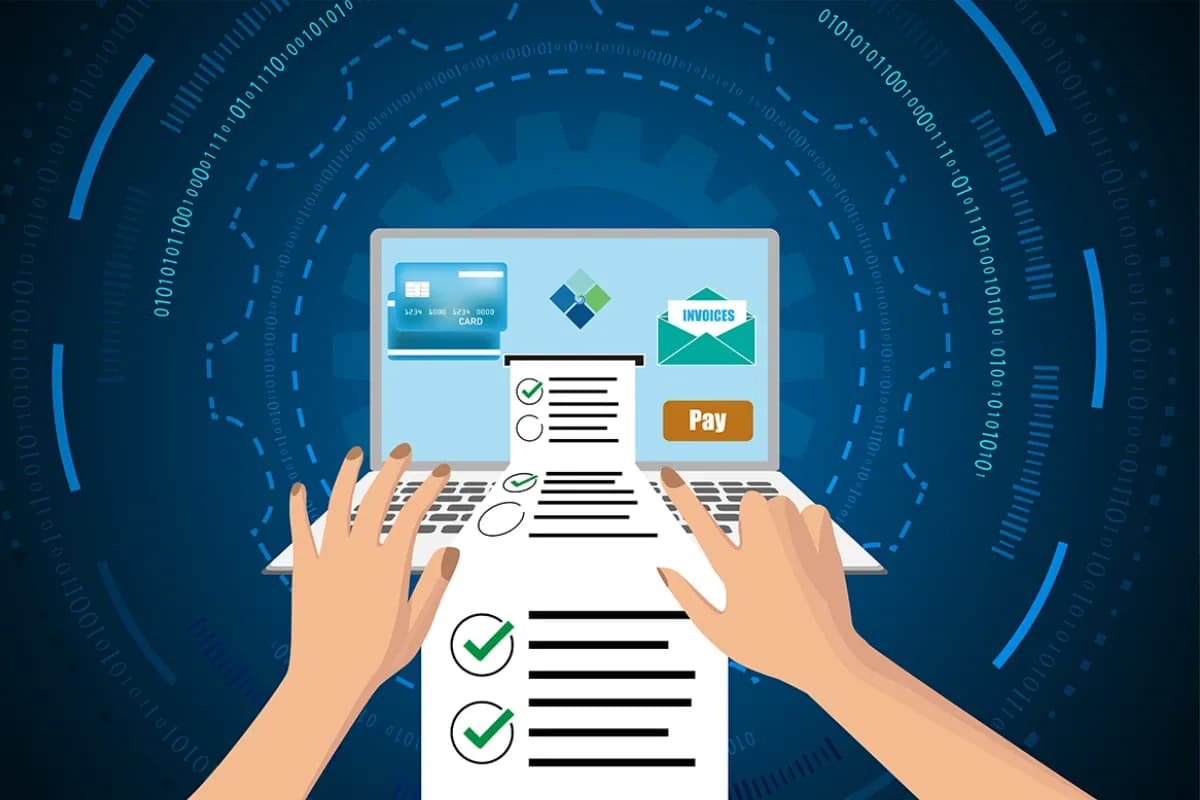
Operational records can be connected with invoices, receivables, payables, and reporting functions. This allows management teams to review transport performance alongside financial outcomes.
Business Benefits for Trucking Companies
Implementing a connected supply chain solution helps trucking companies improve operational control and information visibility.
Better Coordination Across Teams
Customer service, dispatch, drivers, workshop teams, and accounting departments can work from shared operational records rather than maintaining separate information sources.
Improved Visibility Into Transport Activities
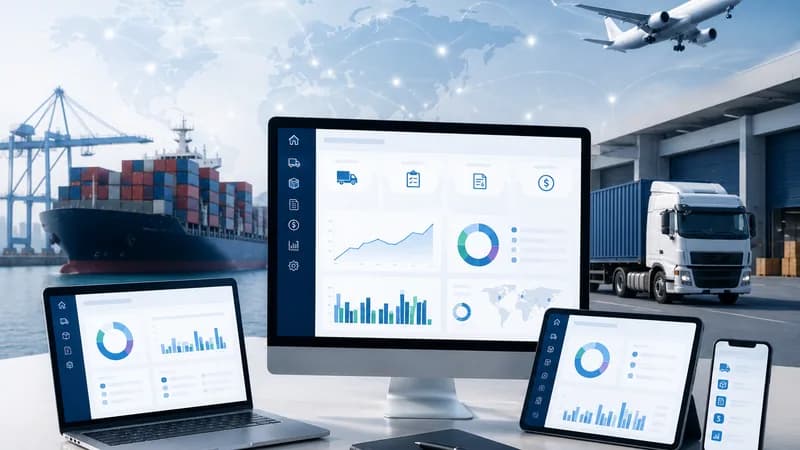
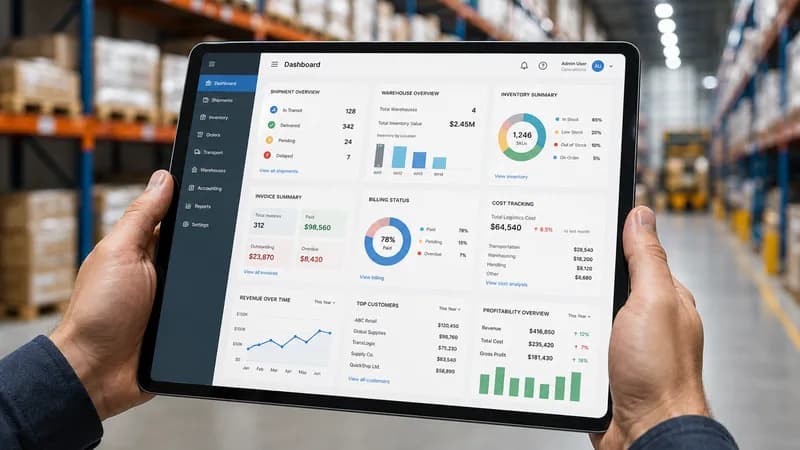
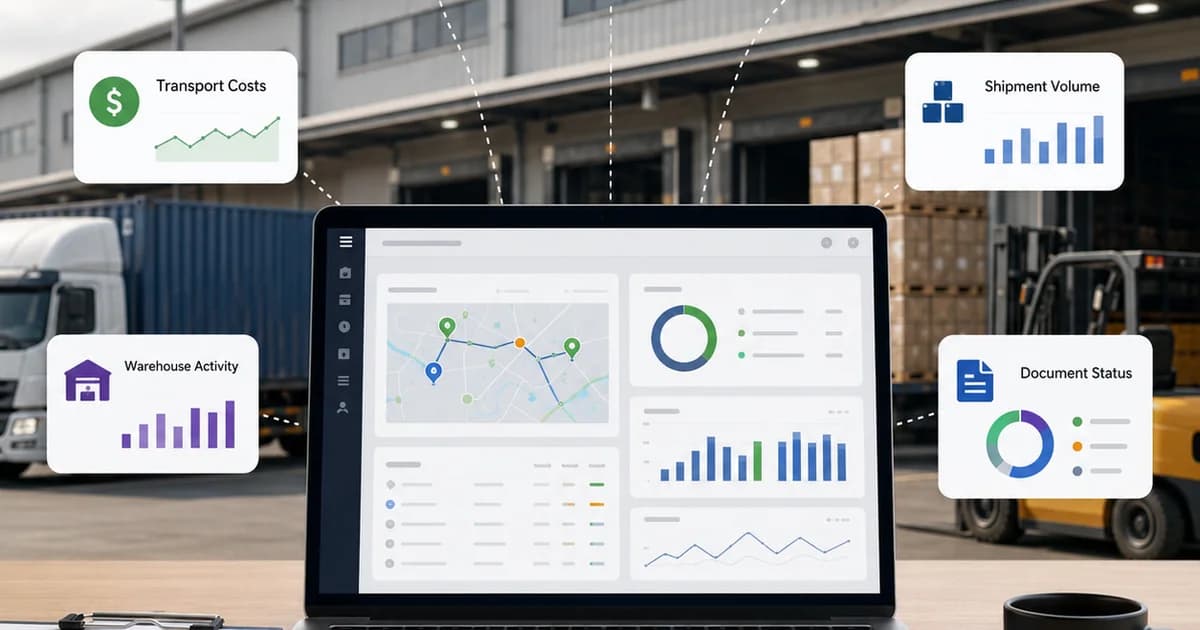
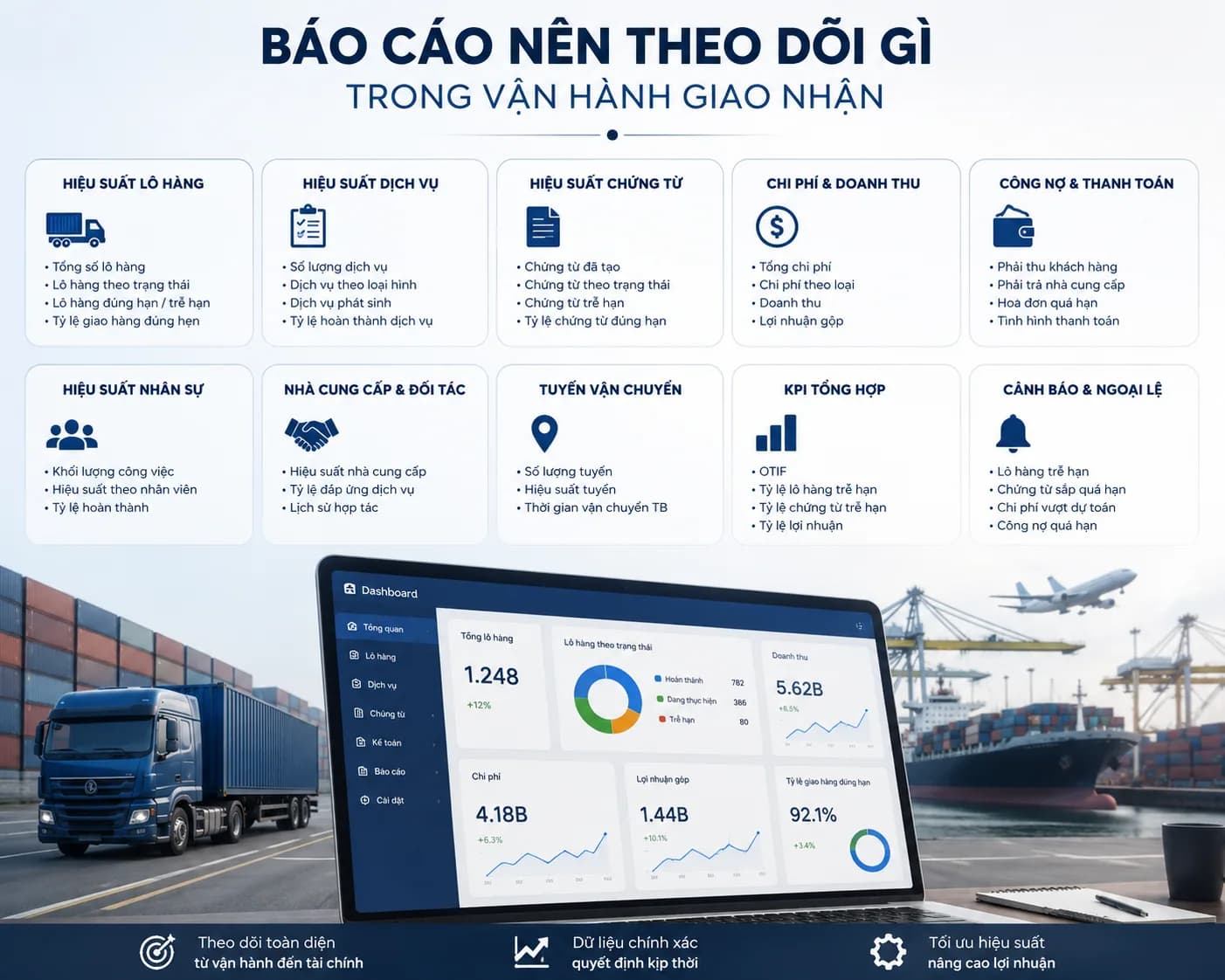
Management teams gain access to transport job status, trip progress, equipment readiness, and delivery confirmation information through centralized dashboards and reports.
Stronger Control Over Billing Processes
When POD and operational records are connected to accounting workflows, invoice preparation becomes easier and more traceable.
More Reliable Operational Reporting
Connected operational data supports reporting on customers, routes, drivers, equipment utilization, and transport performance.
Creating a Connected Transport Operation
A supply chain solution for trucking companies should support more than shipment movement. It should connect customer requests, transport jobs, planning, driver execution, equipment readiness, POD collection, accounting, and reporting within a single operational framework.
With Apollogix TMS, trucking companies can establish a structured workflow that improves visibility across transport operations while supporting daily execution and management oversight.