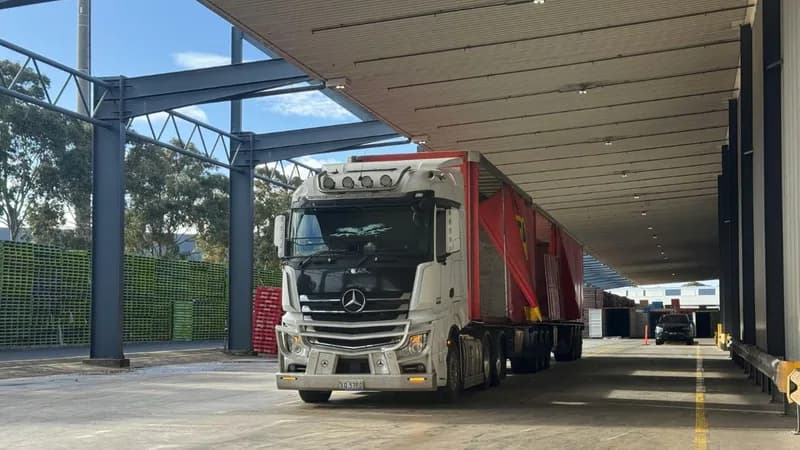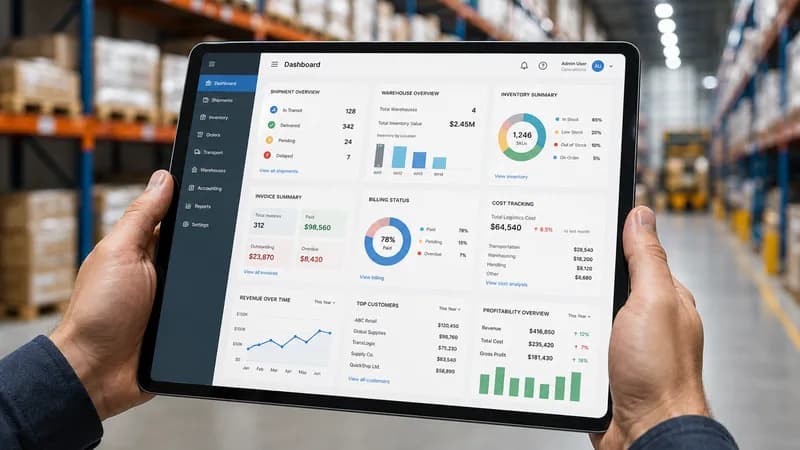
Logistics solution software for trucking companies helps transport teams manage customer requests, transport jobs, dispatch planning, driver updates, vehicle allocation, trailer readiness, delivery status, proof of delivery, costs, invoices, dashboard, and reports in one structured workflow. For a trucking company, logistics management is not only about moving vehicles. The business also needs to control job creation, daily dispatch, driver coordination, equipment readiness, waiting time, billing readiness, and management reporting. When these activities are managed through spreadsheets, calls, and chat messages, teams may complete trips but still lose visibility across the full operation.
What Is Logistics Solution Software for Trucking Companies?
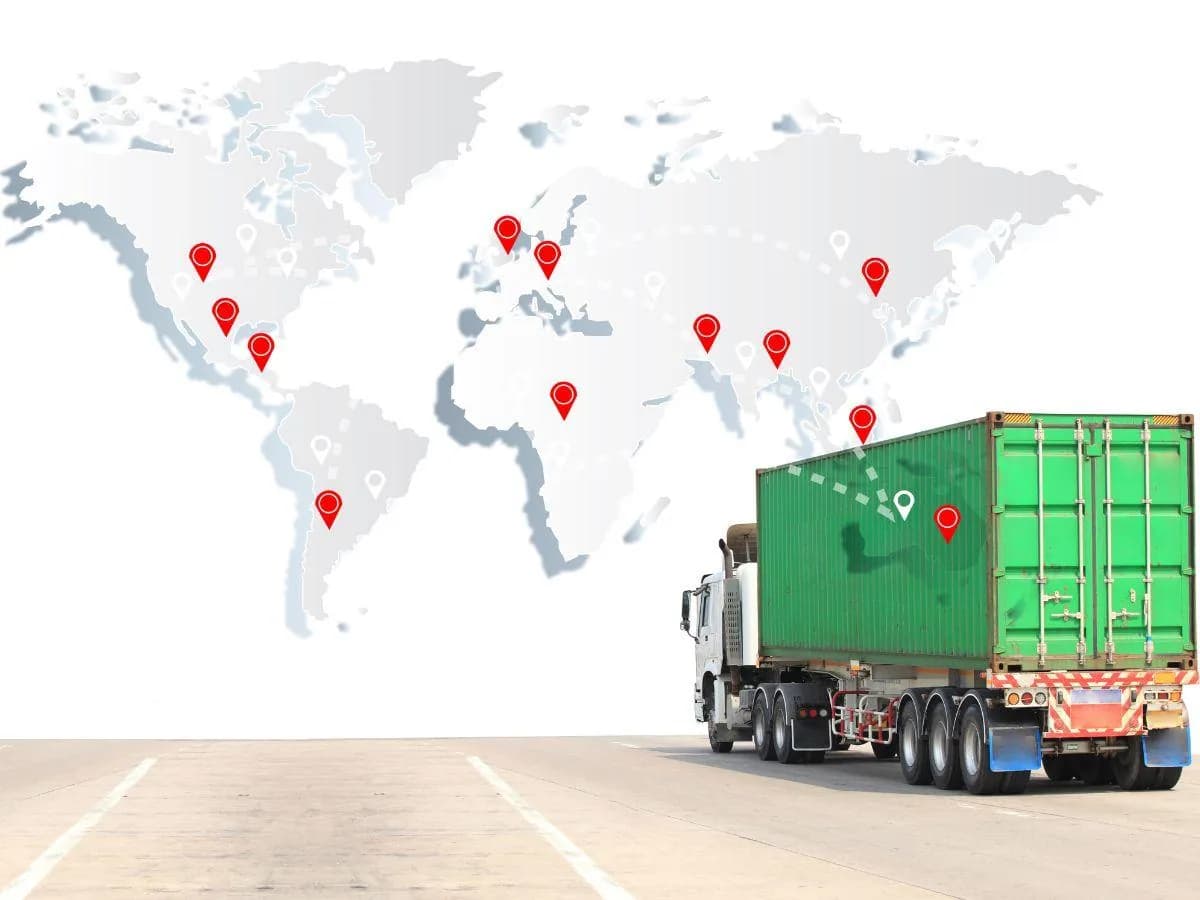
Logistics solution software for trucking companies is a transport management system that helps trucking businesses manage daily transport operations from customer request to job planning, dispatch, delivery confirmation, billing, and reporting.
Transport Job Control
A transport job is the central record for a trucking request. It should include customer information, job number, job status, job type, route details, pickup point, delivery point, container or cargo details, schedule, customer reference, and operational notes.
When transport job data is structured, operations teams can follow each request more clearly. Dispatchers can see what needs to be planned. Drivers can receive clearer work information. Finance can trace costs and invoices back to the correct job.
Dispatch and Daily Operation Planning
Dispatch planning connects the transport job with daily execution. The team needs to allocate trips, assign drivers, connect vehicles and trailers, follow delivery progress, manage waiting time, and record proof of delivery.
A logistics solution should help dispatchers work from an organized operation list instead of rebuilding daily plans from separate spreadsheets.
Why Do Trucking Companies Need Logistics Software?
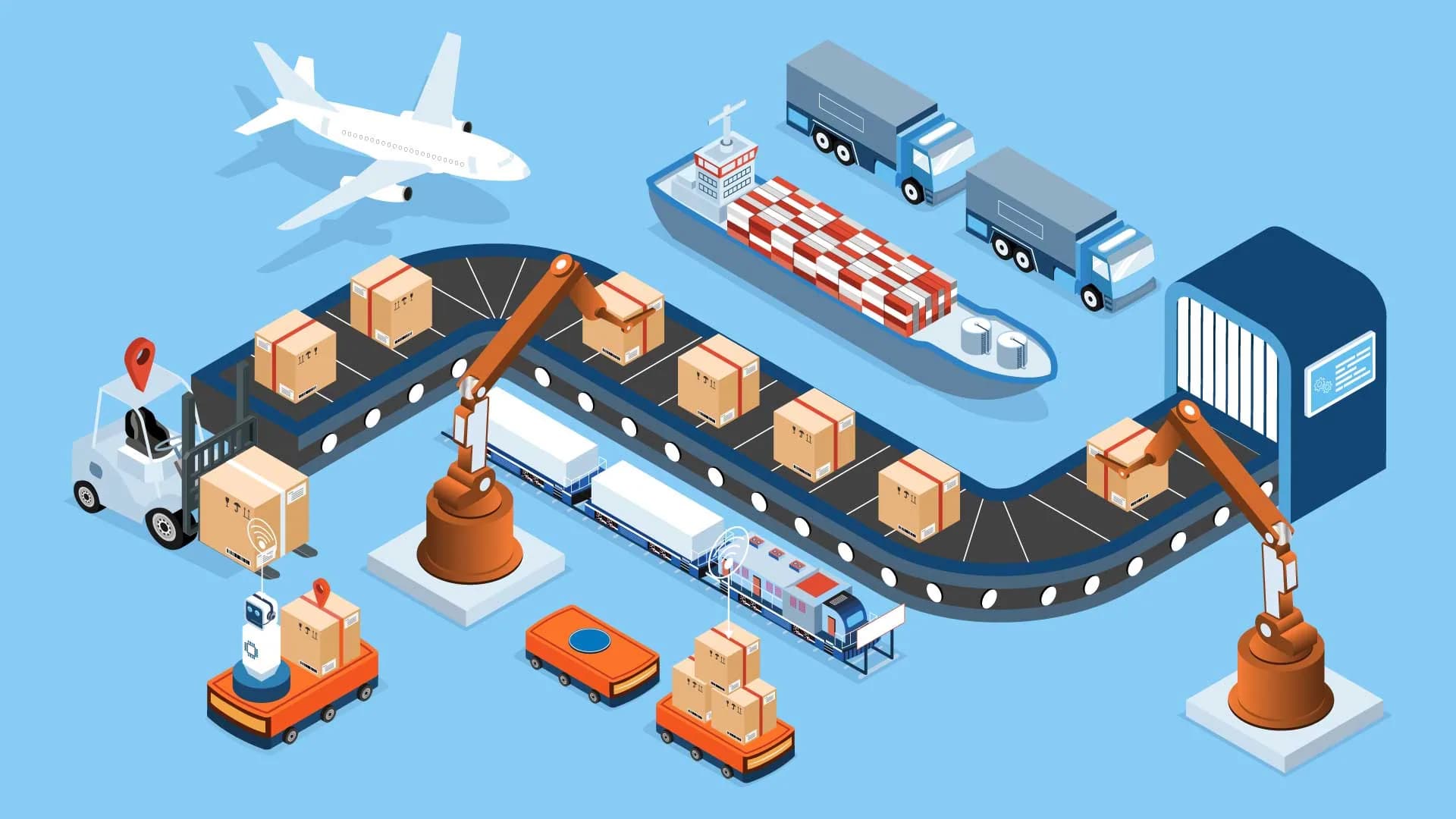
Trucking companies need logistics software because manual coordination creates scattered updates, delayed dispatch, unclear equipment readiness, billing gaps, and weak management visibility.
Manual Coordination Creates Operational Risk
Many trucking teams still manage work through spreadsheets, phone calls, and messages. This can work when the operation is small, but it becomes difficult when there are more customers, drivers, vehicles, trailers, and trips.
A customer may change pickup time. A container may become available later than expected. A driver may need reassignment. A trailer may be marked faulty. A completed delivery may still be missing proof of delivery. If these updates are not recorded in one workflow, the company may not see the true status of each job.
Equipment Readiness Affects Dispatch Accuracy
A dispatch plan is only reliable when the assigned vehicle and trailer are ready. If equipment status is unclear, dispatchers may assign work to an unavailable vehicle or a trailer that is under maintenance.
Logistics software helps transport teams connect dispatch planning with equipment records. This reduces last-minute changes and helps operations understand real fleet capacity before assigning trips.
Billing Depends on Complete Operational Data
A completed trip is not always ready for billing. Finance may still need proof of delivery, waiting time records, confirmed costs, extra charges, customer approval, or vendor cost information.
When job execution and accounting data are connected, finance teams can prepare invoices more efficiently and management can review job profitability with better context.
What Workflows Should the Software Include?

Logistics solution software for trucking companies should include customer management, transport job management, dispatch planning, driver updates, equipment management, proof of delivery, accounting, dashboard, and reporting.
Customer and Transport Job Management
Customer and transport job management help teams record the full transport request from the beginning. This may include customer name, route, pickup location, delivery location, container details, cargo details, job type, schedule, and service requirement.
Clean job data helps reduce repeated communication and gives each team a reliable starting point.
Operation and Dispatch Planning
Operation and dispatch planning should help teams manage daily job lists, trip allocation, driver assignment, vehicle assignment, trailer assignment, delivery status, failed trips, waiting time, and pending actions.
This workflow helps dispatchers understand which jobs are planned, which trips are active, and which files need follow-up.
Driver Updates and Proof of Delivery
Driver updates help office teams understand what is happening during transport execution. Drivers may update trip status, report delivery progress, submit proof of delivery, or report issues from the field.
Proof of delivery is important because it confirms delivery completion and supports customer updates, billing, and dispute handling.
Equipment Management
Equipment management should cover vehicles, trailers, equipment combinations, operating status, faulty reports, maintenance records, registration data, and readiness status.
This helps trucking companies understand which assets are available, unavailable, faulty, inactive, or under maintenance before dispatch planning.
Accounting and Reporting
Accounting should connect with transport jobs, trips, costs, extra charges, invoices, receivables, payables, and payment records.
Reporting should help management review job volume, container activity, trip progress, customer activity, route performance, driver workload, vehicle usage, waiting time, cost readiness, invoice status, revenue, cost, profit, and exceptions.
How Does Apollogix Support Trucking Operations?
Apollogix supports trucking operations through TMS workflows for client management, transport jobs, operations, driver updates, equipment management, accounting, dashboard, reporting, administration, and system settings.
Transport Job and Operation Workflow in Apollogix TMS
Apollogix TMS supports transport job management and operation planning. This helps teams create transport jobs, manage job status, organize daily operation lists, allocate trips, assign drivers, and connect work with vehicles and trailers.
This gives trucking teams a more structured way to manage transport execution from job creation to delivery follow-up.
Driver and Delivery Updates
Apollogix TMS supports driver-related updates, delivery progress, failed trip records, waiting time, and proof of delivery workflows.
These updates help operations teams reduce repeated calls and understand transport progress from recorded job and trip data.
Vehicle and Trailer Management
Apollogix TMS supports equipment management for vehicles, trailers, and equipment combinations. It also supports faulty report and maintenance-related workflows.
This helps dispatchers understand equipment readiness before assigning trips and helps management review fleet condition more clearly.
Accounting, Dashboard, and Reports
Apollogix TMS connects operational data with accounting, dashboard, and reporting workflows. This helps teams review costs, invoices, receivables, payables, job activity, trip performance, waiting time, proof of delivery, and operational exceptions.
This connection gives trucking companies better control over daily execution and financial follow-up.
What Should Leaders Check Before Choosing Logistics Software?
Leaders should check whether the software supports real trucking workflows, not only whether it stores basic delivery information.
Check Workflow Coverage
The system should cover customer data, transport jobs, dispatch planning, driver updates, vehicle and trailer records, proof of delivery, costs, invoices, dashboard, and reports.
If the team still needs to copy data into separate files, the workflow is not connected enough.
Check Dispatch Visibility
Leaders should check whether dispatchers can clearly see planned jobs, active trips, available drivers, available vehicles, trailer readiness, delivery progress, and pending actions.
Dispatch visibility is critical because transport operations change throughout the day.
Check Equipment Readiness
The system should show whether each vehicle and trailer is ready, unavailable, faulty, inactive, or under maintenance.
Without equipment readiness visibility, dispatch plans may look complete but fail during execution.
Check Financial Traceability
The system should allow finance teams to trace revenue, costs, invoices, receivables, payables, and extra charges back to the correct transport job or trip.
This helps reduce billing errors and improves profit review.
Check Reporting Quality
Reports should help management review job volume, trip status, customer activity, driver workload, equipment usage, waiting time, billing readiness, revenue, cost, profit, and exceptions without manual report rebuilding.
When Does a Trucking Company Need This Software?
A trucking company needs logistics solution software when job volume, dispatch complexity, driver coordination, equipment usage, billing workload, and reporting needs become difficult to manage manually.
Job Volume Is Increasing
When job volume increases, the team must manage more customers, routes, drivers, vehicles, trailers, delivery updates, proof of delivery, costs, and invoices. Manual tracking becomes less reliable.
Dispatch Changes Happen Often
If trips are frequently changed because of driver availability, vehicle readiness, trailer issues, customer requests, or delayed pickup times, the company needs better dispatch control.
Equipment Status Is Hard to Track
If operations cannot quickly see which vehicles and trailers are ready, faulty, inactive, or under maintenance, dispatch planning becomes risky.
Billing Is Delayed After Delivery
If completed trips cannot be invoiced because proof of delivery, costs, waiting time, or extra charges are missing, the company needs stronger connection between operations and accounting.
Management Reports Take Too Long
If management reports require manual consolidation from several spreadsheets or departments, the company needs a structured dashboard and reporting workflow.