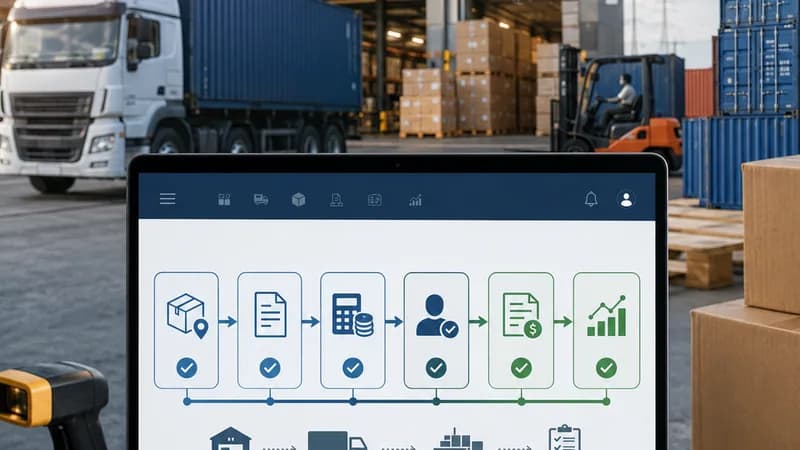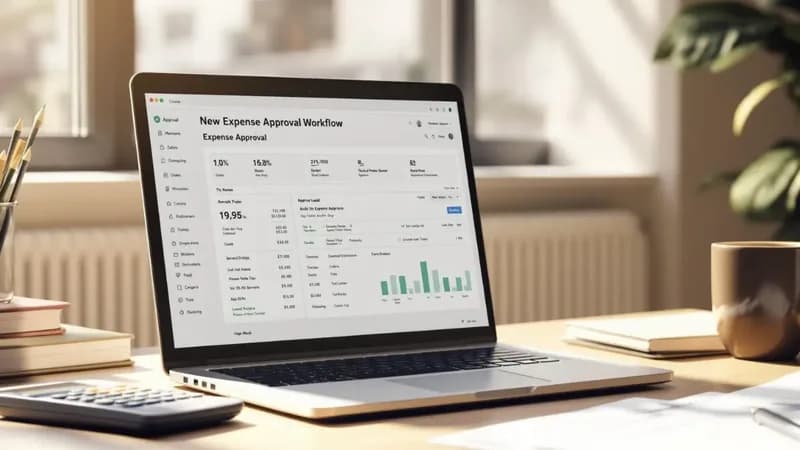
FCL customer quotation software helps businesses manage customer quotes for Full Container Load shipments in a structured workflow. FCL means Full Container Load. It refers to a shipment where one customer uses a full container, such as a 20-foot container, 40-foot container, or 40-foot high cube container. For freight forwarding and import-export teams, FCL quotations often include customer details, shipment type, container type, ocean freight, local charges, currency, payment term, validity, and approval status. When those details are handled across emails or spreadsheet-based operations, the risk is not only slow response. The bigger risk is quoting a price that does not match the cost, route, or service scope.
What Is FCL Customer Quotation Software?
FCL customer quotation software is a system that helps businesses create, manage, review, and track customer quotations for Full Container Load shipments.
A practical definition for freight teams
In daily freight operations, a customer quotation is not just a price document. It is the commercial starting point of the shipment. It records what the customer asks for, what route is being quoted, what container type is involved, what charges are included, what currency is used, and how long the offer remains valid.
For FCL shipments, this can involve ocean freight, origin local charges, destination local charges, documentation fees, customs-related services, trucking services, and other service charges. If each item is copied manually from old files, teams may send inconsistent quotes to different customers. They may also miss a charge, use an expired cost, or create a quotation that cannot be converted cleanly into a job.
FCL customer quotation software gives sales, pricing, operation, and accounting teams a shared record. The quotation can then become the foundation for Job Order, Booking, Shipment, Service, and Accounting data.

Why Businesses Need Better FCL Quotation Control
Businesses need better FCL quotation control because pricing errors can move from sales documents into shipment execution and financial reporting.
The issue starts before the shipment is created
Many quotation problems appear before a container is booked. A sales team may quote from an outdated rate. A pricing team may update a cost but not inform every person using the old file. A customer may request several route options, and the team may lose track of which version was approved. A quote may include freight but miss local charges. These small gaps can become margin leakage once the job moves forward.
For CFOs, the concern is not only whether the quote was sent quickly. The concern is whether the quoted selling price still protects the expected gross profit after carrier costs, local charges, service costs, and billing data are recorded. For COOs, the concern is whether the quotation has enough detail for the operations team to execute the shipment without asking the same questions again.
A controlled quotation workflow reduces repeated entry. It also helps the business understand which customer request, route, container type, and charge structure created the approved job.
How FCL Quotation Software Works in the Workflow
FCL quotation software works by connecting customer data, freight mode, shipment direction, container details, charge items, total amount, and job handover in one workflow.
From customer request to job order
The workflow usually starts with customer selection. The team chooses the customer from the Client database, so names, addresses, contact persons, and related parties can stay consistent across quotation, shipment, and accounting records. The user then selects the freight mode, such as Ocean, and defines whether the shipment is Import, Export, or Domestic.
Next, the quotation records commercial details. These may include Incoterm, payment term, container size, route, carrier information, freight charge, local charges, currency, and total amount. When the customer accepts the quote, the business can use that quotation as a structured source for Job Order or Booking creation.
This matters because a quotation should not be a separate document that disappears after approval. It should carry the agreed commercial logic into the next operational steps. A clear handover helps the operation team understand the customer requirement, while accounting can later compare revenue, cost, and invoice data against the original quotation.

What Data Should an FCL Quotation Include?
An FCL quotation should include customer information, shipment direction, container type, route, freight charges, local charges, currency, validity, and status.
The core fields that reduce rework
The first group of data is customer and shipment context. This includes customer name, consignee, notify party, contact person, loading port, discharge port, delivery mode, and import or export direction. These fields help the quotation connect to shipment and document workflows later.
The second group is pricing data. This includes ocean freight, local charges, service charges, currency, exchange rate logic, and total amount. When the system records these items clearly, the team can understand what is included and what is outside the quote. This reduces disputes when the shipment moves to billing.
The third group is workflow data. This includes quotation status, approval history, validity date, creator, reviewer, and handover status. These fields help managers see whether a quote is still draft, pending, approved, expired, or already converted into a job.
For businesses handling many FCL requests, this structure turns quotation work into a controlled process instead of a scattered document exchange.
Which Businesses Need FCL Quotation Software Most?
Businesses need FCL quotation software most when they manage many customer requests, container routes, carrier rates, local charges, and approval steps.
The need grows with quotation complexity
A company may need this system even if its team is not large. The real signal is not team size. The signal is how many quotation variables the business must control every day. Freight forwarders, import-export businesses, and logistics service providers often manage many combinations of customer, route, container type, carrier, charge item, and currency.
When these variables increase, manual tracking becomes harder to govern. Sales may need a fast answer. Pricing may need time to check buying rates. Operations may need complete shipment details. Accounting may need a reliable source for revenue and cost comparison. If each team works from a different version, the business loses control before the shipment starts.
FCL customer quotation software is useful when management wants quotation data to connect with Job Order, Booking, Shipment, Service, Accounting, and Report workflows. It helps each team work from the same commercial record.