What Do Trucking Companies Need to Control Daily?
Trucking companies need to control transport jobs, drivers, vehicles, trailers, trips, delivery status, proof of delivery, cost records, invoices, and reports every day.
A trucking operation can change quickly. A job may be confirmed in the morning. A driver may need to be assigned. A vehicle or trailer may need checking. A container may be delayed at pickup. A delivery may require proof of delivery before the job can be closed. Accounting may need cost confirmation before preparing an invoice.
When these activities are handled through calls, messages, and spreadsheets, the team can lose control of the full picture. Operations may know the trip status. Accounting may know the cost. Customer service may know the delivery issue. Management may only see the problem after it affects service or billing.
Simple definition
Logistics operations for trucking companies are the workflows that connect transport job planning, driver assignment, trip execution, POD, cost, invoice, and report data.

Why Trucking Operations Become Difficult to Manage
Trucking operations become difficult to manage when job status, driver availability, vehicle readiness, delivery updates, and cost records are not connected.
A transport job does not move through one department only. Sales or Customer Service may receive the customer request. Operations may create the job and plan the trip. Dispatch may assign the driver. The driver completes the delivery. Accounting checks the cost and invoice. Management reviews the job result.
If each team updates data in a different place, delays are harder to catch early. A driver may be assigned but the equipment status may not be updated. A trip may be completed but POD may still need review. Waiting time may create extra cost, but Accounting may not see the full context. A report may show job volume without explaining which jobs created operational pressure.
Better trucking control starts with making daily transport data easier to see and easier to hand over between teams.
The business risk
The main risk is not only delayed delivery. The bigger risk is losing control of transport status, cost impact, and billing accuracy before the job is closed.

How Apollogix Supports Trucking Company Workflows
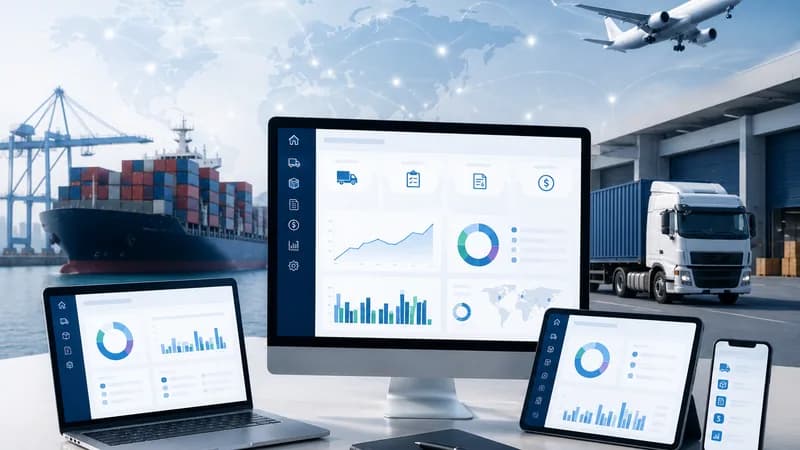
Apollogix supports trucking company workflows through TMS modules that connect transport jobs, operations, trips, drivers, equipment, accounting, dashboards, and reports.
Apollogix TMS helps transport teams manage transport job information, job status, customer reference, vessel and voyage information when needed, ports, ETD, ETA, available date, and job history. Operation workflows help teams plan daily schedules, allocate drivers, manage trips, and track actual progress against the plan.
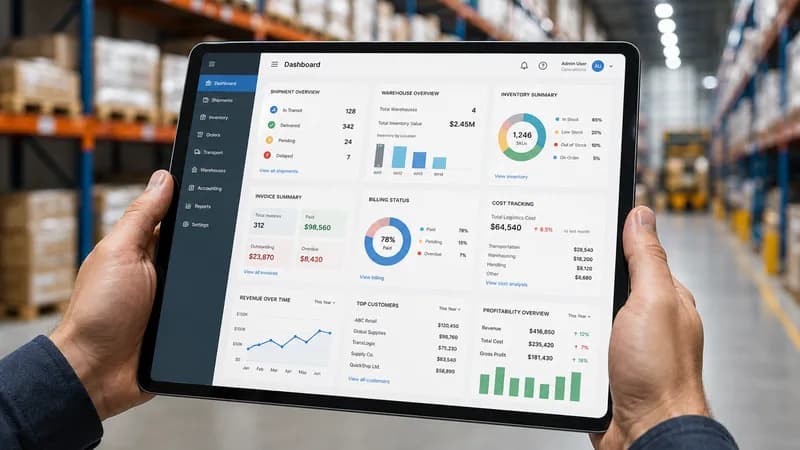
Dashboard views help management review jobs, containers, trips, drivers, and equipment by status. Related workflows can also support waiting time, trip summary, container demurrage summary, proof of delivery, and operational notifications.
Accounting and Report workflows help connect transport execution with cost review, billing preparation, and management reporting.
Where the value appears
The value appears when transport job, trip, driver, equipment, POD, waiting time, cost, invoice, and report data stay connected.

Which Trucking Companies Need This Workflow Most?
Trucking companies that manage many jobs, vehicles, trailers, drivers, containers, delivery commitments, customer updates, costs, invoices, and reports need this workflow most.
The need becomes clear when management cannot answer daily questions quickly. Which jobs are active? Which trips are delayed? Which drivers are assigned? Which vehicles or trailers are unavailable? Which deliveries are waiting for POD review? Which jobs have waiting time? Which invoices need job cost confirmation?
Container trucking companies need connected workflows when port activity, container status, waiting time, demurrage risk, and driver allocation affect job performance. General freight companies need it when delivery updates and customer commitments change throughout the day. 3PL transport teams need it when transport execution, service updates, and billing move across several departments.
For COO teams, this workflow reduces blind spots in daily execution. For CFO teams, it connects transport activity with cost, revenue, receivables, payables, and job profit.