Why Logistics Trends Matter More Than Ever
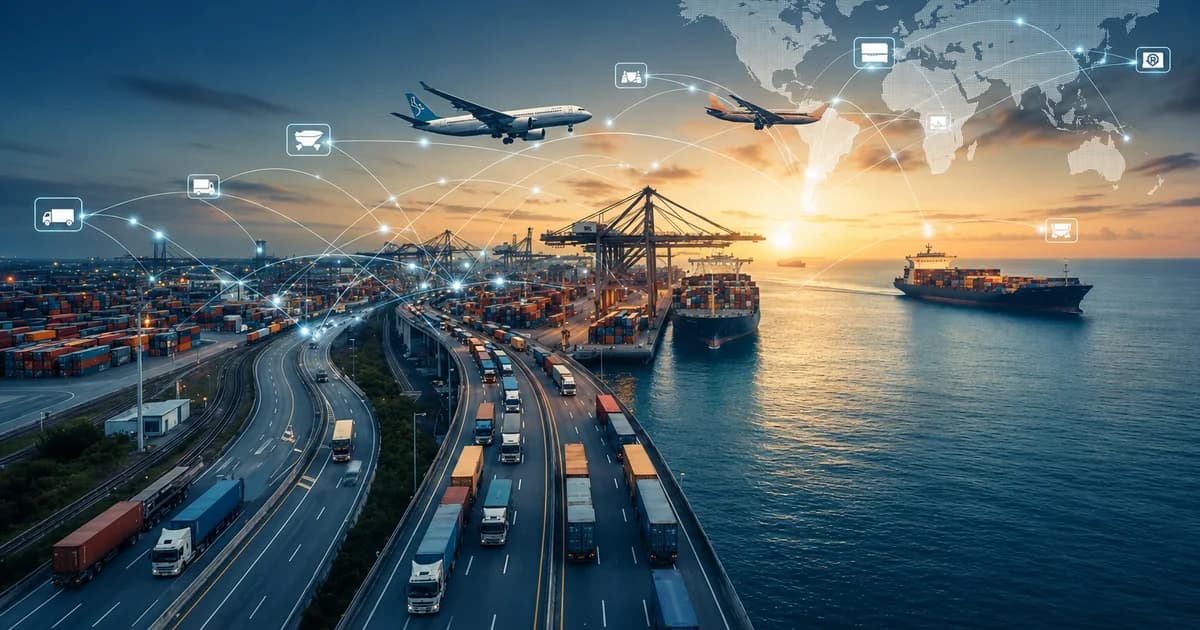
The growth of e-commerce, international trade, and customer demand for faster deliveries has transformed logistics operations. Traditional manual processes are no longer sufficient to manage increasingly complex transportation networks.
Organizations that embrace modern logistics practices can improve operational efficiency, strengthen customer service, and respond more effectively to market changes.
Common Challenges Facing Logistics Companies
Many logistics providers continue to experience:
- Limited visibility across transport operations
- Rising fuel and operational expenses
- Inefficient route planning
- Manual documentation and reporting
- Difficulty managing growing fleet operations
- Limited access to real-time operational data
These challenges make it difficult to maintain consistent service quality while controlling costs.

Key Trends Driving the Logistics Industry
Several technology and operational trends are reshaping modern logistics.
Data-Driven Operations
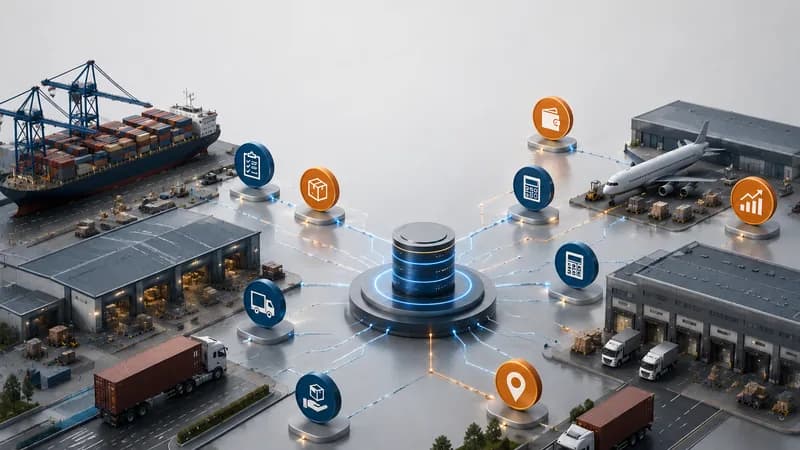
Real-time operational data enables logistics companies to monitor deliveries, vehicle performance, and business KPIs from a centralized platform. Better visibility supports faster decision-making and continuous operational improvement.
Intelligent Transport Planning
Advanced transport planning solutions help businesses allocate vehicles efficiently, reduce empty trips, and improve delivery performance through optimized scheduling.
Fleet Performance Management
Modern fleet management focuses on preventive maintenance, driver performance, fuel monitoring, and vehicle utilization. These capabilities improve asset reliability while reducing maintenance costs and unexpected downtime.
Digital Documentation
Replacing paper-based workflows with electronic documentation reduces administrative effort, improves document accuracy, and accelerates communication between logistics teams and customers.
Supporting Logistics Growth with Integrated Technology
As logistics operations become more complex, disconnected software creates information gaps and slows decision-making. Integrated management platforms allow transport planning, fleet operations, and operational reporting to work together within a single environment.
How Apollogix Supports Modern Logistics Operations
Apollogix provides integrated Transportation Management System (TMS) and Fleet Management System (FMS) solutions that help logistics companies improve operational visibility and standardize daily workflows.
Key capabilities include:
- Transport planning and dispatch management
- Fleet maintenance and vehicle lifecycle management
- Driver management
- Electronic document management
- Operational dashboards and reporting
- Real-time shipment visibility
- Performance analytics for continuous improvement
By connecting operational data across departments, logistics businesses can improve efficiency while supporting long-term business growth.
Conclusion
The future of logistics belongs to businesses that combine operational excellence with data-driven decision-making. Organizations that invest in integrated transport and fleet management solutions are better positioned to improve efficiency, reduce operating costs, and deliver consistent customer experiences in an increasingly competitive market.
Businesses that continuously adapt to industry trends will be better prepared to respond to future supply chain challenges and growth opportunities.