What Does Logistics Dispatch Control Mean?
Logistics Dispatch Control means managing the daily movement of transport jobs, drivers, vehicles, trips, delivery tasks, and operational updates.
In many logistics companies, the dispatch or garage team is where daily transport activity becomes real. A confirmed customer request may become a transport job. A driver may need to be assigned. A vehicle or trailer may need to be checked. A trip may need to be tracked. A proof of delivery may need review before the job can be closed.
This workflow is important because logistics operations do not only happen on paper. They happen through many small updates across Operations, Dispatch, Drivers, Customer Service, Accounting, and Management.
When these updates are scattered, the business may still complete deliveries but lose control of timing, cost, and reporting.
Simple definition
Logistics Dispatch Control helps teams coordinate transport jobs, drivers, vehicles, trips, delivery updates, POD, cost, and reports in one workflow.
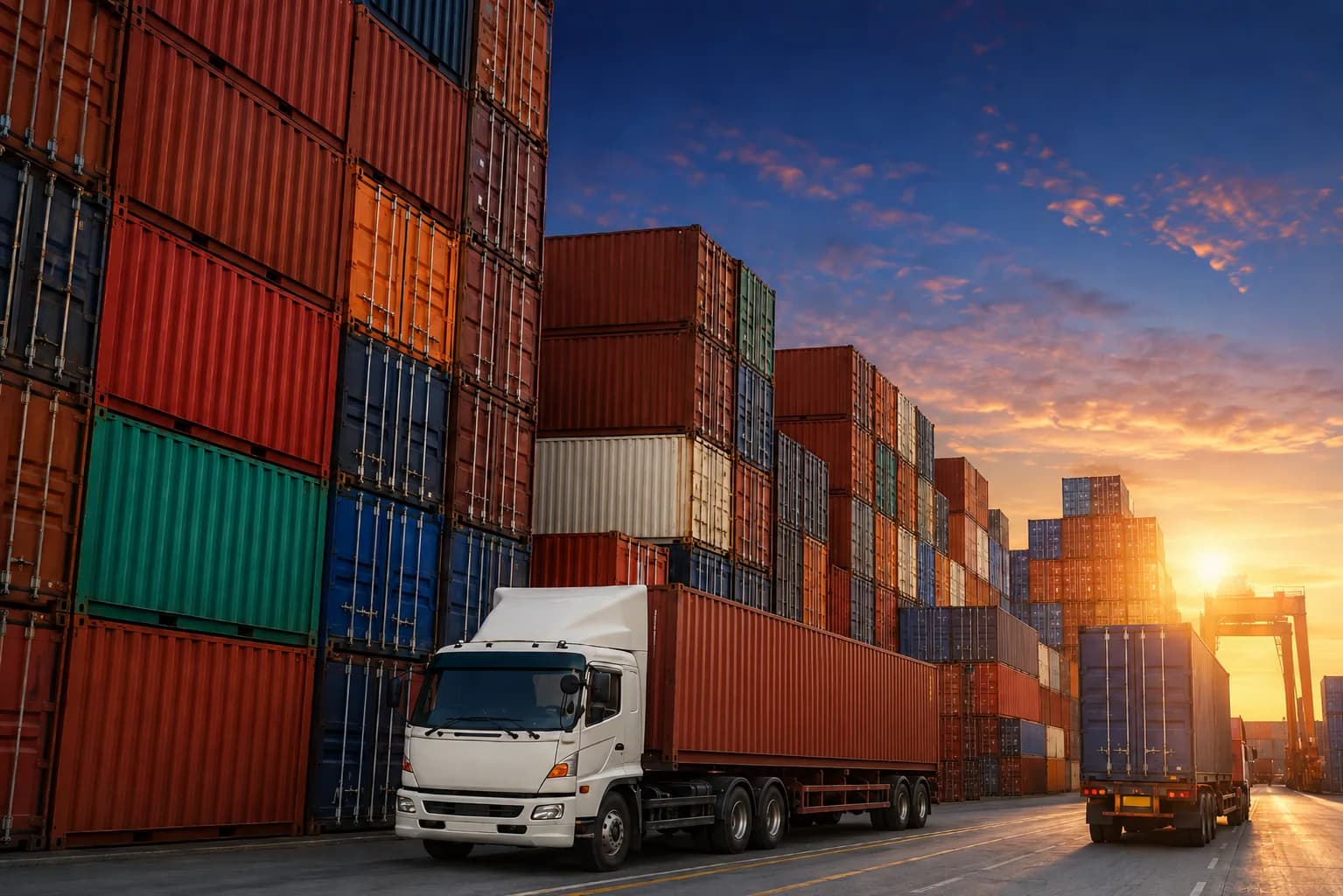
Why Dispatch Control Matters in Logistics
Dispatch control matters because transport operations can change many times during the day.
A driver may become unavailable. A vehicle may need maintenance. A pickup may be delayed. A container may create waiting time. A delivery may be completed but POD may still need checking. A customer may ask for an update before the trip is closed. A cost may appear after the job has already started.
If the dispatch team works only with calls, messages, and spreadsheets, the company may react late. Operations may know the trip status, but Accounting may not know the cost impact. Customer Service may not know which update to send. Management may not see which jobs are at risk until delivery or billing is affected.
Better dispatch control helps the team see what is happening earlier and hand over information more clearly.
The business risk
The main risk is not only late delivery. The bigger risk is losing control of driver assignment, vehicle status, POD, cost, and customer updates before the job is completed.

How Apollogix Supports Dispatch and Logistics Workflows
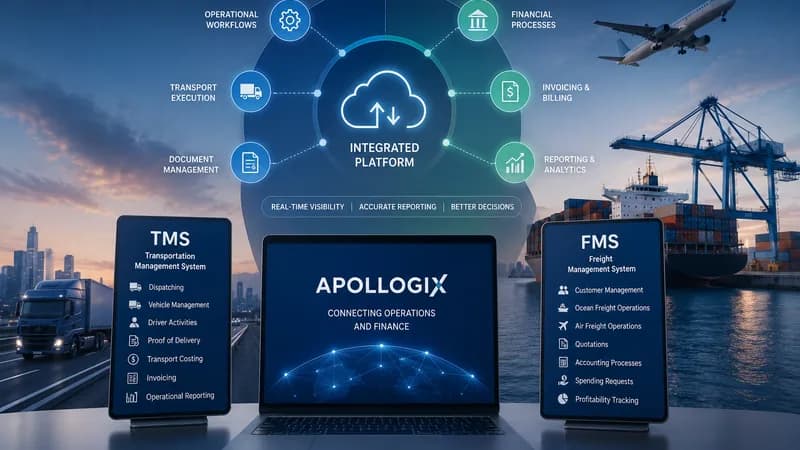
Apollogix supports dispatch and logistics workflows by connecting TMS and FMS data across transport jobs, trips, drivers, equipment, shipments, services, accounting, dashboards, and reports.
In Apollogix TMS, Transport Job helps teams manage job information, job status, job type, customer reference, vessel and voyage information when needed, ports, ETD, ETA, available date, and job history. Operation workflows help teams plan schedules, allocate drivers, manage trips, and track progress.
Dashboard views help management review jobs, containers, trips, drivers, and equipment by status. Related workflows can also support waiting time, trip summary, proof of delivery, container demurrage summary, operational notifications, accounting, and reports.
For businesses that also manage freight forwarding activity, Apollogix FMS can connect shipment, job order, service, accounting, invoice, spend request, dashboard, and report data.
Where the value appears
The value appears when transport job, driver, vehicle, trip, shipment, service, POD, cost, invoice, and report data stay connected.
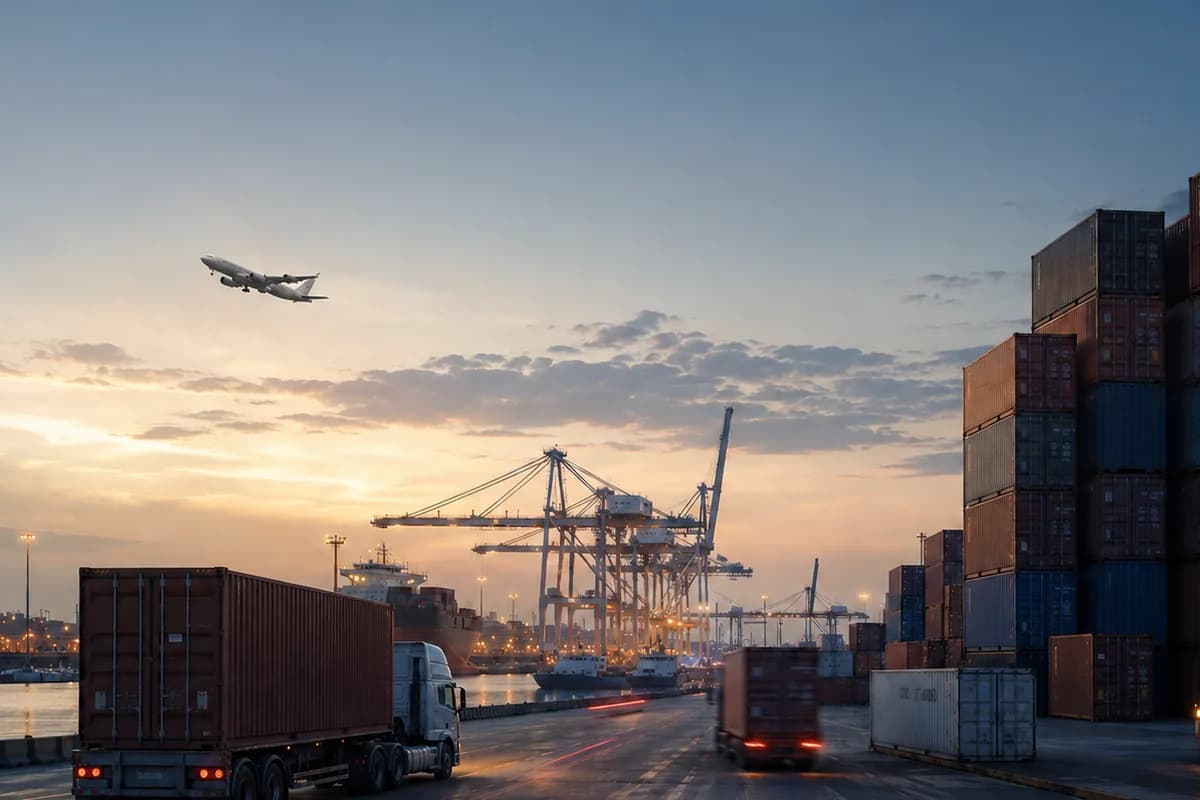
Which Logistics Teams Need Dispatch Control Most?
Logistics teams that manage many transport jobs, drivers, vehicles, containers, delivery commitments, customer updates, costs, invoices, and reports need dispatch control most.
The need becomes clear when management cannot answer daily operating questions quickly. Which jobs are active? Which drivers are assigned? Which vehicles are unavailable? Which trips are delayed? Which deliveries need POD review? Which jobs have waiting time? Which costs still need confirmation? Which reports show workload pressure?
Transport companies need dispatch control when driver allocation, vehicle readiness, trip progress, waiting time, delivery updates, and billing must stay connected. Freight forwarders need it when shipment, transport, service, cost, and invoice data must be reviewed together. 3PL providers need it when delivery execution and billing events move across several teams.
For COO teams, dispatch control reduces blind spots in daily execution. For CFO teams, it connects transport activity with cost, revenue, receivables, payables, and job profit.