Modern logistics operations depend heavily on the availability and reliability of transport equipment. Trucks, prime movers, trailers, and other fleet assets must remain operational to support daily transport activities. When maintenance information is disconnected from operational planning, logistics companies often face unexpected breakdowns, delayed deliveries, and reduced fleet utilization.
Garage management for logistics refers to the process of managing vehicle maintenance, repair activities, equipment readiness, and workshop operations within a transport organization. Rather than relying on spreadsheets, phone calls, or manual records, companies can centralize maintenance-related information and connect it directly with transport planning activities.
A structured garage management process allows logistics businesses to improve visibility across departments, reduce equipment downtime, and ensure operational teams always know which assets are available for assignment.
Why Garage Management Matters in Logistics
Fleet availability directly impacts transport capacity. Every vehicle undergoing maintenance or waiting for repair reduces the number of jobs that can be assigned. Without clear visibility into equipment status, dispatchers may accidentally allocate jobs to unavailable vehicles, resulting in operational disruptions and customer dissatisfaction.
Garage management provides a centralized view of all transport assets, allowing teams to monitor maintenance schedules, repair progress, faulty reports, and equipment readiness in real time. This visibility helps operations teams make informed decisions while reducing communication gaps between workshop personnel and transport planners.
As logistics companies expand their fleets, the complexity of maintenance management also increases. Tracking repair histories, monitoring recurring faults, and planning preventive maintenance become essential for maintaining service quality and controlling operational costs.

Core Components of a Logistics Garage Management System
An effective garage management solution should support the complete lifecycle of transport equipment.
Vehicle and trailer records provide a centralized repository for asset information, including registration details, equipment status, maintenance history, and operational availability. Having this information readily accessible helps planners allocate suitable equipment for each transport task.
Faulty report management enables drivers and operations teams to record equipment issues immediately when they occur. By documenting faults in a structured system, maintenance teams can prioritize repairs and ensure that equipment is not assigned to new jobs before issues are resolved.
Maintenance planning plays a critical role in preventing unexpected breakdowns. Scheduled servicing, inspections, and preventive maintenance activities help organizations reduce costly repairs while extending asset lifespan. With proper planning, companies can balance maintenance requirements with operational demand.
Reporting and dashboard visibility allow managers to monitor fleet health, workshop performance, maintenance costs, and equipment utilization. These insights support better decision-making and help identify recurring issues before they become significant operational risks.
How Apollogix Supports Garage Management
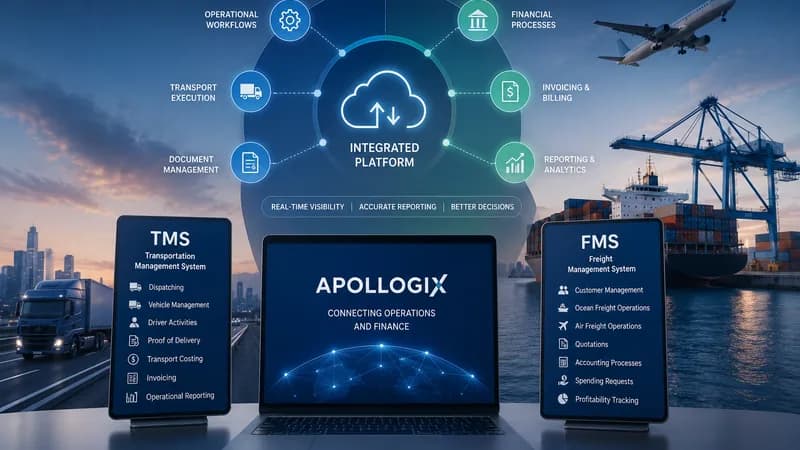
Apollogix Transportation Management System (TMS) includes capabilities that help logistics companies manage equipment readiness and maintenance activities within a unified operational environment.
Through Equipment Management, organizations can maintain detailed records for vehicles, trailers, and equipment combinations. Operations teams gain real-time visibility into asset availability, helping them assign transport jobs more effectively.
The Faulty Report module allows users to capture and track equipment issues throughout the repair process. Maintenance teams can monitor progress while operational teams remain informed about equipment status.
Maintenance workflows help organizations schedule servicing activities, manage repair history, and maintain accurate maintenance records. By integrating maintenance information with transport operations, businesses can reduce scheduling conflicts and improve resource planning.
Dashboards and reporting tools provide management teams with actionable insights into fleet performance, equipment utilization, maintenance activities, and operational readiness. This enables proactive decision-making and stronger control over transport operations.

Building a More Reliable Logistics Fleet
Garage management is more than a maintenance function. It is a critical operational process that directly affects transport capacity, service reliability, and customer satisfaction.
As logistics businesses continue to grow and digitize their operations, connecting maintenance management with transport planning becomes increasingly important. Companies that achieve greater visibility into equipment readiness can reduce downtime, improve asset utilization, and respond more effectively to operational challenges.
By implementing a structured garage management approach and leveraging integrated platforms such as Apollogix TMS, logistics organizations can create a more reliable, efficient, and scalable transport operation.